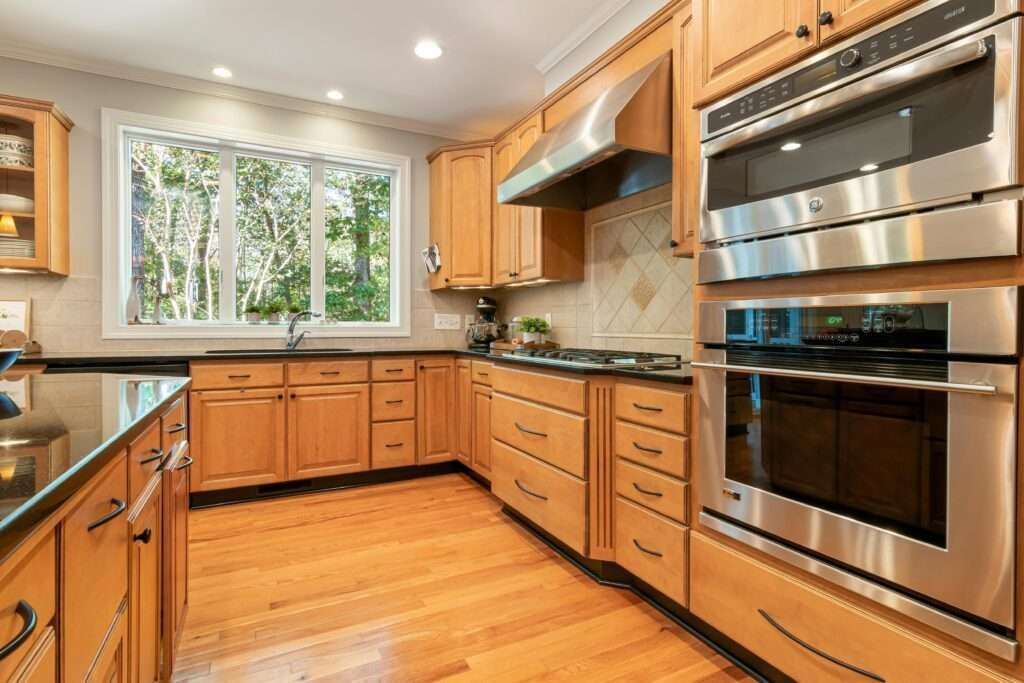
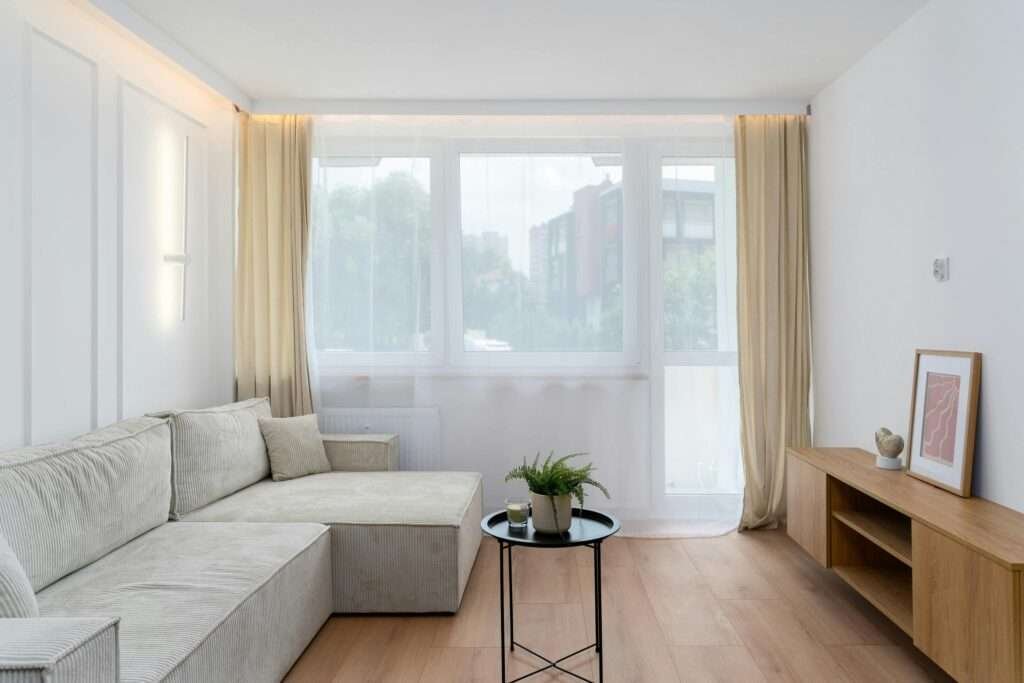
A garage conversion costs between £7,000 and £32,000 in the UK, depending on the type, size, and finish. For a standard single integral or attached garage (around 16 to 18m²), most homeowners spend between £10,000 and £20,000. The average cost, based on real quotes from UK tradespeople, is around £14,500. Most conversions take 2 to 4 weeks to complete and do not require planning permission under permitted development rights, though building regulations always apply.
Get Free Garage Conversion Quotes Today
Garage Type Typical Cost Range
Integral single garage £8,000 to £15,000
Attached single garage £10,000 to £18,000
Detached single garage £12,000 to £25,000
Double garage (any type) £15,000 to £55,000
Cost per m² £1,000 to £1,600
Ready to find out what your garage conversion will cost?
Get free quotes from trusted local garage conversion specialists today.

Garage Conversion Costs UK by Type
Integral Garage Conversion Cost UK
An integral garage sits inside your home’s footprint and shares at least two internal walls with the main house. This makes it the most affordable option, since shared walls require less insulation, and electrics are easier to extend. Expect to pay between £8,000 and £15,000 for a standard finish.
Attached Garage Conversion Cost UK
Attached garages share one wall with the property and are the most common type across the UK. Pipework and electrics can usually run directly from the main home, keeping costs manageable. Budget between £10,000 and £20,000, not including any load-bearing wall removal if you want to open the space up.
Detached Garage Conversion Cost UK
A detached garage is the most complex and expensive to convert. Electricity, water, and heating all need to be run from the main house across the gap, and the roof and foundations may need to be upgraded to meet habitable room standards. Budget £12,000 to £25,000 or more, especially if plumbing is involved.
Double Garage Conversion Cost UK
A double garage gives you far more space to work with, but more square footage means more materials, more labor, and often more structural work. According to the Federation of Master Builders, double garage conversions range from £15,000 to £55,000, with a mid-range project averaging £25,000 to £35,000.
Cost per m² and by Room Type
| Project Size | Area | Cost Range | Cost per m² |
| Small single | 12 to 15 m² | £8,000 to £13,000 | £800 to £1,100 |
| Standard single | 16 to 20 m² | £10,000 to £20,000 | £1,000 to £1,300 |
| Standard double | 30 to 36 m² | £20,000 to £40,000 | £1,200 to £1,600 |
What you convert your garage into also significantly shapes the budget. A bedroom or home office is the most cost-effective option since neither requires plumbing. A bathroom, kitchen, or granny annex adds considerably more because of drainage, pipework, and ventilation requirements.
| Room Type | Typical Cost |
| Bedroom | £10,000 to £18,000 |
| Home office or gym | £5,000 to £12,000 |
| Utility room | £6,000 to £9,500 |
| Adding a bathroom | Add £3,000 to £6,000 |
| Adding a kitchen | Add £3,000 to £8,000 |
| Granny flat or annex | £20,000 to £35,000+ |
Not Sure Which Garage Conversion Type Suits Your Home?
Get free quotes from vetted local builders and compare costs side-by-side. Make the right decision for your home and budget.
Estimate Your Garage Conversion Cost TodayWhat Affects the Garage Conversion Price?

Several variables can significantly increase or decrease your garage renovation cost.
Structure and size: Larger garages cost more to insulate, plasterboard, and finish. Load-bearing wall removal to open the space into the main house adds £1,500-£4,000 for a steel beam and structural engineer’s fees. Roof and foundation upgrades, if needed, can add a further £3,000 to £10,000.
Utilities: Plumbing is the biggest cost driver. Running pipework from the main house costs £1,500- £5,000, depending on the distance and complexity. Extending central heating costs £800 to £2,000. A basic electrical fit-out runs £1,500 to £3,000.
Professional fees: An architect charges 5% to 12% of the build cost, or a flat fee of £500 to £2,000 for drawings on a simpler project. A structural engineer’s report costs £500 to £1,500. Building regulations approval costs £200-£800, depending on your local authority.
Hidden costs: Asbestos removal in pre-1985 garages costs £500-£3,000 and is a legal requirement. A party wall agreement with an affected neighbor costs £700 to £1,500 per property. Always add a 10% to 15% contingency to your budget for surprises that only emerge once work begins.

Shell vs Full Garage Conversion and Labour Costs
A shell conversion makes the space structurally sound and weather-tight, but leaves the cosmetic finishing to you. This covers blocking up the garage door, insulating walls, floor and ceiling, and adding a damp-proof membrane. Cost: £5,000 to £10,000 for a single garage.
A full conversion takes the project all the way through to plastered walls, fitted flooring, skirting, lighting, and sockets. This is the £10,000-£25,000 range for a single garage.
| Project Type | Duration | Labour Cost |
| Single attached or integral | 2 to 4 weeks | £4,000 to £8,000 |
| Single detached | 3 to 6 weeks | £6,000 to £11,000 |
| Double garage | 4 to 8 weeks | £10,000 to £20,000 |
| Any type with bathroom or kitchen | Add 1 to 2 weeks | Add £3,000 to £6,000 |
Labour rates in London and the South East run 20% to 30% above the national average. In the North of England, Scotland, and Wales, comparable quality is often available at a lower price.
Planning Permission and Building Regulations
Permitted Development Rights
Most UK garage conversions do not need full planning permission. Research from Resi estimates that only around 10% of conversions require a formal planning application. To qualify for permitted development, the work must be internal, not enlarge the building’s footprint, and the property must not be listed or in a conservation area.
If you are creating a self-contained annex with its own entrance and bathroom, you are more likely to need full planning permission. Even when permitted development applies, apply for a Lawful Development Certificate from your local planning authority. It costs £100 to £200 and protects you legally when you sell. You can also check the rules at the official Planning Portal.
Building Regulations Compliance
Building regulations approval is always required, even when planning permission is not. This is the step most homeowners underestimate. Your conversion must meet standards covering structural stability, insulation and energy efficiency, fire safety (including a linked smoke alarm), ventilation, escape windows in bedrooms, and a continuous damp-proof membrane in the floor.
You can apply via a building notice or a full plans application. Your local authority will inspect the work at set stages and issue a completion certificate at the end. You need that certificate when you sell.
Budgeting Tips and ROI
Save money by choosing a room that needs no plumbing. Getting at least three written quotes. Supplying your own tiles, flooring, and paint once the contractor has confirmed the specification. Booking work in January to March when tradespeople tend to be quieter and more competitive on price.
Return on investment: A well-executed garage conversion typically adds 5% to 15% to a UK home’s value, on a £300,000 property, that is a potential uplift of £15,000 to £45,000, which in many cases exceeds the cost of the conversion itself. A garage to bedroom conversion offers among the strongest ROI of any home improvement project.
One important caveat: in areas with scarce off-street parking, losing a garage space can reduce buyer appeal. Research your local market before committing.
Garage Conversion Checklist Before You Start
Use this before you hire anyone or spend anything:
- Suitability check: Inspect foundations, walls, and the roof for signs of damp, cracking, or structural weakness.
- Confirm permissions: Check whether permitted development applies and obtain a Lawful Development Certificate.
- Submit building regulations: Apply via a building notice or full plans application before work begins.
- Get three quotes: Do not accept the first price you receive.
- Check for asbestos: Essential for any garage built before 1985.
- Hire qualified tradespeople: Look for Federation of Master Builders members. Verify insurance and reviews.
- Serve party wall notice: Required if a shared wall is affected.
- Notify your insurer: Failing to do so before work starts can invalidate your home insurance policy.
- Set a contingency: add 10% to 15% to your total quoted budget.
Conclusion
A garage conversion is one of the most practical ways to add space and value to your home without the cost and complexity of a full extension. Whether you are creating a bedroom, home office, or granny annex, understanding the real costs upfront puts you in control.
The cost of a garage conversion in the UK ranges from £8,000 for a basic integral room to £55,000 for a fully finished double garage. Get at least three quotes, secure building regulations approval, and set a contingency. That is all it takes to get started with confidence.
Not Sure Which Garage Conversion Type Suits Your Home?
Get free quotes from vetted local builders and compare costs side-by-side. Make the right decision for your home and budget.
Estimate Your Garage Conversion Cost TodayFAQs
How much should a garage conversion cost in the UK in 2026?
For a standard single garage of around 15 to 18 m², expect to pay between £8,000 and £25,000, with the average landing around £14,500 based on real UK homeowner quotes. A double garage costs significantly more, typically £15,000 to £55,000. The final figure depends on the garage type, the room you are creating, the finish specifications, and your location in the UK.
Can I convert my garage myself?
You can tackle cosmetic finishing work such as painting, flooring, and fitting skirting boards. However, structural alterations, electrical work, and plumbing must be carried out by qualified tradespeople to comply with UK building regulations. Attempting regulated work yourself without the right qualifications can lead to failed inspections, fines, and serious complications when you sell your home.
Do I need an architect or structural engineer for a garage conversion?
For a straightforward conversion where the structure is sound and no walls are being removed, you may not need either. However, if load-bearing walls are involved, a structural engineer is essential. An architect can add value to more complex projects, particularly if you want to maximise natural light or create a high-quality finish. Their fees range from £500 to £2,000 for drawings and specifications on a typical project.
Will a garage conversion increase my home’s value?
In most UK markets, yes. A compliant, well-executed garage conversion typically adds between 5% and 15% to a property’s value, particularly where an extra bedroom or usable living space is created. The uplift depends on build quality, local demand, and whether the loss of parking affects buyer appeal in your area. Always weigh ROI against the specific context of your local property market.
Do I need planning permission for a garage conversion?
In most cases, no. The majority of UK garage conversions fall under permitted development rights, so no formal planning application is required. However, planning permission is likely required if your home is in a conservation area, is a listed building, or if you are creating a self-contained annexe. Even when permitted development applies, building regulations approval is always required. It is also worth obtaining a Lawful Development Certificate as proof that the work is compliant.
How long does a garage conversion take?
A standard single garage conversion takes around 3 to 6 weeks on site. A double garage or a conversion that includes full bathroom or kitchen plumbing can take 6 to 10 weeks. Adding a load-bearing wall removal or significant structural remediation extends this further. Building regulation inspections at key stages also add to the overall timeline, so factor these in when planning.
What hidden costs should I expect?
The most common hidden costs include asbestos removal in older garages (£500 to £3,000), structural remediation if foundations or the roof need upgrading (£3,000 to £10,000), party wall surveyor fees if a shared wall is affected (£700 to £1,500), and upgrading an older consumer unit in the main house to add new circuits safely. Set aside a contingency of 10% to 15% of the total project budget to cover these eventualities.