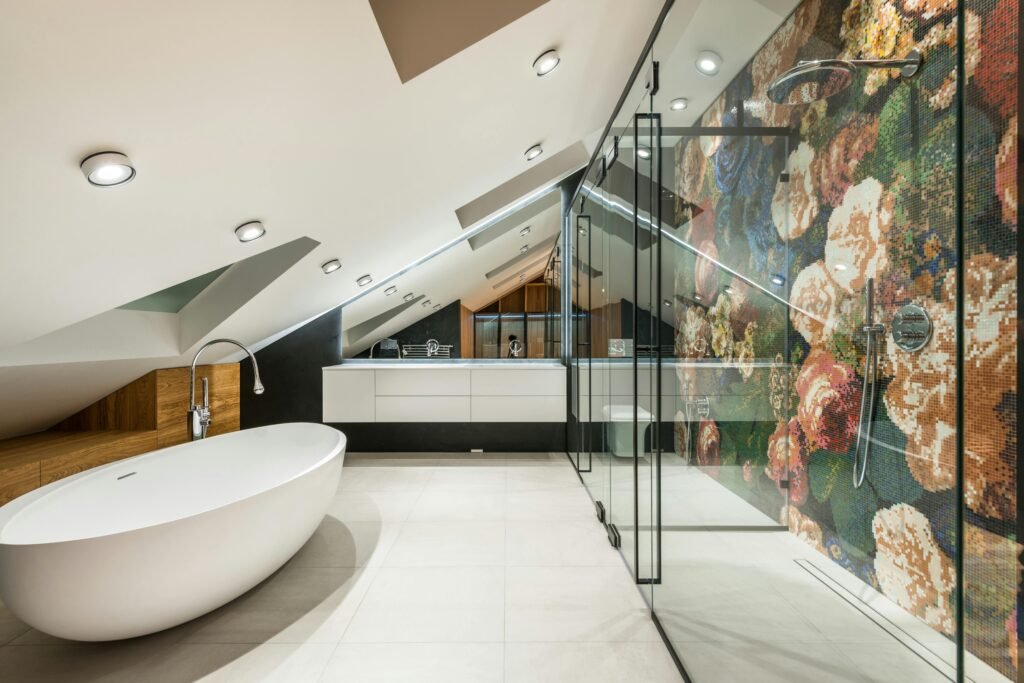
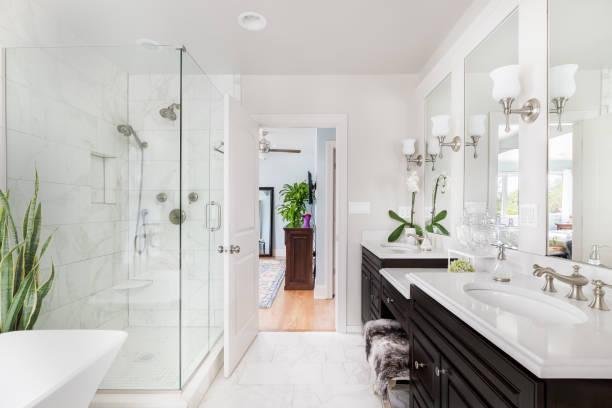
Whether you are tackling a full bathroom renovation or a bathroom remodel planning exercise from scratch, having a solid bathroom planning checklist helps keep your project on time, on budget, and fully compliant with UK Building Regulations. This guide walks UK homeowners through every stage of bathroom layout planning, from initial measurements to final sign-off, ensuring that nothing is missed and everything costs as much as it should.
Get Free Bathroom Renovation Quote | Call +44 7852 961732
Quick Bathroom Planning Checklist Overview:
- Budget
- Measurements
- Layout
- Plumbing
- Electrical
- Storage
- Ventilation
- Finishes
Why You Need a Proper Bathroom Planning Checklist
Without a structured plan, bathroom renovations often experience cost overruns, especially when unexpected design changes or hidden issues arise during the project. In the UK, compliance with building codes is also essential — failing to follow requirements for sanitation, water efficiency and safety can lead to delays or even failed inspections.
Using a planning checklist helps you:
• control your spending and avoid surprise costs
• meet UK regulatory standards
• reduce mistakes during design and construction
• enhance long-term home value
Bathroom Planning Checklist

Step 1: Set a Realistic Budget for Your New Bathroom
Money is where every bathroom renovation checklist must begin. Without a clear budget, scope creep will eat your contingency before the tilers have even arrived.
UK Cost Ranges
Based on current industry data, UK homeowners can expect to pay:
| Renovation Type | Typical Cost Range |
| Basic refresh (new suite, retiling) | £3,000 to £5,000 |
| Mid-range full renovation | £5,000 to £12,000 |
| Premium or luxury bathroom | £12,000 to £25,000+ |
| Ensuite renovation | £6,000 to £9,500 |
All figures exclude VAT at 20 percent, which builders often quote separately. Factor this in from the start to avoid an unpleasant surprise.
Labor vs Materials Split
As a rule of thumb in UK bathroom projects, labour accounts for roughly 40 to 50 percent of the total project cost. For a mid-range renovation, a plumber will typically charge between £1,500 and £3,000, while electrical work can add £300 to £1,000. Day rates for bathroom fitters in London sit around £350 per day; outside the capital, rates are generally lower across the North and Midlands.
Contingency Planning
Build in a 10 to 15 percent contingency from day one. Hidden issues — deteriorated floorboards, crumbling plaster, outdated pipework — are common in UK homes, particularly pre-1980s properties. Discovering them mid-project without a reserve budget means either delaying completion or cutting corners on finishes.
Hidden Costs to Watch For
- VAT at 20 percent on all labour and materials
- Building control fees if structural changes are involved
- Disposal of the old bathroom suite and waste
- Delivery surcharges for remote locations
- Replastering (£500 to £750 for a typical bathroom)
- Temporary bathroom facilities if the only bathroom is out of action
For a bathroom renovation cost breakdown, or to explore our full bathroom renovation service, get in touch with the team at Best Hommes.
Step 2: Measure Your Space Accurately
Poor measurements are responsible for more bathroom renovation headaches than almost any other single factor. Getting this right before ordering a single product saves time, money and frustration.
What to Measure:
Ceiling height affects shower enclosure selection, mirror sizing and extraction ducting routes. Measure floor to ceiling in at least three positions to check for any drop.
Soil pipe position is critical. Your WC must sit in close proximity to the soil vent pipe (SVP). Moving it significantly increases plumbing costs and complicates waste drainage. Where possible, keep the toilet close to the existing SVP location.
Door clearance must accommodate both the door swing and the minimum movement space around each fixture. UK building regulations specify that toilets require a minimum of 700mm width and 1,300mm length, though these are tight minimums — plan for more where space allows.
Window placement affects natural light, ventilation options and tile layout. Note the sill height as this impacts the positioning of taps, shower heads and mirrors.
Minimum spacing standards between fixtures include:
- At least 200mm between the edge of a basin and a side wall
- A minimum 600mm clear space in front of a WC
- At least 700mm between the bath or shower tray and any opposing wall
Take photographs of the existing space and mark all dimensions on a scale drawing before contacting suppliers or your installer. For inspiration on making the most of compact spaces, explore our small bathroom design ideas UK.
Step 3: Plan the Bathroom Layout Properly
Bathroom layout planning UK wide follows a broadly similar logic: keep plumbing runs short, maximise natural light and design around your daily routine rather than simply around what looks good in a showroom brochure.
Common Layout Options
One-wall layout places all fixtures along a single wall, keeping plumbing concentrated and labour costs lower. Ideal for narrow bathrooms or en-suites where width is limited.
L-shaped layout separates wet and dry zones, typically positioning the bath or shower on one wall and the WC and basin on the return. This layout works well in medium-sized family bathrooms.
Wet room layout removes the shower enclosure entirely, using a tanked, fully waterproofed floor with a linear drain. Wet rooms require additional waterproofing preparation and a correctly positioned waste point — these must be factored in at the measurement and structural stages.
Shower vs bath decision comes down to space, lifestyle and household composition. A shower uses significantly less water than a bath and is faster for daily use. A bath adds value for families with young children and retains broader appeal when selling. Where space permits, a separate shower and freestanding bath is the premium option for a luxury bathroom design UK.
Layout Comparison Table
For expert bathroom layout planning in your area, speak to our experts about what works best for your specific space.
Step 4: Plumbing and Electrical Planning
This stage is where bathroom remodel planning gets technical. Both plumbing and electrical work in a UK bathroom are subject to strict regulation, and cutting corners here carries serious consequences.
Plumbing Considerations
Water pressure must be assessed before specifying any shower. Thermostatic showers and power showers have minimum pressure requirements. If your property runs on low pressure, a pump or an electric shower may be the appropriate solution. Ask your plumber to test the mains pressure before products are ordered.
Boiler capacity matters if you are adding an ensuite or upgrading from a shower over a bath to a dedicated shower room. Your existing boiler may not have sufficient output to supply multiple outlets simultaneously. A heating engineer can assess this quickly.
Soil pipe proximity: As noted in the measurements step, keeping the WC close to the existing SVP avoids costly drainage work. Under UK Building Regulations Part G, all sanitary fittings must drain correctly with adequate fall and venting to prevent syphoning of traps.
Electrical Planning
UK Building Regulations Part P applies to all electrical work in bathrooms. Since 2005, any new circuit, addition to an existing circuit or electrical work in a bathroom must either be carried out by a Part P registered electrician or notified to your local authority building control before work starts. Failing to comply is a criminal offence, and local authorities have the power to make homeowners remove non-compliant work entirely.
Bathrooms are divided into electrical safety zones:
- Zone 0 — inside the bath or shower basin. Only SELV (safety extra-low voltage) equipment rated at no more than 12V AC, with a minimum IP rating of IPX7, is permitted.
- Zone 1 — directly above the bath or shower to a height of 2.25m. Equipment must have a minimum IP rating of IPX4.
- Zone 2 — the area extending 600mm beyond Zone 1. Minimum IPX4 required.
Standard electrical sockets must be installed at least 3 metres from any water source. The only exception is a specialist shaver socket, which may be installed in Zone 2 subject to specific requirements. Light switches must be pull-cord operated or located outside the bathroom.
Extractor fan rates under UK Building Regulations Approved Document F require a minimum extraction rate of 15 litres per second for intermittent fans in bathrooms containing a bath or shower. Continuous extraction systems must extract at least 8 litres per second. Fans must be positioned as high as practicable in the room and no more than 400mm below the ceiling.
For regulatory detail, refer to:
- UK Building Regulations Approved Documents — the official GOV.UK collection covering all Parts, including G (sanitation, hot water safety and water efficiency) and P (electrical safety in dwellings)
- Planning Portal: Approved Documents Guide — a plain-English breakdown of how each Part of the Building Regulations applies to common home projects
Step 5: Storage and Cabinet Planning
Storage is the element most homeowners underestimate at the design stage and regret most during day-to-day use. A good bathroom design checklist treats storage as a primary design constraint, not an afterthought.
Storage Solutions to Consider
Vanity units combine basin and storage in a single unit, keeping worktop surfaces clear. Wall-hung vanity units with concealed cistern WCs create a clean, uncluttered look and make floor cleaning easier. Entry-level vanity units start from around £120, with premium options exceeding £2,000.
Recessed niches are cut into the wall between studs to provide shelf space inside the shower or bath surround without projecting into the room. They must be properly tanked and waterproofed, and are best planned before tiling begins — retrofitting a niche after tiling is costly.
Tall cabinets make use of vertical space in a room where floor area is at a premium. A 2m tall cabinet can store towels, toiletries, cleaning products and spare supplies without occupying more floor space than a single base unit.
Hidden storage behind mirrors, above-door cabinets and built-in seating with lift-up lids all contribute to a clutter-free environment. For bespoke built-in storage, explore our carpentry services — purpose-built joinery maximizes every centimeter.
Step 6: Flooring and Wall Finishes
Finishes define how a bathroom looks and how it performs over time. The right choices reduce maintenance, last longer and protect the room from moisture damage.
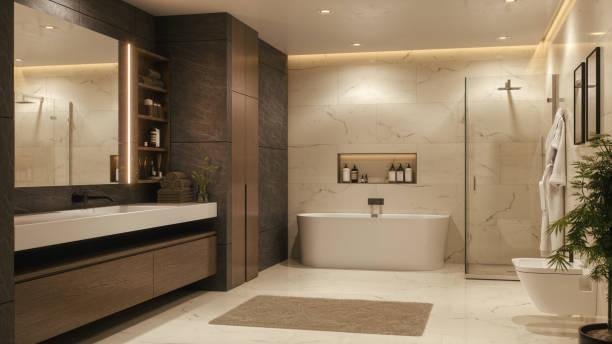
Porcelain vs Ceramic Tiles
Porcelain tiles are denser, less porous and more durable than ceramic tiles, making them the preferred choice for bathroom floors and wet areas. Natural stone-effect porcelain tiles typically cost £30 to £100 per m². The denser composition means they absorb less moisture and resist staining better over time.
Ceramic wall tiles are lighter and easier to cut, making them a practical and cost-effective choice for drywall areas. Ceramic tiles typically range from £20 to £50 per m².
Slip Resistance
Floor tiles in bathrooms should carry a minimum R9 slip resistance rating under DIN 51130 (a widely used European standard). For wet room floors and shower trays, an R10 or R11 rating provides an additional margin of safety, particularly for households with older adults or children.
Waterproof Wall Panels
Waterproof composite or PVC wall panels are a growing alternative to tiles in UK bathrooms. They install quickly, require no grout lines (which are a common source of mould) and are available in a range of finishes, including stone and concrete effects. They are particularly suited to shower enclosures and bath surrounds.
Underfloor Heating
Electric underfloor heating under floor tiles adds approximately £100 to £200 per m² to your budget but significantly improves comfort and can reduce the need for additional radiators. It works most effectively under porcelain or stone tiles, which conduct and retain heat well.
Step 7: Ventilation, Heating and Energy Efficiency
Inadequate ventilation is the leading cause of bathroom mould, condensation damage and poor indoor air quality in UK homes. It is also a regulatory requirement — not a nice-to-have.
Extractor Fan Requirements
Under UK Building Regulations Approved Document F, bathrooms with a bath or shower must have extract ventilation to the outside. Intermittent fans must extract at a minimum of 15 litres per second; continuous systems must extract at least 8 litres per second. Fans must be installed as high as practicable and no more than 400mm below the ceiling. In rooms without an openable window, the fan must continue running for at least 15 minutes after the room is vacated.
Fans must also carry the correct IP rating for their zone location — Zone 1 and 2 installations require a minimum of IPX4.
Heated Towel Rails
A heated towel rail provides both comfort and a functional drying solution that reduces moisture in the room. Electric towel rails run from your home’s electricity supply independently of your boiler, giving you control over when they operate. Models with timers and thermostats offer the most efficient operation.
Underfloor Heating
As noted in the finishes section, electric underfloor heating works well under porcelain and stone tiles. Wet underfloor heating — connected to your central heating system — is more complex to install but more efficient to run over time. Discuss both options with our heating service team before your floor is laid, as underfloor heating must be installed before tiling.
Condensation Control
Condensation is best controlled through a combination of adequate extraction, warm surfaces (underfloor heating helps), and good ventilation habits. The Energy Saving Trust notes that switching to a water-efficient shower head can save around 9,200 litres of water per year, which also reduces the volume of steam generated per shower — a practical benefit for condensation control as well as energy costs.
For broader guidance on energy efficiency in the home, the Energy Saving Trust provides up-to-date, UK-specific advice on reducing water and energy consumption in bathrooms. For independent guidance on hiring qualified tradespeople for your renovation, Best Hommes offers a comprehensive UK bathroom planning guide and a vetted builder search tool.
Final Bathroom Completion Checklist
Before you sign off on your project and make the final payment, work through this completion checklist systematically.
Functionality
- All taps flow at the correct pressure with no drips
- Hot water reaches the correct temperature (baths must not exceed 48°C under Building Regulations Part G to prevent scalding)
- The shower thermostat works correctly and holds the temperature
- WC flushes correctly and cistern refills without running on
- All waste outlets drain freely with no gurgling or slow drainage
- Extractor fan operates and is ducted to the outside
- Underfloor heating (if fitted) reaches operating temperature
Safety
- Electrical completion certificate issued by a Part P registered electrician
- All electrical fittings carry the correct IP ratings for their zone
- No sockets installed within 3 metres of a water source (unless specified shaver socket)
- The light switch is a pull-cord or located outside the bathroom
- Slip-resistant floor tiles have been installed
- Thermostatic mixing valve (TMV) fitted to bath taps where required
- Extractor fan meets minimum 15 l/s extraction rate and runs on a timer after use
Finish
- All grout lines are consistent, sealed and free from gaps
- Silicon sealant applied neatly around bath, shower tray and basin
- All panels and cabinets are level and secure
- Mirrors and accessories are fixed firmly
- All surfaces are clean and free from adhesive residue, grout haze or paint splashes
- Snag list compiled and agreed with the installer before final payment is made
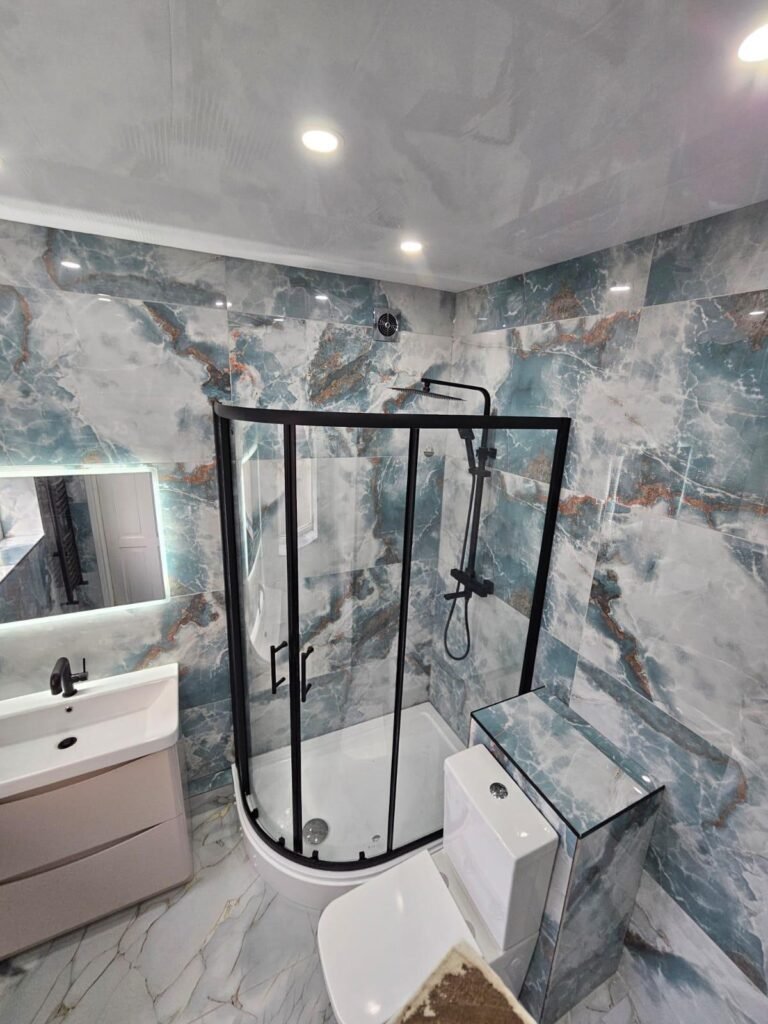
Common Bathroom Planning Mistakes to Avoid
- Setting a budget without a contingency. UK renovation costs are unpredictable. Always hold back 10 to 15 percent for the unexpected.
- Ordering products before measuring accurately. Bathrooms ordered online before a site measure are returned or altered at significant cost.
- Moving the soil pipe unnecessarily. Every metre you move a WC from the soil vent pipe adds cost and complexity.
- Ignoring water pressure before specifying a shower. A thermostatic shower specified for a high-pressure system will underperform on a gravity-fed supply.
- Using an unregistered electrician. Part P compliance is a legal requirement. Non-compliant electrical work can invalidate insurance and block property sales.
- Fitting an undersized extractor fan. The minimum intermittent extraction rate of 15 l/s is a regulatory floor — undersized fans lead to condensation, mould and potential regulatory non-compliance.
- Overlooking storage at the design stage. Storage planned after layout decisions are made is always compromised.
- Skipping the completion checklist. A snagging walk-through before final payment protects you if issues emerge later.
- Confusing a planning permission requirement with a building regulations requirement. Replacing or upgrading a bathroom generally does not require planning permission in a standard UK property, but significant structural changes and all electrical work require building regulations compliance.
Ready to Transform Your Bathroom
At Best Hommes, we bring together qualified tradespeople, design expertise and a detailed understanding of UK Building Regulations to deliver bathroom renovations that look exceptional and stand up to daily life. Every project begins with a transparent conversation about budget, timeline and compliance — because a bathroom renovation is only as good as the planning behind it.
Our team works across the West Midlands and beyond, delivering projects that meet Part G and Part P requirements as standard, with no hidden costs and no regulatory surprises. Whether you need a compact ensuite refitted or a full family bathroom redesigned from scratch, we bring practical expertise to every stage of your bathroom renovation checklist.
Explore our full bathroom renovation service or speak to our expert team directly.
Frequently Asked Questions
What is included in a bathroom planning checklist?
A bathroom planning checklist covers eight core areas: budget, measurements, layout, plumbing, electrical planning, storage, ventilation and finishes. It also includes a completion checklist to confirm functionality, safety and finish quality before signing off on the project.
How long does a bathroom renovation take in the UK?
A typical full bathroom renovation in the UK takes between one and two weeks of active building work, following a planning and design phase of two to four weeks and a materials ordering period of two to four weeks. Complex projects involving structural changes or bespoke joinery take longer.
Do I need planning permission for a new bathroom?
In most cases, no. Replacing a bathroom suite, retiling or refitting fixtures in an existing bathroom does not require planning permission. Building regulations approval is required for electrical work, for creating a new bathroom where one did not previously exist, and for significant changes to drainage or structural elements. Always confirm with your local authority building control if you are unsure.
How much should I budget for a bathroom renovation?
In 2025, a realistic budget for a full UK bathroom renovation is between £5,000 and £12,000 for a mid-range finish, with basic refreshes starting from around £3,000 and luxury renovations exceeding £15,000. Always add a contingency of 10 to 15 percent for hidden costs, and ensure all quotes include VAT.
What do you need in a bathroom checklist?
A thorough bathroom checklist covers eight core areas.
- Budget: set your total spend with a 10 to 15 percent contingency before anything else.
- Measurements: record ceiling height, soil pipe location, door swing, window placement and minimum fixture spacing.
- Layout: decide on fixture positions and the relationship between wet and dry zones.
- Plumbing: assess water pressure, boiler capacity and soil pipe proximity.
- Electrical: confirm zone compliance, IP ratings and Part P certification.
- Storage: plan vanity units, recessed niches and tall cabinets from the outset.
- Ventilation: specify a compliant extractor fan with a minimum extraction rate of 15 litres per second.
- Finishes: choose slip-resistant floor tiles, appropriate wall finishes, and confirm underfloor heating requirements before tiling begins.
A completion checklist covering functionality, safety and finish quality should follow once installation is done.
What are five tips for organizing your bathroom?
Good bathroom organisation comes down to smart decisions made at the design stage, not solutions bolted on afterwards.
- First, choose a wall-hung vanity unit with internal drawers rather than a pedestal basin — the storage gained is significant and the floor beneath remains clear and easy to clean.
- Second, install recessed niches inside the shower enclosure for shampoo, soap and accessories; this keeps the shower floor clear and removes the need for hanging caddies.
- Third, use tall full-height cabinets in corners or alcoves to exploit vertical space that would otherwise go to waste.
- Fourth, fit a mirrored cabinet above or beside the basin rather than a plain mirror — you gain a concealed storage compartment without adding any visual bulk to the room.
- Fifth, assign a fixed location for every category of item from day one: medicines, cleaning products, spare towels and daily toiletries all benefit from dedicated zones, which prevents the surface clutter that builds up when storage is treated as an afterthought.