
Bespoke kitchens are fully custom-designed for your space, perfect for period homes, unusual layouts, or homeowners wanting complete design flexibility. Fitted kitchens use standardised units, install faster, and suit modern apartments or budget-conscious projects. Choose bespoke for long-term value and luxury; fitted kitchens for practical layouts, speed, and cost-effectiveness.
Get Free Kitchen Design Consultation| Call Now+447852961732
How to Choose Between a Bespoke and Fitted Kitchen
Choosing the right kitchen type ensures your renovation is functional, stylish, and valuable. The wrong choice can lead to wasted space, budget overruns, and a kitchen that doesn’t suit your lifestyle.
As a professional UK kitchen renovation and design company, we help with:
- Space optimisation, even in irregular layouts
- Material selection for durability and aesthetics
- Appliance placement for workflow efficiency
- Compliance with UK building regulations
Tip: Homeowners should consider property type, room size, and lifestyle. Bespoke kitchens excel in Victorian terraces, listed homes, and open-plan family kitchens; fitted kitchens work best in apartments and new builds.
Feature Comparison Table
| Feature | Fitted Kitchen | Bespoke Kitchen |
| Design | Standard units | Fully custom layout |
| Materials | Pre-fabricated | Premium, handcrafted |
| Storage | Standardised solutions | Tailored and innovative |
| Lead Time | 2–6 weeks | 8–16 weeks |
| Cost | £6,000–£25,000+ | £20,000–£60,000+ |
| Best For | Regular layouts, apartments | Irregular layouts, luxury homes |
What is a Fitted Kitchen?
Definition and Key Features
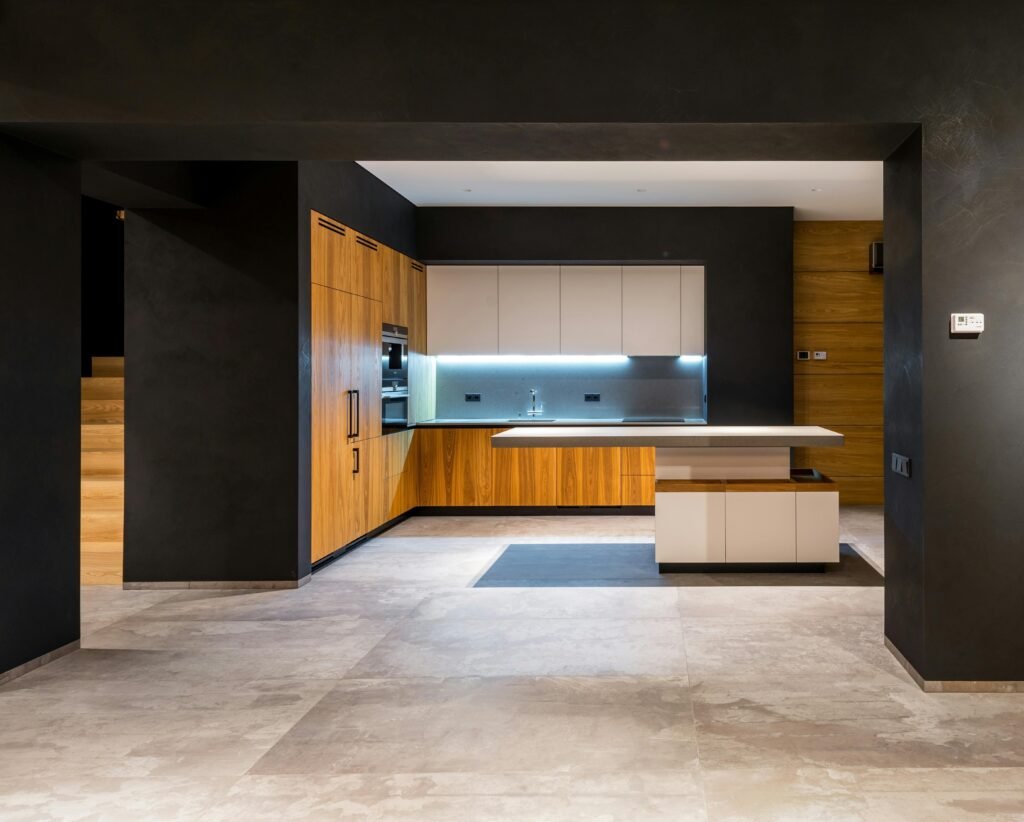
A fitted kitchen is made from pre-designed units installed to suit your kitchen layout. Standard sizes and modular components allow for quicker installation, often within 2–6 weeks. Fitted kitchens often include built-in storage, concealed appliances, and functional layouts suitable for everyday use.
Popular UK Styles and Materials
- Modern Handleless Units: Minimalist, often lacquered or laminate finishes
- Shaker-style Cabinets: Timeless painted wood, ideal for traditional British homes
- Timber & Stone Combinations: Oak or walnut cabinetry with granite or quartz worktops
- Laminate & MDF Options: Budget-friendly and versatile for small kitchens
Typical Pricing and Lead Times (UK, 2026)
| Kitchen Type | Cost | Lead Time | Best For |
| Budget / Small Fitted | £6,000–£12,000 | 2–4 weeks | Apartments, compact kitchens |
| Mid-range Fitted | £12,000–£25,000 | 3–6 weeks | Medium-sized kitchens, family homes |
| Premium Fitted | £25,000+ | 4–8 weeks | High-end appliances and finishes |
What is a Bespoke Kitchen?
Definition and Key Characteristics
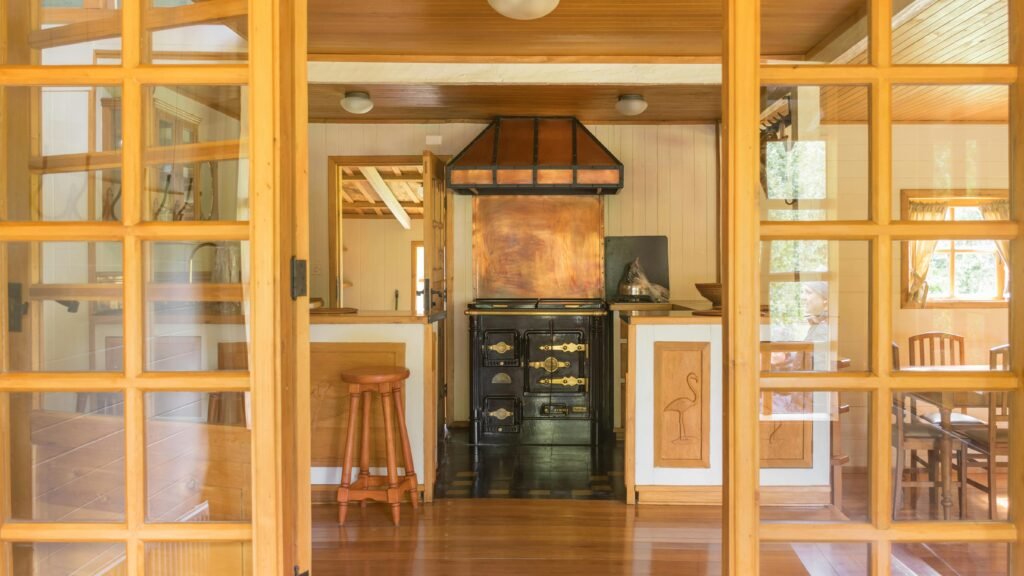
Bespoke kitchens are entirely custom-built for your space, materials, and lifestyle. Every cabinet, drawer, and feature is tailored to your requirements, making them ideal for period homes, irregular layouts, and open-plan spaces. Bespoke kitchens maximise efficiency while reflecting your personal style.
Craftsmanship, Materials, and Flexibility
- Custom Cabinetry: Handmade wood or specialist materials, built to last 25+ years
- Tailored Storage: Pull-out pantries, corner carousels, hidden drawers, deep drawers for pots
- Layout Flexibility: Ideal for sloping ceilings, non-standard wall lengths, or open-plan spaces
- Premium Appliances & Lighting: Fully integrated solutions to suit lifestyle and entertaining needs
UK Kitchen Trends 2026
- Warm, Earthy Colours: Sage, terracotta, putty, timber tones
- Textured Cabinet Doors: Fluted, shaker, and geometric finishes
- Smart Technology: Wi-Fi ovens, touchless taps, integrated charging points
- Open Plan Islands: Perfect for entertaining and family living
Pro Tip: When incorporating these kitchen design trends, balance style with practicality—choose coolers and textures that complement your home’s character, and integrate smart appliances and storage solutions that suit your daily lifestyle.
Key Differences Between Bespoke and Fitted Kitchens
Design & Customisation
Fitted kitchens offer choice within set parameters. You select from available door styles, colours, and finishes, then arrange standard-sized units to suit your space. Retailers like IKEA offer over 30 styles, giving a decent variety whilst maintaining affordability.
Bespoke kitchens provide unlimited customisation. Every dimension, material, colour, and detail is tailored to you. Need a 547mm wide cabinet to fill an awkward gap? No problem. Want a curved island with integrated wine storage? Absolutely possible.
This flexibility matters most in:
- Period properties with unique features
- Rooms with non-standard dimensions
- Homes requiring specialist storage
- Spaces with awkward corners or ceiling heights
Materials & Quality
Fitted kitchens typically use:
- Chipboard or MDF carcasses
- Laminated or painted finishes
- Standard-grade hinges and runners
- Mass-produced handles and accessories
Quality varies significantly by price point. Budget ranges use thinner materials and basic hardware, whilst premium fitted kitchens approach bespoke standards.
Bespoke kitchens employ:
- Solid hardwood or premium birch plywood
- Hand-applied paints or natural finishes
- Soft-close hinges and drawer runners
- Custom metalwork and artisan details
Craftsmanship shows in details like dovetailed drawer joints, hand-painted finishes, and precision-cut joinery. These elements contribute to exceptional durability.
Functionality & Storage Solutions
Fitted kitchens include standard internal fittings:
- Fixed shelf positions
- Standard drawer sizes
- Pre-configured corner solutions
- Cutlery organisers and pull-out bins
According to the 2026 Houzz UK Kitchen Trends Study, 95% of homeowners add speciality storage features, including cutlery organisers (78%), pull-out bins (55%), and corner carousels (29%).
Bespoke kitchens offer personalised solutions:
- Custom drawer heights for specific items
- Tailored pantry systems
- Bespoke wine racks or display cabinets
- Hidden appliance garages
- Integrated charging stations
Every millimetre of space gets optimised for your cooking style, storage needs, and lifestyle requirements.
Sustainability and Longevity
Fitted kitchens typically last 10-15 years before requiring replacement or significant refurbishment. Budget ranges may show wear sooner, particularly in high-traffic family homes.
Bespoke kitchens are built to last 25-50 years or more. Superior materials, craftsmanship, and construction methods mean they age gracefully. Many can be refreshed with new paint or minor updates rather than a complete replacement.
Sustainability considerations in 2026 include:
- Climate-neutral manufacturing processes
- Recycled and responsibly sourced timber
- Reduced waste through precise measurements
- Energy-efficient production methods
- Longevity reduces long-term environmental impact
Cost Comparison and ROI (Impact on UK Property Value)
Fitted kitchen costs (2026 UK averages):
- Units: £1,500-£10,000+
- Worktops: £500-£3,000
- Appliances: £450-£5,200
- Installation: £2,200-£4,600
- Total: £5,000-£20,000
Bespoke kitchen costs (2026 UK averages):
- Cabinetry: £12,000-£25,000
- Worktops: £2,000-£8,000
- Appliances: £2,000-£10,000+
- Installation: £3,000-£8,000
- Design fees: £1,000-£3,000
- Total: £20,000-£75,000+
Property value impact: Which? reports kitchen renovations can add 5-15% to home value. The Royal Institution of Chartered Surveyors states that well-designed kitchens can add up to 4% to property values, with some UK areas seeing increases of £79,000 in property prices.
The rule of thumb: spend 5-15% of your property value on a kitchen renovation for optimal ROI. A bespoke kitchen in a £500,000 home makes financial sense; in a £150,000 property, it may represent over-investment.
Pros and Cons of Each Kitchen Type
Advantages of Fitted Kitchens
- Quicker and more affordable installation
- Ready-made units suit most UK layouts
- Wide variety of styles and finishes available immediately
Disadvantages of Fitted Kitchens
- Limited flexibility for irregular or angled walls
- Storage options can be basic
- Materials may wear faster compared to bespoke options
Advantages of Bespoke Kitchens
- Complete design freedom for your space
- Premium materials and craftsmanship
- Tailored storage maximises functionality
- Adds long-term value and luxury appeal
Disadvantages of Bespoke Kitchens
- Higher upfront investment
- Longer lead times due to custom manufacturing
- Requires detailed planning with a designer
Who Should Choose Which Kitchen?
Factors to Consider
- Lifestyle: Cooking frequency, entertaining, family size
- Space: Kitchen layout, wall angles, ceiling height
- Budget: Fitted kitchens are cost-effective; bespoke kitchens are an investment
When Fitted Kitchens Are Ideal
- Modern apartments or new-builds
- Regular, square kitchen layouts
- Projects needing faster completion or lower cost
When Bespoke Kitchens Make Sense
- Period homes with irregular angles
- Large open-plan family kitchens
- Homeowners seeking a unique, premium design
UK Property-Specific Recommendations
Victorian & Edwardian Terraces: Bespoke kitchens preserve period character, optimise sloping ceilings, and maximise compact spaces.
Modern Apartments & Townhouses: Fitted kitchens are cost-effective, easy to maintain, and suit standard layouts.
Family Homes & Entertaining Spaces: Bespoke kitchens with islands, multi-zone cooking, and tailored storage improve both function and style.
Making Your Decision Easier
Decision-Making Checklist
- Measure your space and note obstacles
- Set a realistic budget with contingency
- Consider lifestyle and entertaining needs
- Decide on bespoke vs fitted based on flexibility
Questions to Ask Your Kitchen Designer
- Can the layout be fully customised to my space?
- What storage solutions suit my kitchen style?
- Which materials offer durability and ease of maintenance?
- What is the realistic timeline and budget?
- Who will manage the project and daily communication?
Common Pitfalls to Avoid
- Prioritising style over function
- Ignoring long-term use or resale value
- Accepting vague or verbal quotes
- Overlooking UK building regulations and certifications
Working with UK Kitchen Professionals
How to Choose a Designer or Fitter
- Check local experience and portfolio
- Verify insurance (Public Liability £2m, Professional Indemnity)
- Confirm certifications (Gas Safe, NICEIC, building regulations experience)
What to Expect During the Design Process
- Site survey and consultation
- 3D visualisation of the kitchen layout
- Material selection, cost planning, and timeline
- Installation by licensed tradespeople with project management
Book a free consultation with our UK best kitchen design experts today
Final Thoughts
The right kitchen matches your property type, budget, timeline, and lifestyle. Visit showrooms to touch materials and experience quality firsthand. Book consultations with both fitted retailers and bespoke designers.
Key principles:
- Match investment to property value (5-15%)
- Budget 10-15% contingency
- Verify professional credentials
- Prioritise timeless design
- Focus on your lifestyle needs
Whether investing £8,000 or £80,000, thoughtful planning ensures your kitchen serves beautifully for years to come.
Ready to start? Contact Best Hommes for expert advice on fitted and bespoke solutions across the UK. Book your free design consultation today.
Frequently Asked Questions (FAQs)
Is a bespoke kitchen always more expensive than a fitted one?
Generally, yes, but the price reflects custom design, higher-quality materials, and long-term value. Bespoke kitchens can last 25+ years, making them a smart investment for homeowners who value durability and a unique design.
Can I mix bespoke elements with a standard fitted kitchen?
Yes. Semi-bespoke solutions let you combine ready-made units with custom features such as islands, pull-out pantries, or unique finishes. This balances cost, design flexibility, and functionality.
How long does it take to install a bespoke kitchen in the UK?
Typically 8–16 weeks, including design, manufacturing, and installation. Timelines vary based on layout complexity, custom materials, and appliance integration. Planning ensures smooth delivery.
Will a bespoke kitchen add more value to my home than a fitted one?
Yes, especially in period, luxury, or high-end properties. Bespoke kitchens enhance functionality, appeal to buyers, and often increase resale value more than standard fitted kitchens.
Do I need planning permission for a kitchen renovation?
Most internal renovations don’t require planning permission. Exceptions include structural changes, extensions, or work in listed buildings. Always check the UK local council guidelines to avoid issues.
What kitchen worktops are best for UK homes in 2026?
- Quartz: Durable, low-maintenance, premium cost
- Granite: Elegant, requires sealing, premium
- Solid Wood: Warm aesthetic, needs upkeep
- Laminate: Budget-friendly, less durable
Can I live in my home during the renovation?
Yes, though expect disruption for 2–4 weeks. Use a temporary setup for cooking, seal off the kitchen area, and plan for dust, noise, and appliance access.
Are bespoke kitchens more energy-efficient than fitted kitchens?
Not inherently, but bespoke kitchens allow custom appliance placement, better lighting, and integrated energy-saving solutions, making it easier to incorporate A+++ appliances, LED lighting, and induction hobs.
What property types benefit most from bespoke kitchens?
Victorian terraces, Edwardian homes, listed buildings, and large open-plan family homes gain the most from custom layouts, tailored storage, and premium finishes.
How do I choose between a fitted and a bespoke kitchen for a small UK kitchen?
Small kitchens benefit from efficient fitted units, but semi-bespoke options can add pull-out solutions, custom corner storage, or slimline appliances to maximize space without sacrificing style.

