
Planning a kitchen remodel starts with defining clear goals, setting a realistic budget of £10,000 to £25,000 for most UK homes, measuring your space accurately, and choosing the right layout. Create a detailed kitchen renovation planning checklist, understand UK building regulations, hire a certified kitchen renovation company including Gas Safe engineers, and allow 4 to 8 weeks for completion. Proper kitchen layout planning ensures an efficient work triangle between sink, hob, and fridge.
A kitchen remodel is one of the most impactful ways to improve a home in the UK — whether that’s a Victorian terrace in Manchester, a semi‑detached in Birmingham, or a flat in London. But knowing exactly how to plan kitchen renovation so it delivers beauty, functionality and value can be daunting. This step-by-step guide cuts through confusion with clear actions, real UK cost figures, timeline examples and practical checklists. You’ll learn what to do first, how to avoid delays and how to keep control of your budget and decisions throughout th
What Does a Kitchen Remodel Really Involve?
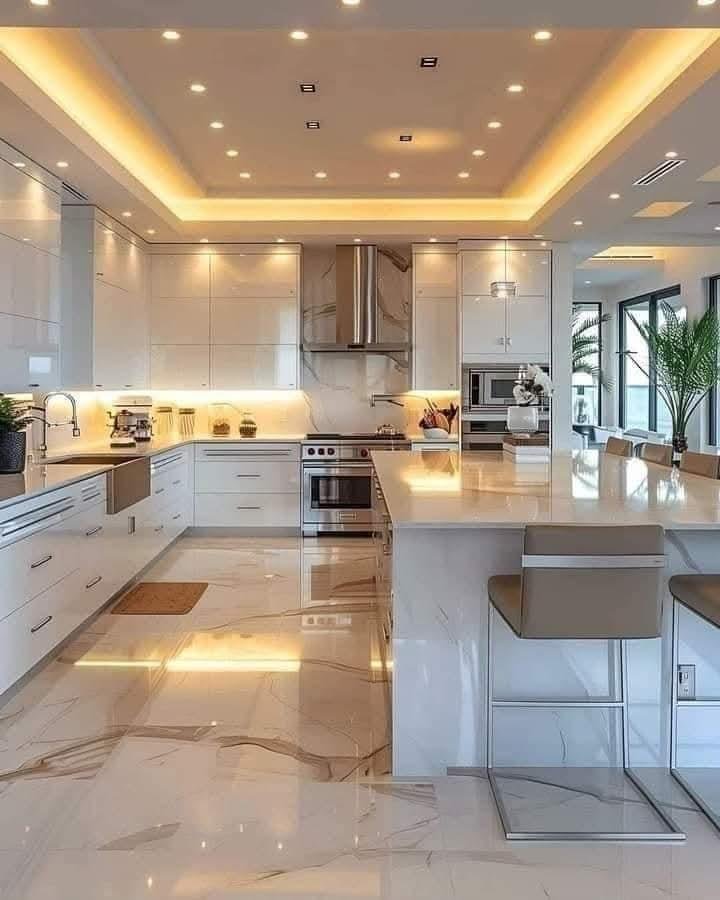
A kitchen remodel replaces or reconfigures the existing kitchen to improve function and aesthetics. It can range from a simple cosmetic refresh to a full redesign of layout and services. It differs slightly from a renovation (which can mean restoring or repairing existing features), but in practice, the terms overlap in UK home improvement. A remodel usually includes new units, surfaces, lighting, flooring and sometimes reworking walls and services.
How to Plan a Kitchen Remodel? 7+ Simple Steps
Step 1: Define Your Goals and Scope
Every successful kitchen remodel begins with clear objectives. Without defined goals, costs spiral, and timelines extend.
Functional Goals
Start by thinking about how you use your kitchen daily. Do you cook elaborate meals or reheat ready-made dishes? How many people cook simultaneously? Is breakfast a rushed affair or a family gathering?
List specific functional problems. Common issues in UK homes include:
- Insufficient worktop space for food preparation
- Poor storage leads to cluttered surfaces
- Inadequate lighting over key work areas
- Appliances that no longer meet household needs
- Traffic flow is disrupting the cook
For terrace houses, narrow galley kitchens often frustrate families. Semi-detached homes may have awkward corner layouts. New builds sometimes sacrifice storage for open-plan living.
Design Goals
Visual preferences matter as much as function. Browse kitchen showrooms and online galleries. Save images that appeal to you.
Consider practical UK design elements:
- Cabinet styles from handleless modern to traditional shaker
- Worktop materials from laminate to quartz
- Colour schemes that complement your home
- Flooring that withstands heavy use
- Lighting that creates ambience and task illumination
Be honest about maintenance. A white quartz worktop in a busy family kitchen needs different care than wood in a rarely used space.
Value and Investment Goals
Kitchen remodels typically return 50% to 80% of costs when selling. Location matters. A £30,000 kitchen in a £200,000 terrace makes less sense than in a £500,000 detached home.
Ask yourself:
- Are you staying 5 years or more?
- Does your current kitchen affect your property’s value?
- Will this remodel enable you to stay longer?
- Are you renovating to sell soon?
Budget based on your home value and personal benefit, not just resale return.
Step 2: Set a Realistic Kitchen Remodel Budget UK
Money determines everything in kitchen planning. The 2026 UK market shows clear cost bands.
Average UK Cost Ranges
Based on current UK data, expect these ranges:
Budget Kitchen: £6,000 to £12,000
- Flat-pack or standard units
- Laminate worktops
- Basic integrated appliances
- Minimal layout changes
- DIY installation or single fitter
Mid-Range Kitchen: £12,000 to £25,000
- Quality pre-assembled cabinets
- Quartz or granite worktops
- Good specification appliances
- Some plumbing or electrical changes
- Professional installation team
Premium Kitchen: £25,000 to £50,000+
- Bespoke cabinetry
- High-end worktops like marble
- Premium appliances
- Significant layout changes
- Full design and project management
London and the South East add 20% to 30% to these figures. Rural areas may reduce costs by 10% to 15%.
According to Which?, the average UK kitchen renovation in 2026 costs between £10,000 and £20,000, including cabinets, worktops, appliances, and installation.
Budget Breakdown Table
Allocate your total budget roughly as follows:
| Category | Percentage | Budget Example (£15,000) | Budget Example (£25,000) |
| Cabinets & Storage | 30-35% | £4,500-£5,250 | £7,500-£8,750 |
| Worktops | 10-15% | £1,500-£2,250 | £2,500-£3,750 |
| Appliances | 15-20% | £2,250-£3,000 | £3,750-£5,000 |
| Labour & Installation | 20-30% | £3,000-£4,500 | £5,000-£7,500 |
| Plumbing & Electrical | 10-15% | £1,500-£2,250 | £2,500-£3,750 |
| Flooring & Decoration | 5-10% | £750-£1,500 | £1,250-£2,500 |
| Contingency | 10-15% | £1,500-£2,250 | £2,500-£3,750 |
Contingency Planning
Always include a contingency of 10% to 15%. Hidden problems emerge once old kitchens come out.
Common unexpected costs include:
- Damp walls requiring treatment
- Outdated wiring needs to be upgraded
- Uneven floors needing levelling
- Asbestos in older properties
- Structural issues behind walls
The Federation of Master Builders recommends being upfront with builders about your budget and creating a clear wish list. They can help tailor specifications to meet your financial constraints.
Ready to turn your budget into reality? Contact certified kitchen designers who can provide detailed quotes tailored to your specific requirements. Get multiple quotes to compare value and approach.
Step 3: Measure and Assess Your Current Kitchen
Accurate measurements prevent costly mistakes. Professional kitchen fitters refuse to quote without verified dimensions.
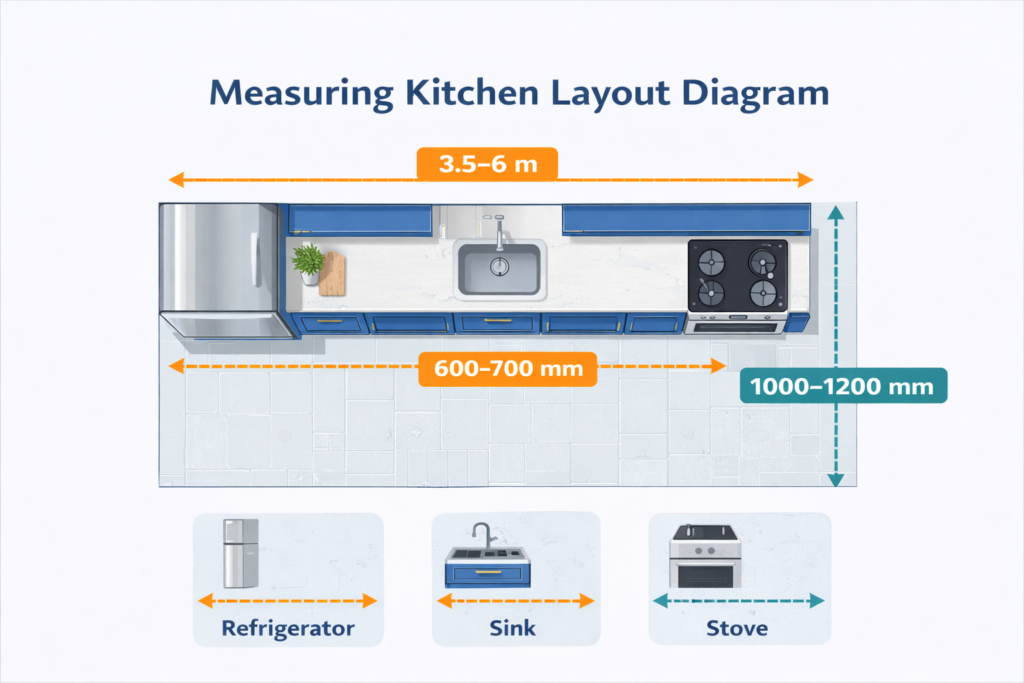
Use a steel tape measure, not a fabric tape measure. Record measurements in millimetres for precision. Create a rough floor plan showing:
Essential Measurements:
- Overall room dimensions (length, width, height)
- Window positions and sizes, including sill heights
- Door positions, swing direction, and widths
- Alcove depths and widths
- Chimney breast projections
- Radiator positions and pipe entry points
- Existing socket and switch positions
- Current appliance locations and sizes
- Ceiling height variations
- Any sloping floors or walls
Service Locations:
- Water supply pipes (hot and cold)
- Waste pipe positions and routing
- Gas supply points
- Electrical consumer unit location
- Boiler position (if in kitchen)
- Extractor fan vent routing
Assess Current Problems:
Walk through your daily kitchen routine. Note what frustrates you:
- Distance between fridge, sink, and hob
- Storage you cannot reach easily
- Insufficient electrical sockets
- Poor natural light areas
- Ventilation inadequacy
- Surfaces that show wear
Take photographs from each corner. These help designers understand your space and identify opportunities.
Check for structural issues. Cracks, damp patches, or soft spots in floors need to be addressed before fitting a new kitchen.
Step 4: Plan Your Kitchen Layout Properly
Layout determines how well your kitchen functions. A beautiful kitchen with a poor layout becomes frustrating daily.
Work Triangle Explained
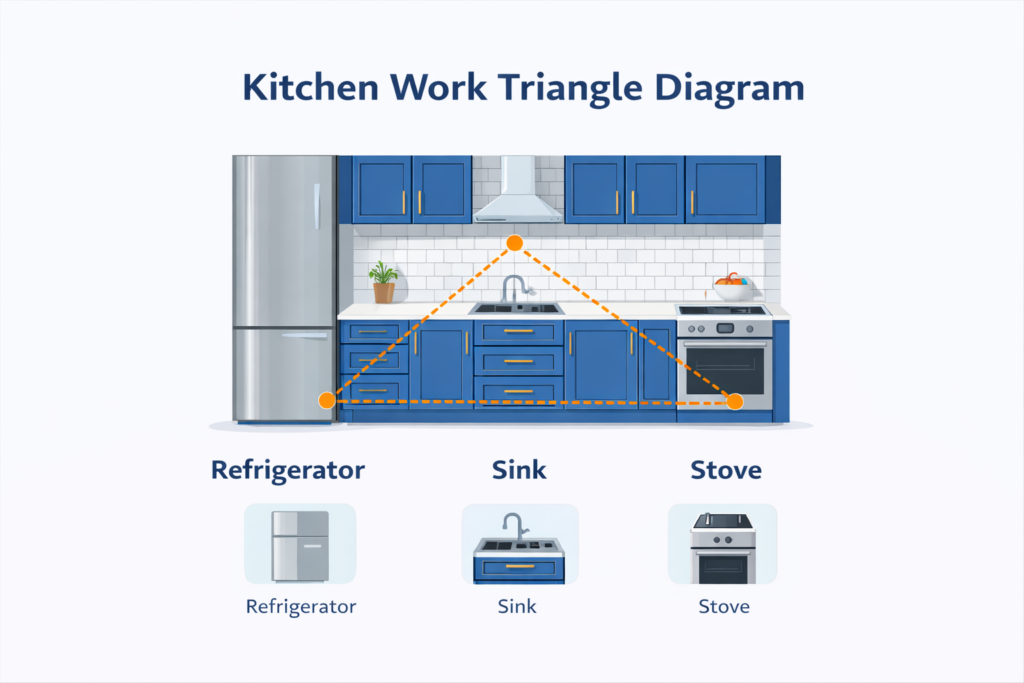
The kitchen work triangle connects your three most used areas: sink, hob, and fridge. This concept dates to the 1940s but remains relevant today.
Triangle Rules:
- Each side should measure 1.2 to 2.7 metres
- Total perimeter between 4 and 8 metres
- No obstacles should intersect the triangle
- Keep high traffic routes outside the triangle
According to Magnet Kitchens, placing these elements efficiently reduces walking and creates seamless movement between appliances. The goal is to minimise steps while maintaining comfortable spacing.
Modern Kitchen Zoning
Contemporary kitchens often use zones instead of strict triangles. This suits larger or open-plan spaces.
Common Zones Include:
- Preparation Zone: Near sink with ample worktop space
- Cooking Zone: Hob, oven, microwave with heat-resistant surfaces nearby
- Cleaning Zone: Sink, dishwasher, bin, cleaning products
- Storage Zone: Fridge, freezer, pantry, dry goods
- Serving Zone: Plating area, possibly near dining space
Each zone needs appropriate storage, worktop space, and services. Zones can overlap, but should have clear primary functions.
Choosing the Right Layout
Different layouts suit different spaces. Match your room shape to an effective configuration.
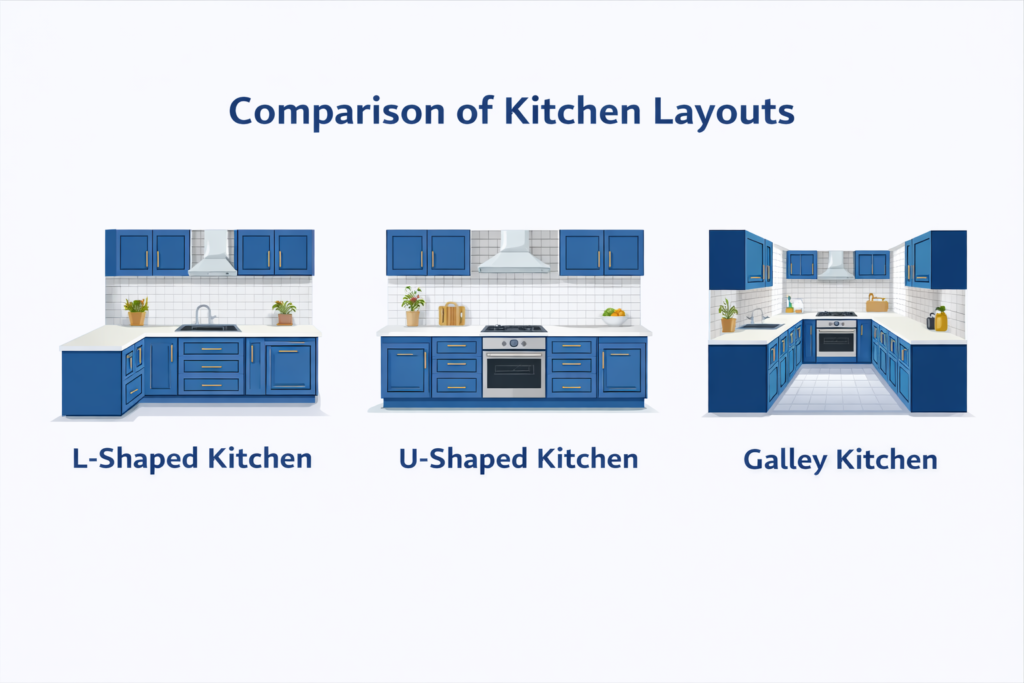
L-Shaped Layout: Works well in small to medium kitchens. Two adjacent walls provide good workflow. Corners can incorporate clever storage solutions. Suits terrace houses and semi-detached homes.
U-Shaped Layout: Uses three walls for maximum storage and worktop space. Creates an efficient triangle. Requires at least 2.4 metres between opposite sides to avoid feeling cramped. Ideal for dedicated kitchen rooms.
Galley Layout: Two parallel walls create an efficient workflow. Suits narrow spaces like Victorian terraces. Keep the width between 1.2 and 1.8 metres. Works well when one end opens to the dining area.
Island Layout: Requires at least 4 square metres. The island provides extra preparation space, storage, and seating. It can house a hob or sink. Needs careful planning for services. Popular in open-plan homes.
Open Plan Layout: Integrates kitchen with dining or living areas. Requires strong extraction. Consider sightlines from living spaces. Storage must look tidy from all angles.
Transform your space with expert layout planning. Professional kitchen designers use 3D software to show exactly how your chosen layout will look and function. Book a design consultation today.
Step 5: Choose Cabinets, Worktops and Appliances
These three elements consume 60% to 70% of your budget. Choose wisely based on durability and daily use patterns.
Cabinet Decisions:
Cabinet quality varies enormously. Flat-pack units from DIY stores start at £1,000 to £3,000 for small kitchens. Pre-assembled units cost £4,000 to £7,000. Bespoke cabinetry starts at £10,000 and exceeds £25,000 for larger or premium specifications.
Consider:
- Material: MFC is budget-friendly. Solid wood costs more but lasts longer. Hand-painted finishes command premium prices.
- Construction: Rigid pre-built cabinets outlast flat-pack. Check drawer mechanisms and hinge quality.
- Storage: Pull-out shelves, soft-close drawers, and corner solutions improve usability.
- Finish: Matt finishes hiding fingerprints better than gloss. Light colours make small kitchens feel larger.
UK brands like Howdens, Magnet, and Wren offer mid-range quality. IKEA provides budget options. Bespoke makers charge more but fit awkward spaces perfectly.
Worktop Selection:
Your worktop takes daily punishment. Choose based on maintenance tolerance and budget.
- Laminate: £30 to £50 per square metre. Budget-friendly but less durable. Seams show. It cannot be repaired easily.
- Quartz: £250-£500 per square metre. Very popular in UK kitchens. Durable, low maintenance, wide colour range.
- Granite: £300 to £600 per square metre. Natural stone with unique patterns. Requires sealing. Heat-resistant.
- Solid Surface (Corian): £350-£700 per square metre. Seamless joints. Can be repaired. Modern aesthetic.
- Marble: £400 to £800 per square metre. Stunning but high maintenance. Stains easily. Suit low-use kitchens.
Add £60-£150 per square metre for templating, cutting, and installation.
Appliance Priorities:
Appliances range from basic to professional grade. Prioritise based on cooking habits.
Essential appliances:
- Hob (gas or induction)
- Oven (single or double)
- Fridge freezer
- Extractor fan or hood
Desirable additions:
- Dishwasher
- Microwave
- Combination oven
- Wine cooler
- Warming drawer
Buy appliances when you finalise your design. Models change frequently. Integrated appliances need precise cabinet dimensions.
Energy efficiency matters. Look for A-rated appliances to reduce running costs. The upfront premium pays back through lower bills.
Step 6: Understand UK Building Regulations and Permissions
Most kitchen remodels do not need planning permission. However, building regulations almost always apply.
Planning Permission Requirements:
According to the Planning Portal, you generally do not need planning permission for a kitchen installation unless it forms part of an extension.
You do need planning permission if:
- Your kitchen is part of an extension to your property
- You are converting a garage into a kitchen
- Your property is listed
- You live in a conservation area and make external changes
- You are adding external doors or significantly altering windows
Contact your local planning authority if you are unsure. Applications take 4 to 8 weeks for approval.
Building Regulations Approval:
Building regulations ensure safety, energy efficiency, and proper Construction. Your local Building Control department enforces these.
You need approval if:
- Installing new electrical circuits or rewiring
- Moving or installing gas appliances
- Changing drainage or waste pipes
- Altering ventilation requirements
- Creating a kitchen where one did not exist
- Making structural changes
You may not need approval if:
- Simply replacing an existing kitchen
- Keeping all services in the same positions
- Making no structural alterations
The Federation of Master Builders advises that when installing a new kitchen, you typically need building regulations approval, which includes inspection by your local authority.
Electrical Work:
All electrical work in kitchens must comply with Part P of the Building Regulations. Use a certified electrician registered with schemes like NICEIC or NAPIT. They can self-certify their work.
Sockets must not be within 30cm horizontally of sinks. Plan socket positions for appliances, phone charging, and small appliances.
Gas Safety:
Any work involving gas must be carried out by a Gas Safe registered engineer. This is a legal requirement. Never attempt gas work yourself or use unregistered tradespeople.
Gas Safe engineers will:
- Install or move gas appliances safely
- Check for gas leaks
- Ensure proper ventilation
- Issue required certificates
- Register work with Building Control
New gas appliances require a Building Regulations Compliance Certificate. Keep this safe, as you may need it when selling your home.
Ventilation Requirements:
Kitchens must have adequate ventilation under Building Regulations Part F. Requirements include:
- Openable window or mechanical ventilation
- Extractor fan or cooker hood with sufficient extraction rate
- Background ventilation for air quality
If your hob sits more than 3 metres from a window, you must install an extractor fan.
Step 7: Create a Realistic Kitchen Renovation Timeline UK
Understanding timelines helps you plan temporary kitchen arrangements and manage expectations.
Typical Timeline by Project Scale:
According to multiple UK sources, including renovation specialists, timelines vary significantly:
Minor Refresh (Cosmetic Only): 1 to 2 weeks
- Door replacement
- Worktop swap
- Appliance upgrade
- Repainting
Standard Renovation (Same Layout): 4 to 6 weeks
- Full unit replacement
- New worktops
- Appliance installation
- Minor electrical/plumbing adjustments
- Flooring and decoration
Major Remodel (Layout Changes): 8 to 12 weeks
- Structural alterations
- Service relocation
- Significant electrical and plumbing work
- Building control inspections
- Bespoke elements
Extension with Kitchen: 12 to 24 weeks
- Building work
- Planning permissions
- Building control stages
- Full kitchen installation
Add planning and design time before Construction starts. This takes 2 to 8 weeks, depending on decision-making speed and design complexity.
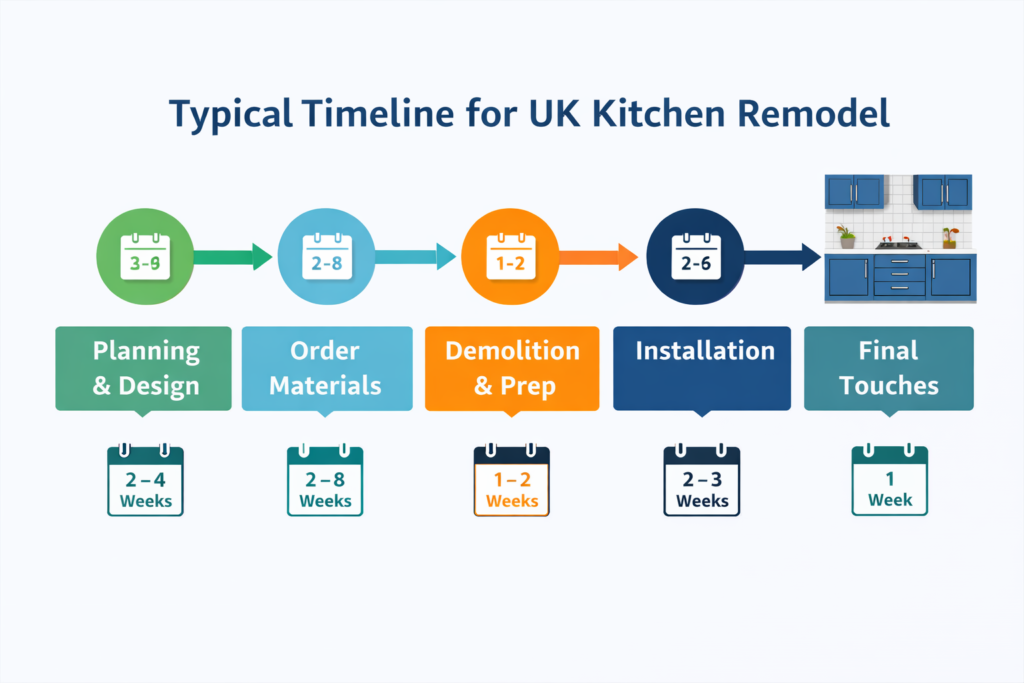
Phase by Phase Breakdown:
Planning and Design (2-8 weeks):
- Initial consultations
- Design development
- Material selection
- Quote comparisons
- Order placement
Preparation (1 week):
- Clear kitchen
- Set up a temporary cooking area
- Protect adjacent rooms
- Arrange skip or waste removal
Demolition (2-5 days):
- Remove old units
- Strip worktops
- Disconnect appliances
- Remove flooring if replacing
First Fix (3-7 days):
- New electrical circuits
- Plumbing alterations
- Gas pipe relocation
- Building control inspection
Plastering and Preparation (3-5 days):
- Wall repairs
- Ceiling work
- Drying time
- Decoration (walls only)
Installation (5-10 days):
- Base unit fitting
- Wall unit installation
- Appliance positioning
- Worktop templating
Second Fix (5-7 days):
- Worktop installation
- Appliance connection
- Plumbing completion
- Electrical completion
- Gas safety checks
Finishing (2-3 days):
- Splashback installation
- Final decoration
- Handle fitting
- Cleaning
- Snagging
Material Lead Times:
Order these well in advance:
- Bespoke cabinets: 6 to 10 weeks
- Stone worktops: 3 to 4 weeks from templating
- Appliances: 2 to 6 weeks, depending on stock
- Flooring: 1 to 4 weeks
Supply chain issues can extend these times. Order early and confirm delivery before demolition starts.
Step 8: Prepare for the Construction Phase
Preparation reduces stress during renovation work. Your kitchen will be unusable for several weeks.
Before Work Starts:
Set Up Temporary Kitchen:
- Move the fridge to another room
- Create a washing-up station
- Set up the kettle and microwave
- Stock disposable plates and cutlery
- Plan easy meals
Clear the Space:
- Empty all cabinets completely
- Remove personal items from adjacent rooms
- Clear access paths
- Arrange storage for contents
- Label items you want to keep
Protect Your Home:
- Seal doorways with dust sheets
- Cover floors in adjacent rooms
- Move furniture away from the walls
- Protect surfaces from splashes
- Arrange parking for trades’ vans
Installation Order (Standard Sequence):
- Strip Out: Remove everything old. Disconnect services safely.
- First Fix Services: Run new cables, pipes, and ducting. Building control inspections.
- Structural Work: Any wall removal or alterations. Further inspections if required.
- Plastering: Make good walls and ceilings. Allow drying time.
- Base Units: Install and level base cabinets. This takes precision.
- Worktop Templating: Specialist measures for stone worktops. They return to the workshop.
- Wall Units: Fit wall cabinets to exact heights. Ensure the level is secure.
- Flooring: Install if not done earlier. Some prefer floors before units.
- Worktop Installation: Fit and seal worktops. Cut holes for sink and hob.
- Second Fix Services: Connect appliances, fit sockets, and plumb in a sink.
- Appliance Installation: Position and connect all appliances. Test everything.
- Splashback: Fit glass or tiles. Allow adhesive to cure.
- Finishing: Fit handles, seal joints, and final cleaning.
- Snagging: Address any issues. Obtain certificates from an electrician and a gas engineer.
During Construction:
- Expect noise and dust
- Tradespeople typically work 8am to 5pm
- Daily site meetings help catch problems early
- Keep communication channels open
- Document progress with photographs
- Hold payment stages until satisfaction
Sign-Off Requirements:
Before final payment, ensure you receive:
- Electrical Installation Certificate
- Gas Safe Certificate (if applicable)
- Building Control Completion Certificate
- Appliance warranties and manuals
- Care instructions for worktops and cabinets
Common Kitchen Remodel Mistakes to Avoid
Learning from others’ mistakes saves money and frustration. And do a proper Kitchen Layout Planning
Budget Mistakes:
- Underestimating total costs by 20% or more
- Forgetting VAT on materials and labour
- No contingency for unexpected problems
- Choosing the cheapest quote without checking credentials
- Overspending on items nobody notices
Planning Mistakes:
- Starting without a clear design plan
- Changing mind mid-project is causing delays
- Inadequate storage planning
- Poor lighting design
- Forgetting about bin storage
Layout Mistakes:
- Work triangle too large or too small
- Insufficient worktop space between key areas
- Inadequate walkway widths
- Placing a hob under the window
- Dishwasher too far from sink
Practical Mistakes:
- Not enough electrical sockets
- Sockets in the wrong positions
- Inadequate extraction causing condensation
- Choosing high-maintenance finishes
- Skimping on quality for hidden elements
Contractor Mistakes:
- Not checking credentials and insurance
- Accepting quotes without a detailed breakdown
- No written contract
- Paying too much upfront
- Using unregistered gas or electrical workers
Timeline Mistakes:
- Unrealistic completion expectations
- Not ordering materials early enough
- Demolishing before replacement materials arrive
- Scheduling a holiday during renovation
- No contingency for delays
Kitchen Remodel Planning Checklist
Print this checklist and tick off each item as you complete it.
Initial Planning:
☐ Define your goals (functional, design, value)
☐ Set total budget including contingency
☐ Research kitchen styles and save inspiration
☐ Measure existing kitchen accurately
☐ Assess current problems and wish list
☐ Determine if planning permission is needed
Design Phase:
☐ Book consultations with kitchen designers
☐ Get at least three detailed quotes
☐ Check contractor credentials and insurance
☐ Finalise layout and work triangle
☐ Choose cabinet style and finish
☐ Select worktop material
☐ Pick appliances and check dimensions
☐ Plan lighting (task, ambient, accent)
☐ Design storage solutions
☐ Choose flooring
☐ Select splashback
Regulatory:
☐ Apply for planning permission if required
☐ Notify Building Control of work
☐ Hire a Gas Safe registered engineer
☐ Hire a certified electrician (Part P)
☐ Arrange building control inspections
☐ Obtain required permits.
Pre-Construction:
☐ Order all materials with confirmed delivery dates
☐ Arrange temporary kitchen setup
☐ Clear kitchen completely
☐ Set up dust barriers
☐ Arrange skip or waste removal
☐ Inform neighbours of work
☐ Sort parking for contractors
☐ Create payment schedule
During Construction:
☐ Monitor work progress daily
☐ Address queries promptly
☐ Check work quality at each stage
☐ Photograph progress
☐ Hold back final payment until satisfied
☐ Request all certificates.
Completion:
☐ Receive Electrical Installation Certificate
☐ Receive Gas Safe Certificate
☐ Receive Building Regulations Completion Certificate
☐ Register appliance warranties
☐ Receive care instructions
☐ Complete final snagging
☐ Make final payment
☐ Leave review for contractor
Ready to Create Your Dream Kitchen?
Planning a kitchen remodel requires careful thought, realistic budgeting, and professional execution. The key to success lies in thorough Preparation before work begins.
Start by defining clear goals for functionality, design, and investment value. Set a realistic budget that reflects current UK market prices and includes contingency for surprises. Measure your space accurately and choose a layout that creates an efficient work triangle or modern zones.
Select quality materials that match your lifestyle and maintenance preferences. Understand UK building regulations and hire only certified tradespeople. Create a detailed timeline and prepare your home for the construction phase.
A well-planned kitchen remodel transforms your home’s most important room into a space that works beautifully for your family while adding significant value to your property.
Start your kitchen transformation today. Contact experienced kitchen designers who understand UK building regulations and current trends. Request detailed quotes from multiple providers to compare approach, timelines, and value. Invest time in planning now to ensure your renovation delivers the kitchen of your dreams without unexpected stress or costs.
FAQs
How long does a kitchen remodel take in the UK?
A standard kitchen remodel takes 4 to 6 weeks from demolition to completion. Simple refreshes finish in 1 to 2 weeks. Major remodels with structural changes require 8 to 12 weeks. Add 2 to 8 weeks for planning and design before work starts. Material lead times affect overall duration.
Do I need planning permission for a kitchen remodel?
Most kitchen remodels do not require planning permission. You need permission if your kitchen is part of an extension, you are converting a garage, your property is listed, or you are making external alterations. Internal renovations that keep the existing footprint rarely require permission. Check with your local planning authority if uncertain.
How much should I budget for a kitchen remodel in the UK?
Budget £10,000 to £20,000 for a mid-range kitchen renovation in 2026. Budget kitchens cost £6,000 to £12,000. Premium kitchens range from £25,000 to £50,000 or more. London adds 20% to 30%. Include a 10% to 15% contingency for unexpected costs. Your budget depends on kitchen size, material quality, and the extent of changes.
What is the best layout for a small kitchen?
L-shaped and galley layouts work best for small kitchens. L-shaped uses two adjacent walls efficiently and can include small dining areas. Galley layouts with two parallel walls maximise storage and create good workflow in narrow spaces. Ensure adequate spacing between opposing units (1.2 to 1.8 metres). Light colours and good lighting make small kitchens feel larger.
Should I replace floors before or after kitchen cabinets?
This depends on the flooring type and the cabinet construction. Rigid cabinets are typically installed on the subfloor before final flooring, with the flooring running around the base. This saves money on flooring. However, floating floors should run underneath base units to allow expansion. Discuss with your installer to determine the best approach for your specific materials.
Do I need a Gas Safe engineer for my kitchen remodel?
Yes, if your kitchen includes any gas appliances. All gas work in the UK must be carried out legally by Gas Safe-registered engineers. This includes installing or moving gas hobs, ovens, or boilers. Gas Safe engineers issue required safety certificates and register work with Building Control. Never use unregistered workers for gas installations.
How do I choose between bespoke and standard kitchen units?
Standard units cost less and arrive faster, but may not fit awkward spaces perfectly. Bespoke cabinets cost significantly more but fit exactly, accommodate unusual dimensions, and offer unlimited finish choices. Choose bespoke if you have irregular walls, want specific dimensions, or desire unique features. Standard units suit regular spaces and tighter budgets.


