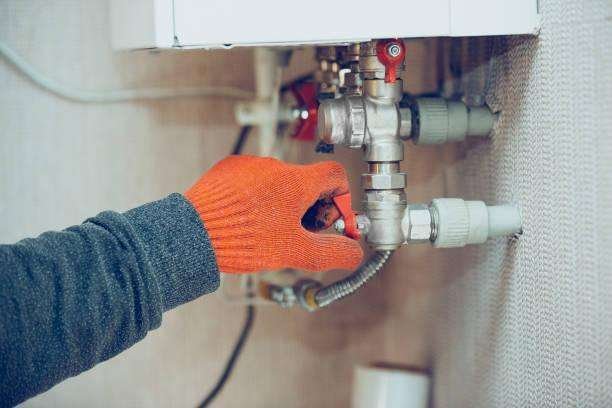
Keeping your central heating system in good shape is one of the smartest things you can do as a UK homeowner. Regular maintenance reduces energy bills, prevents costly boiler breakdowns, and keeps your home Gas Safe compliant. In short: bleed radiators annually, get your boiler serviced every year, check pressure monthly, and call a Gas Safe engineer if anything feels wrong.
Key actions at a glance:
- Bleed radiators once a year (before winter is ideal)
- Keep boiler pressure between 1.0 and 1.5 bar when cold
- Book an annual boiler service with a Gas Safe-registered engineer
- Flush the system every 5 to 6 years to remove sludge
- Install a smart thermostat to cut energy waste
Ready to book a Gas Safe engineer near you? Find a trusted heating engineer at besthommes.co.uk
Why Central Heating Maintenance Matters in the UK

UK winters are long, damp, and unpredictable. Your central heating system works harder here than in most other European countries, making regular upkeep essential, not optional.
The numbers back this up. Boiler breakdowns at the wrong time can cost hundreds of pounds in emergency call-out fees alone. Preventative maintenance, by contrast, costs a fraction of that and keeps everything running safely year-round.
There are also legal angles to consider. Under the Gas Safety (Installation and Use) Regulations 1998, UK landlords must arrange an annual gas safety check by a Gas Safe registered engineer for every rental property with a gas appliance. Homeowners are not legally required to do the same, but it is strongly recommended by the Health and Safety Executive (HSE) and boiler manufacturers alike.
Skipping annual servicing also voids most boiler warranties, which could leave you exposed to repair bills running into thousands of pounds.
Annual Boiler Service: What You Need to Know
How often should you service your boiler?
Once every 12 months. This is the standard recommended by boiler manufacturers, the Gas Safe Register, and the Energy Saving Trust.
What does a boiler service include?
A qualified engineer will:
- Inspect the boiler casing and internal components
- Check the flue and ventilation for safety
- Test gas pressure and all safety devices
- Clean burners and the heat exchanger
- Look for signs of corrosion, leaks, or wear
- Run a full combustion analysis
A standard gas boiler service takes around one to two hours.
Can you service your own boiler?
No. Only a Gas Safe registered engineer can legally work on a gas boiler in the UK. Attempting a DIY service is both dangerous and illegal.
How to find a Gas Safe engineer:
Always verify an engineer’s Gas Safe registration before they start work. You can check credentials directly at gassaferegister.co.uk.

How to Check and Maintain Boiler Pressure
Low boiler pressure is one of the most common reasons a central heating system stops working properly. The good news is that checking it takes less than a minute.
What pressure should your boiler be at?
| System State | Ideal Pressure |
| Cold (heating off) | 1.0 to 1.5 bar |
| Hot (heating on) | Approximately 2.0 bar |
| Too high (needs attention) | Above 2.5 bar |
| Too low (needs topping up) | Below 1.0 bar |
How to top up boiler pressure:
Most modern combi boilers have a filling loop underneath the unit. Open both valves slowly until the pressure gauge reaches 1.5 bar, then close them. If pressure drops repeatedly, there may be a leak in the system, and you should call an engineer.
Signs your pressure is off:
- The boiler cuts out unexpectedly
- Radiators take a long time to heat up
- The boiler display shows a pressure error code
Radiator Maintenance Guide (Including How to Bleed Them)

How to Bleed a Radiator
Bleeding a radiator removes trapped air that stops hot water from circulating properly. It is a task most UK homeowners can do themselves, and it can noticeably improve heating efficiency.
You will need:
- A radiator bleed key (available from most DIY stores for around £1 to £2)
- A cloth or small container to catch drips
Step-by-step guide:
- Turn your heating on and let all radiators warm up fully.
- Feel each radiator: if the top is cold but the bottom is warm, it needs bleeding.
- Switch the heating off and let the radiators cool completely.
- Hold a cloth under the bleed valve at the top corner of the radiator.
- Insert the radiator key and turn it anti-clockwise slowly (usually no more than half a turn).
- You will hear a hiss as trapped air escapes. Do not fully remove the valve.
- When water starts to trickle out steadily, close the valve by turning clockwise.
- Repeat for all radiators that needed attention, starting with the one furthest from the boiler.
- Check your boiler pressure gauge afterwards. Bleeding often causes a slight drop, so top it up if it falls below 1.0 bar.
Cold Spots at the Bottom of Radiators
If a radiator is cold at the bottom but warm at the top, the problem is not trapped air. It is most likely sludge or magnetite build-up settling at the base. Bleeding will not fix this. A professional power flush is usually needed instead.
Balancing Radiators
If some rooms heat up faster than others, your radiators may need balancing. This involves adjusting the lockshield valves on each radiator to ensure even heat distribution. It is a job best left to a heating engineer if you are not confident.
Power Flushing: When You Need It and What It Costs

Over time, rust, sludge, and debris build up inside your heating system. This reduces efficiency, causes noisy pipes, and can shorten your boiler’s lifespan. Power flushing removes all of it.
Signs you may need a power flush:
- Cold spots at the bottom of multiple radiators
- Boiler making banging or kettling sounds
- Radiators are slow to heat up or heat unevenly
- Discoloured water when bleeding radiators
- Frequent boiler pressure drops
How much does a power flush cost in 2026?
For a 6 radiator system, you can expect to pay around £400. Costs vary depending on property size and sludge levels.
| Property Size | Estimated Cost (2026) |
| 2-bedroom flat | £320 to £360 |
| 3-bedroom flat | £415 to £455 |
| 2-bedroom house | £385 to £425 |
| 3-bedroom house | £475 to £535 |
| 4-bedroom house | £550 to £650 |
Most heating engineers recommend a power flush every five to six years.
A less intensive alternative is a chemical flush, which works well for systems in generally good condition with mild build-up. Ask your engineer which is right for your system before committing.
How to Improve Central Heating Efficiency
Improving your heating system’s efficiency does not always mean replacing the boiler. Several targeted upgrades can make a significant difference.
Install a magnetic filter (also called a Magna filter):
This device attaches to your boiler’s return pipe and captures sludge and magnetite before it circulates through the system. Fitting one during a new boiler installation is now considered best practice and is required by some boiler manufacturers to maintain warranty cover.
Upgrade to a smart thermostat:
Smart thermostats like Hive and Google Nest let you control your heating remotely and create precise heating schedules. They can reduce energy waste considerably. Since April 2018, the UK’s Boiler Plus regulations have required time and temperature controls on all new combi boiler installations, with smart or weather-compensating thermostats recommended as an advanced feature.
Add thermostatic radiator valves (TRVs):
TRVs let you control the temperature in individual rooms. Turn them down in rooms you rarely use and up where you spend most time. This stops energy from being wasted heating empty spaces.
Insulation:
No amount of heating upgrades compensates for a poorly insulated home. Loft insulation, cavity wall insulation, and draught-proofing all reduce the workload on your boiler. The Energy Saving Trust estimates that replacing an old G-rated boiler with a new A-rated condensing model in a typical semi-detached home could save up to £490 a year on energy bills.
Explore smart thermostat installation services at besthommes.co.uk
Common Central Heating Problems and How to Fix Them
Why are my radiators cold at the bottom?
This is caused by sludge or magnetite build-up settling at the base of the radiator. Bleeding will not help here. You need a power flush or chemical flush carried out by a qualified engineer. Adding a central heating inhibitor after flushing protects against future corrosion.
Why does my boiler keep losing pressure?
Pressure drops are often caused by a small leak in the pipework or radiators, or by air escaping after bleeding. Top the pressure up to 1.5 bar using the filling loop. If the pressure drops again within a few days, call a Gas Safe engineer to locate and fix the leak.
Why is my heating system making noise?
Banging, kettling, or gurgling sounds from the boiler or pipes usually point to limescale build-up (common in hard water areas), low water pressure, or trapped air. If bleeding radiators and topping up pressure do not solve it, a power flush or descaling treatment may be needed.
Why is one radiator not heating up at all?
Check that the thermostatic radiator valve (TRV) is not stuck closed. Try turning it to the highest setting. If the radiator is still cold, the valve itself may need replacing, or the system may need balancing. A heating engineer can diagnose this quickly.
When to Call a Gas Safe Engineer
Some issues are DIY-friendly. Others are not. Call a Gas Safe registered engineer immediately if you notice any of the following:
- A smell of gas anywhere in the home
- Carbon monoxide detector alarm triggering
- No heating or hot water despite the boiler appearing to run
- Boiler making a loud banging or continuous clicking noise
- Error codes appearing on your boiler display
- A yellow or orange boiler flame instead of blue
- Frozen condensate pipe (common in very cold UK winters)
- Radiators that cannot be fixed by bleeding or pressure top-up
If you smell gas: do not switch any lights or appliances on or off. Open windows, leave the property, and call the National Gas Emergency Service on 0800 111 999 immediately.
Reminder for landlords: Under the Gas Safety (Installation and Use) Regulations 1998, you are legally required to have a Gas Safety check carried out annually by a Gas Safe registered engineer, and to provide tenants with a copy of the certificate within 28 days. Failure to comply is a criminal offence.
Book a Gas Safe engineer through besthommes.co.uk
Central Heating Maintenance Costs UK 2026
Here is a clear summary of what you can expect to pay for common central heating maintenance tasks in 2026.
| Service | Typical UK Cost (2026) | Frequency |
| Annual boiler service | £85 to £120 | Every year |
| Gas safety check (landlords) | £40 to £120 | Every year |
| Power flush (3-bed house) | £475 to £535 | Every 5 to 6 years |
| Magnetic filter installation | £100 to £200 (approx.) | Once (ongoing filter cleaning) |
| Radiator bleeding | DIY (free) | Every 1 to 2 years |
| Boiler cover plan | £100 to £300 per year | Annual subscription |
Is annual servicing worth it?
Yes. Regular boiler servicing solves small problems early, preventing costly breakdowns over time. The average boiler service costs around £85 to £120. An emergency call-out, repair, or early boiler replacement costs significantly more. The maths is straightforward.
Free Central Heating Maintenance Checklist
Use this checklist to stay on top of your system throughout the year.
Monthly:
- Check boiler pressure gauge (should be 1.0 to 1.5 bar when cold)
- Listen for unusual boiler or pipe noises
- Check that all radiators are reaching temperature
Annually (before winter is best):
- Bleed all radiators
- Book a Gas Safe boiler service
- Check thermostat and TRVs are working correctly
- Test the carbon monoxide detector
Every 5 to 6 years:
- Power flush the system
- Replace or service the magnetic filter
- Review boiler efficiency and consider an upgrade if over 15 years old
Landlords only:
- Annual Gas Safety Certificate (CP12) by a Gas Safe engineer
- Provide tenants with a copy within 28 days of inspection
- Retain records for a minimum of two years
FAQ
How often should central heating be serviced in the UK?
Your boiler should be serviced once a year by a Gas Safe-registered engineer. Annual servicing keeps your system running safely and efficiently, reduces the risk of breakdowns, and protects your boiler manufacturer’s warranty. Skipping services often voids warranty cover entirely.
Can I service my boiler myself?
No. In the UK, only a Gas Safe-registered engineer can legally carry out work on a gas boiler. Attempting a DIY service is dangerous and illegal. You can, however, bleed radiators, check boiler pressure, and clean external vents yourself without needing a professional.
What pressure should a combi boiler be at?
A combi boiler should sit between 1.0 and 1.5 bar when the heating is switched off and cold. When the heating is running, pressure rises to around 2.0 bar. If pressure climbs above 2.5 bar or drops below 1.0 bar, it needs attention. Check your boiler manual for model-specific guidance.
How do I know if my central heating system needs power flushing?
The clearest signs are cold spots at the bottom of radiators, gurgling or banging noises from the boiler or pipes, slow heating, and dirty water when bleeding radiators. A Gas Safe engineer can test the water quality to confirm whether a power flush is necessary before you commit to the cost.
Do bleeding radiators save money?
Yes. Trapped air in radiators forces your boiler to work harder to reach the same temperature. Removing that air allows hot water to circulate freely, improving efficiency and reducing energy consumption. It is a free DIY task that takes around five minutes per radiator and can noticeably lower your heating bills over the winter.