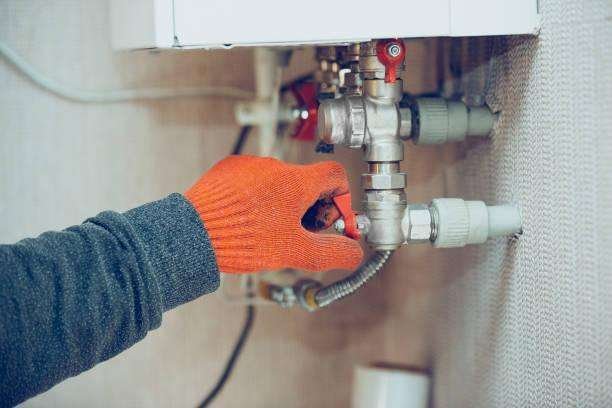
A gas safety check is an annual inspection of all gas appliances, flues and pipework in a property, carried out by a Gas Safe registered engineer. In the UK, it is a legal requirement for landlords and a strongly recommended best practice for homeowners. It protects against gas leaks, explosions and carbon monoxide poisoning, which kills around 7 people every year from gas appliances and flues that have not been properly installed, maintained or ventilated. On completion, the engineer issues a CP12 certificate confirming all appliances are safe to use.
Quick Summary:
- Annual checks are legally required for all UK rental properties
- Only a Gas Safe-registered engineer can carry out the inspection
- The CP12 certificate must be given to tenants within 28 days
- Homeowners are not legally required to get one, but it is strongly recommended
- Typical cost: £60 to £120, depending on location and number of appliances
Ready to book your annual gas safety inspection? Get a Gas Safe registered engineer in Wolverhampton.
What Is a Gas Safety Check and Why Does It Matter?
What Is a Gas Safety Check?

A gas safety check is a formal inspection of every gas appliance, flue and associated pipework in a property. A Gas Safe registered engineer tests each appliance for safe operation, checks for leaks, inspects ventilation and confirms all safety devices are functioning correctly.
It is not the same as a boiler service.
A boiler service is a maintenance procedure that cleans internal components and optimises performance. A gas safety check focuses purely on whether appliances are safe to operate. Many engineers offer both at the same visit, which is often the most cost-effective option.
Why Gas Safety Checks Are Essential
Gas appliances that are poorly maintained or incorrectly fitted can produce carbon monoxide, a gas that has no colour, smell or taste. According to ONS data, there are an average of over 60 deaths every year in England and Wales due to accidental carbon monoxide exposure, with up to 45% occurring in the home. The Department of Health and Social Care reports that around 4,000 cases of carbon monoxide poisoning are treated in A&E departments across England each year.
Beyond health risks, failing to comply with UK gas safety regulations exposes landlords to serious legal consequences, including fines, prosecution and the inability to serve a Section 21 notice.
UK Gas Safety Regulations and Legal Requirements
Gas Safety (Installation and Use) Regulations 1998 (GSIUR)
The legal framework governing gas safety in the UK is the Gas Safety (Installation and Use) Regulations 1998, commonly referred to as GSIUR. The law requires that all gas appliances, flues and associated pipework in a rented property be checked at least once every twelve months.
All gas work, including safety checks, must be carried out by a Gas Safe registered engineer. Using an unregistered engineer is illegal and puts lives at risk.
GSIUR requires a landlord to retain the last two years of Landlord Gas Safety Records. If records are incomplete, the renewal date is calculated as 12 months from the date of the last safety check.
Landlord vs Homeowner Responsibilities
UK law draws a clear distinction between landlords and homeowners when it comes to gas safety.
Landlords:
- You must ensure that a gas safety check is done every year on each gas appliance and flue.
- Landlords must provide tenants with a record of the annual gas safety check within 28 days of the inspection being completed, or to new tenants before they move in.
- Landlords must keep copies of the gas safety record for two years.
- From 1 October 2022, a CO alarm is required to be fitted in every habitable room of a rental property containing gas appliances, excluding appliances used for cooking purposes in England, Scotland and Northern Ireland.
Homeowners:
- There is no legal obligation to obtain a gas safety certificate if you own and occupy your home.
- Annual checks are strongly recommended for safety and peace of mind.
- Some home insurance policies may require evidence of regular gas checks to remain valid.
Enforcement: The Health and Safety Executive (HSE) enforces gas safety compliance for landlords. Failing to carry out annual gas safety checks can result in invalidation of landlord insurance and the inability to evict tenants under a Section 21 notice. In serious cases, prosecution and imprisonment are possible, particularly where tenant harm occurs.
What Happens During a Gas Safety Check?
Understanding the process helps you prepare and know what to expect on inspection day.
Before the Inspection
Pre-Inspection Preparation Checklist:
- Ensure all gas appliances are accessible and not obstructed by furniture or clutter.
- Locate and have ready any previous gas safety records or CP12 certificates.
- Make sure the gas meter is accessible.
- Inform tenants of the inspection date well in advance.
- Confirm the engineer is Gas Safe registered by checking their ID card or visiting www.gassaferegister.co.uk
During the Inspection
Meter and Installation Checks
The engineer begins by checking the gas meter, pipework and emergency control valve. Key checks include:
- Tightness test: The engineer pressurises the gas system and checks for pressure drop to detect any leaks in pipework.
- Emergency control valve: Confirmed to be accessible, correctly labelled and working.
- Pipework condition: A visual inspection of pipework as far as reasonably practicable to identify signs of corrosion, damage or unsafe routing.
Appliance Safety Tests
For each gas appliance present, the engineer carries out the following:
- Checks that each appliance is correctly installed and burning gas safely
- Tests operating pressure against the manufacturer’s specifications
- Performs combustion analysis to measure the quality of gas burning
- Inspects burner pressure and gas rate
- Examines ventilation to confirm adequate air supply to the appliance
- Checks the flue flow to ensure combustion gases are being safely expelled outside
Appliances typically covered include:
- Gas boiler
- Gas cooker or hob
- Gas fire (open, inset or room sealed)
- Gas wall heater or back boiler
Safety Devices and CO Detection
The engineer confirms that all safety devices are functioning correctly. This includes:
- Flame failure devices: These cut off the gas supply if the flame goes out, preventing unburnt gas from escaping.
- Pressure relief valves: Checked on boilers to ensure they release safely if pressure builds too high.
- Carbon monoxide alarm placement: Before purchasing a CO alarm, always ensure it complies with British Standard EN 50291 and carries a British or European approval mark such as a Kitemark. Alarms should be positioned at head height on the wall or ceiling, in the same room as the appliance.
After the Inspection
Once all checks are complete, the engineer will:
- Issue your CP12 certificate on the spot if all appliances pass.
- Clearly explain any defects found and their severity.
- Advise on recommended next steps if repairs are needed.
- Record the outcome of each appliance on the safety record.
If an appliance is labelled At Risk or Immediately Dangerous, the engineer will either isolate or disconnect it to prevent use until repairs have been completed.
UK Gas Safety Checklist
Use this checklist to stay organised before, during and after your annual inspection.
Pre-Inspection Preparation Checklist
- Booked a Gas Safe-registered engineer
- Verified engineer credentials on the Gas Safe Register
- All gas appliances are accessible
- The previous CP12 certificate is available for reference
- Gas meter location is clear and accessible
- Tenants have been notified of the inspection date
- CO alarms are fitted and in working order
Engineer Inspection Checklist
- Gas-tightness test carried out on the full system
- The emergency control valve is inspected and is working
- Pipework was visually checked for condition
- Each appliance is tested for safe operation
- Combustion performance is tested on each appliance
- Flue inspected for blockages and correct flow
- Ventilation was assessed for each appliance
- Safety devices tested and confirmed working
- CO alarm presence and positioning noted
Post-Check Actions and Documentation Checklist
- The CP12 certificate was received from the engineer
- Certificate provided to tenants within 28 days
- Copy of certificate retained by landlord for at least two years
- Any defects noted and a repair plan confirmed
- Re-inspection booked if appliances were isolated or disconnected
- Reminder set for next year’s annual inspection
CP12 Certificate Explained
What a CP12 Certificate Includes
The CP12, also known as the Landlord Gas Safety Record (LGSR), is the official document issued after a successful annual gas safety inspection. A gas safety certificate must include the address of the property, description of the locations of each inspected appliance and chimney or flue, and confirmation that the engineer examined each appliance.
It must also include:
- The name and registration number of the Gas Safe engineer
- The date of inspection
- The results for each appliance checked
- A statement confirming compliance with GSIUR 1998
How to Read Your Certificate
The results for each appliance on a CP12 fall into one of three categories:
| Classification | What It Means | Required Action |
| Safe | Appliance passed all checks | No action required |
| At Risk (AR) | Appliance has a minor defect | Repair required promptly |
| Immediately Dangerous (ID) | Appliance poses an immediate risk | Disconnected on the spot, repair urgently |
If any appliance is classified as At Risk or Immediately Dangerous, you must arrange repairs through a Gas Safe registered engineer before the appliance can be used again. A re-inspection will then be required.
Recordkeeping and Tenant Rights
A gas safety inspection can be performed in the two months before the expiry of the current certificate without invalidating the existing one. The new certificate will provide the landlord with 12 months of compliance from the expiry date of the previous certificate.
This two-month window gives landlords flexibility around scheduling without losing compliance time. For example, if your certificate expires on 1 June, you can book the new inspection from 1 April onwards.
Tenants have the right to receive a copy of the current CP12 before they move in, or within 28 days of each annual check. If a tenant requests the current or previous year’s record, you must be able to produce it.
Need help staying on top of annual gas safety deadlines? Book your inspection now and keep your property compliant year-round. besthommesco.uk
Gas Safety Check Costs in the UK
Typical UK Cost Ranges
A benchmark price for a gas safety certificate in the UK in 2025 is between £60 and £120 for a standard-sized domestic property with one to two gas appliances. It may rise to £80 to £150 for a larger property with a standard number of gas appliances.
If a property has multiple gas appliances such as a boiler, gas hob or fire, the cost typically increases by £20 to £40 per additional appliance.
| Property Type | Typical Cost Range |
| 1 appliance (boiler only) | £60 to £90 |
| 2 to 3 appliances | £90 to £130 |
| Larger property, 4+ appliances | £130 to £150+ |
| London and South East | Add £20 to £30 above national rates |
| Emergency or same day call out | £150 to £200+ |
These are approximate figures. Gas Safe Register recommends getting at least three quotes from companies before arranging for the check to be carried out.
Best Time to Book
Avoid booking in autumn and early winter when engineers are in peak demand for boiler breakdowns. Summer months, particularly June to August, tend to offer better availability and sometimes lower prices. Booking early also lets you combine the gas safety check with an annual boiler service, which many engineers offer as a discounted package.
Common Issues
What if my gas safety check fails?
If one or more appliances fail, the engineer will record each issue on the CP12 certificate with a classification of At Risk or Immediately Dangerous. Landlords must take prompt action to correct any defect shown on the safety check record if it was not rectified at the time of the safety check. You must arrange repairs through a Gas Safe-registered engineer and then book a re-inspection before tenants can use the affected appliance.
Do they check radiators during a gas safety inspection?
No. Radiators are not gas appliances. They are part of the central heating water circuit and are not checked during a gas safety inspection. The gas safety check covers the boiler that heats the water, but not the radiators, pipes or valves connected to it.
Does a new boiler installation require a gas safety check?
Yes. When a new boiler or gas appliance is installed, the Gas Safe registered engineer must carry out a commissioning check and issue a record of that work. This does not replace the annual gas safety check, which must still be completed on the same 12-month cycle as any other gas appliance.
What is the difference between a gas safety check and a boiler service?
A gas safety check tests whether your appliances are safe to operate and produces a legal CP12 certificate. A boiler service is a maintenance procedure that cleans and checks internal boiler components to keep it running efficiently. They serve different purposes, although many engineers will carry out both during the same visit.
Can a landlord carry out a gas safety check themselves?
No. All installation, maintenance and safety checks need to be carried out by a Gas Safe registered engineer. Only a qualified, registered engineer is legally permitted to carry out the inspection and issue a CP12 certificate.
Gas Safety Signs and Emergency Actions
Signs of a Gas Leak
If you suspect a gas leak, act immediately. Common indicators include:
- A strong smell of gas (similar to rotten eggs, added as a warning odorant)
- A hissing or whistling sound near gas pipework or appliances
- Dead or discoloured vegetation near buried gas pipes outside
- Bubbling in standing water near pipework
Carbon Monoxide Symptoms
Carbon monoxide poisoning is often confused with the flu or food poisoning because the symptoms are similar. Key warning signs include:
- Headache, particularly when at home and better when outside
- Nausea, dizziness or feeling faint
- Confusion or difficulty concentrating
- Shortness of breath
- Flu-like symptoms without a raised temperature
In extreme cases, prolonged exposure to carbon monoxide can cause paralysis and brain damage.
What to Do in a Gas Emergency
If you smell gas or suspect a carbon monoxide leak:
- Do not operate any light switches or electrical appliances
- Extinguish all naked flames
- Open all doors and windows immediately
- Turn off the gas supply at the emergency control valve near the meter
- Leave the property straight away
- Call the National Gas Emergency Service on 0800 111 999 (free, 24 hours a day)
- Call 999 if you or anyone in the property feels unwell
- Do not re-enter the property until it has been declared safe by a professional
If you think someone is suffering from carbon monoxide poisoning, call 999 immediately and move them into fresh air.
Landlord Gas Safety Check Guide: Geographic Considerations
Gas Safety Check Costs by UK Region
Costs vary significantly depending on where your property is located. Engineers in London and the South East charge more due to higher operating costs. In London, the average gas safety test cost typically ranges from £70 to £120, while other regions of the UK generally fall between £50 and £90.
If you manage multiple properties in the same area, many engineers offer reduced rates per property. Always verify credentials before booking, regardless of price.
Finding a Gas Safe Engineer Near You
The safest and most reliable way to find a qualified engineer is through the official Gas Safe Register at www.gassaferegister.co.uk. You can search by postcode and filter by the type of work you need. Always ask to see the engineer’s Gas Safe ID card before allowing them to start work. The card shows their unique licence number, the types of gas work they are qualified to carry out and their expiry date.
Conclusion
Gas safety is not something to leave to chance. For landlords, the annual gas safety check is a legal obligation that protects your tenants, your property and your legal standing. For homeowners, it is one of the most straightforward ways to protect their household from the invisible dangers of carbon monoxide and gas leaks.
The cost of an annual inspection is small compared to the potential consequences of non-compliance or neglect. A typical check costs between £60 and £120, takes under an hour and gives you a year of certified peace of mind.
Always use a Gas Safe registered engineer. Always provide tenants with their CP12 certificate within 28 days. Always keep your records for at least two years.
Book your annual gas safety check today with a Gas Safe registered engineer. Protect your tenants, your property and your legal compliance in one straightforward appointment.
Frequently Asked Questions
How often is a gas safety check required for a UK rental property?
A gas safety check is required every 12 months for every gas appliance and flue in a rented property. A Gas Safe-registered engineer must complete the inspection. Landlords can schedule the check-up up to two months before the current certificate expires without losing any compliance time.
What is a CP12 certificate, and how long is it valid?
A CP12 certificate is the official Landlord Gas Safety Record issued after a successful annual gas safety inspection. It is valid for 12 months from the date of issue. Landlords must provide a copy to tenants within 28 days and retain copies for at least two years.
How much does a gas safety check cost in the UK in 2026?
For a standard property with one or two appliances, expect to pay between £60 and £120. Larger properties or those in London may cost more. Additional appliances are typically charged at £10 to £40 each. Always get at least three quotes and confirm the engineer is Gas Safe registered.
What happens if a landlord does not have a valid gas safety certificate?
Without a valid CP12, landlords face HSE enforcement action, potential fines and prosecution. They may also be unable to serve a Section 21 notice to end a tenancy and could have their landlord insurance invalidated. In cases where tenant harm occurs, criminal charges are possible.
Do homeowners legally need a gas safety check?
No, there is no legal requirement for homeowners to obtain a gas safety certificate for a property they live in themselves. However, annual checks are strongly recommended by the HSE and Gas Safe Register to ensure appliance safety and maintain home insurance validity.