Stop Damp in Its Tracks — Here Is What You Need to Know
Damp walls in a Wolverhampton home are not just an eyesore. They damage plaster, rot timber, trigger black mold, and affect your family’s health. Damp problems fall into three main types: rising damp, penetrating damp, and condensation. Each needs a different damp wall
treatment. The right fix depends on an accurate diagnosis first.
Quick signs you have a damp problem:
● Peeling paint or bubbling wallpaper
● Tide marks or damp patches on walls
● Musty smells in rooms
● Black mould on walls or ceilings
● Crumbling plaster or skirting boards
Book a free damp survey with our Wolverhampton specialists today — call +44 7852 961732 or get a free quote at BestHommes.
What Causes Damp Walls in Wolverhampton Homes?
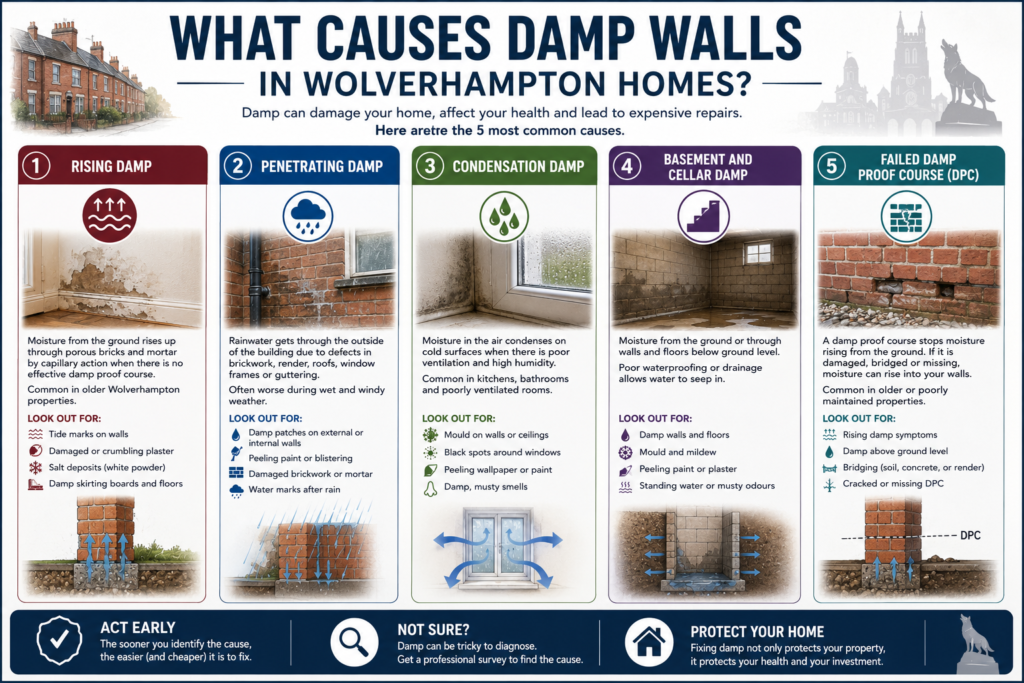
Wolverhampton has a large proportion of pre-1950s housing stock across areas like Bilston, Wednesfield, and Tettenhall. Many of these older properties either lack a damp proof course entirely or have one that has degraded over decades.
Understanding the cause is the only way to choose the right treatment.
Rising Damp
Rising damp happens when ground moisture travels upward through the masonry of a wall via capillary action. It is most common in older properties where the original damp-proof course has failed or was never installed.
You will usually spot it low on a wall — typically within the first metre. Tide marks, flaking plaster, and hygroscopic salts left behind on the wall surface are classic signs.
Penetrating Damp
Penetrating damp enters from the outside. Cracked brickwork, damaged pointing, leaking gutters, and faulty roofing are the usual culprits. Water works through the external wall and soaks into the internal surface.
Unlike rising damp, penetrating damp patches can appear at any height on a wall, not just near the floor.
Condensation Damp
Condensation is the most common form of damp in UK homes. Warm, moisture-laden air from cooking, showering, or drying clothes hits a cold wall surface and turns to water. Over time, this creates black mould growth and deteriorates internal plaster.
Poor ventilation is the primary cause. Wolverhampton properties with single-glazed windows or blocked air bricks are especially vulnerable.
Basement and Cellar Damp
Properties in parts of Wolverhampton with older cellar structures often suffer from hydrostatic pressure — water pushing through the walls from the surrounding ground. Without a cellar tanking system in place, water ingress can be severe and persistent.
Failed Damp Proof Course (DPC)
A DPC is a physical or chemical barrier installed in the wall to stop moisture from rising. Over time, physical DPCs can crack, bridge, or degrade. When this happens, rising damp returns. Chemical injection is now the standard method for repairing a failed DPC.
Common Signs of Damp Walls
Spotting damp early saves money. The longer it is left, the more structural damage it causes — and the more expensive the repair becomes.
Peeling Paint and Wallpaper
When moisture builds up behind a wall surface, it pushes outward. Paint bubbles and peels. Wallpaper lifts at the edges and seams. This is often the first visible sign of internal wall moisture.
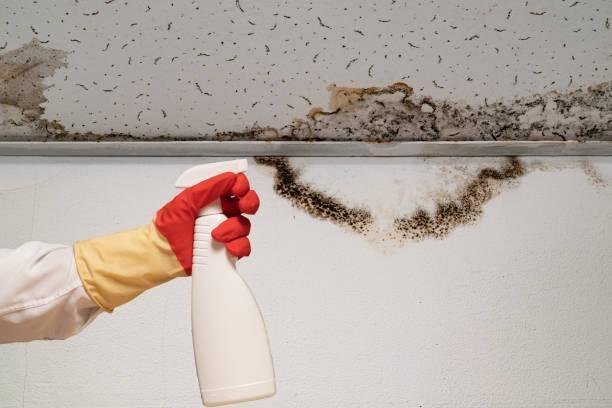
Black Mould Growth
Black mould (Aspergillus niger and Cladosporium) thrives in damp, poorly ventilated spaces. According to NHS guidance, prolonged exposure to black mould spores can cause respiratory problems, allergic reactions, and worsen asthma — especially in children and the elderly.
Damp Patches and Tide Marks
Yellow or brown staining on walls — known as tide marks — is caused by hygroscopic salts left behind as moisture evaporates. These salts continue to attract moisture from the air, which is why simply repainting over the problem never works long-term.
Musty Smells
A persistent musty smell in a room is often the first sign people notice. Mould spores and damp organic material cause it. If a room smells musty even after airing it out, you have a hidden damp problem.
Crumbling Plaster and Skirting Boards
Salt contamination from rising damp breaks down the binding agents in plaster, causing it to crumble and blow off the wall. Wet rot in skirting boards is also common where rising damp is active at the base of a wall.
Types of Damp Wall Treatments
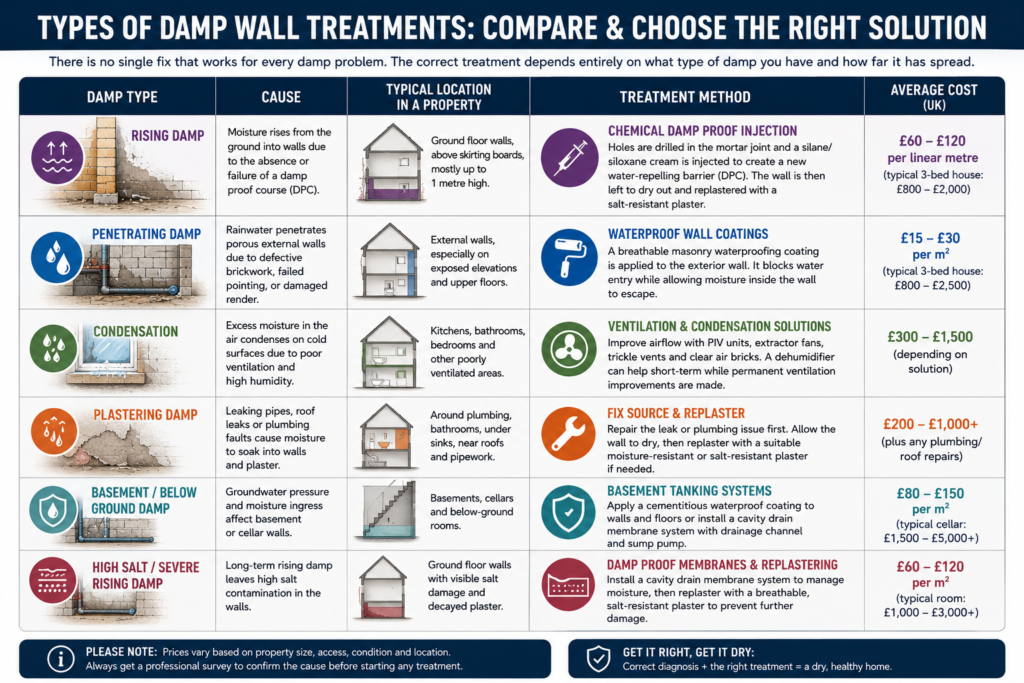
There is no single fix that works for every damp problem. The correct treatment depends entirely on what type of damp you have and how far it has spread.
Chemical Damp Proof Injection
This is the most common treatment for rising damp in Wolverhampton properties. A specialist drills a series of 12mm holes into the mortar joint near the base of the wall, then injects a silane or siloxane-based cream. The chemical disperses through the masonry and cures into a water-repelling barrier — effectively creating a new DPC.
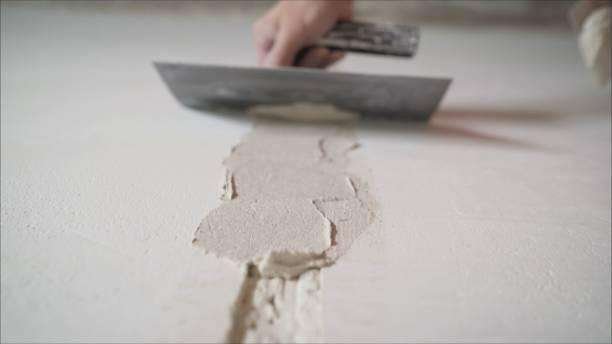
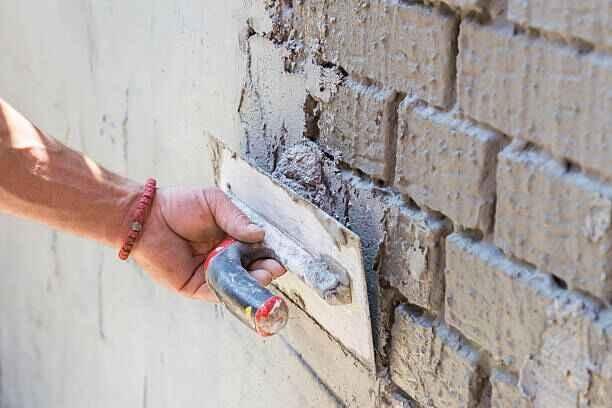
The wall then needs to dry out fully before replastering with a salt-resistant plaster to prevent salt contamination from affecting the new surface.
Damp Proof Membranes
Where walls are heavily salt-contaminated or in below-ground spaces, a cavity drain membrane is fixed directly to the wall. This channels any moisture that passes through down into a drainage channel and away from the living space. It does not stop water from entering the wall, but it controls where it goes.
Replastering After Damp Treatment
Standard plaster is porous and will absorb salts left behind by rising damp. Replastering with a breathable, salt-resistant plaster (often a hydraulic lime or specialist sand and cement mix with a salt-resistant additive) is essential after any damp treatment. Skipping this step is the number one reason damp treatments appear to fail.
Waterproof Wall Coatings
For penetrating damp caused by porous external brickwork, a masonry waterproofing coating can be applied externally. These breathable coatings allow the wall to release moisture from within while blocking water entry from outside.
Basement Tanking Systems
For cellars and basements, tanking involves applying a cementitious waterproofing compound to the internal walls and floor, or installing a cavity drain membrane system. This creates a waterproof barrier that keeps basement spaces dry even under hydrostatic pressure.
Ventilation and Condensation Solutions
Condensation is treated by improving airflow, not by treating the walls themselves. Solutions include positive input ventilation (PIV) units, extractor fans in kitchens and bathrooms, trickle vents, and clearing blocked air bricks. A dehumidifier can help as a short-term measure while permanent ventilation improvements are made.
Damp Proofing Costs in Wolverhampton
Costs vary based on the type of damp, the size of the affected area, and whether replastering or structural repairs are required. Here are realistic 2026 price ranges based on verified UK market data:
| Treatment | Typical Cost Range |
| Damp survey | £150 to £400 |
| Rising damp injection (per linear metre) | £50 to £70 |
| Full rising damp treatment (3-bed house) | £1,000 to £3,000 |
| Penetrating damp repair | £400 to £2,000 |
| Replastering after damp treatment (per room) | £300 to £500 |
| Basement tanking | £2,500 to £7,500 |
| Condensation control (ventilation installation) | £200 to £600 |
These figures are guidelines. An accurate quote requires a professional damp survey of your specific property.
Rising Damp Treatment Guide
What Is Rising Damp?
Rising damp is groundwater moving upward through the pores of masonry walls due to capillary action. All UK homes built after 1875 should have a damp proof course, but even modern DPCs can degrade and fail over time.
Symptoms of Rising Damp
The key signs are damp patches confined to the lower section of a wall, typically no higher than one metre. You will often see yellow or brown tide marks at the upper limit of the rising moisture, along with white salt deposits on the wall surface.
Best Rising Damp Treatments
Chemical damp proof injection is the most widely used and effective treatment. The silane cream injected into the wall cures into a hydrophobic barrier that stops moisture from rising any further. After injection, any salt-contaminated plaster must be removed and replaced with salt-resistant plaster — otherwise the salts already in the wall will continue to attract moisture.
Rising Damp Prevention Tips
Keep external ground levels below the DPC line. Clear any soil or debris that has built up against the base of external walls. Ensure air bricks remain clear and unblocked. Check gutters and downpipes regularly — an overflowing gutter can feed ground moisture directly to the base of a wall.
Penetrating Damp Repair Guide
Causes of Penetrating Damp
Penetrating damp nearly always has a specific, identifiable source. Common causes include cracked or porous brickwork, failed pointing in mortar joints, damaged or blocked gutters, flat roof defects, leaking window frames, and cavity wall bridging caused by debris.
Roof and Gutter Problems
A blocked or cracked gutter does not just cause water to pour down the outside of a wall. Over weeks and months, it saturates the masonry below, and the moisture works its way through to internal surfaces. Regular gutter maintenance is one of the simplest ways to prevent penetrating damp.
Cracked Brickwork Issues
In the West Midlands, freeze-thaw cycles during winter can open up existing hairline cracks in brickwork. Water gets in and, once temperatures drop, expands as it freezes — widening the crack further. Repointing damaged mortar joints and sealing cracked brickwork are the most direct repairs.
External Waterproofing Solutions
For walls where the brickwork itself is sound but porous, a breathable masonry waterproofing coating applied to the external face of the wall can block water ingress. These products allow water vapour to escape from inside the wall while preventing rain from entering.
Condensation and Black Mould Treatment
Why Condensation Happens
Every household produces moisture — on average, a family of four generates around 10 to 15 litres of water vapour per day through breathing, cooking, bathing, and drying clothes. When this warm, moist air meets a cold wall or window surface, it condenses into water. Repeat this daily, and mould follows.
How to Stop Black Mould
Black mould cannot survive without moisture. Removing the moisture source is the only permanent fix. Treat existing mould with a specialist anti-fungal solution before addressing the cause. Do not paint over mould — it will come back within weeks.
Ventilation Improvements
Fitting extractor fans in kitchens and bathrooms, ensuring trickle vents on window frames are open, and keeping air bricks clear all make a measurable difference. For properties with persistent condensation throughout the home, a positive input ventilation (PIV) unit fitted in the loft is often the most effective whole-house solution.
Dehumidifier Solutions
A good quality dehumidifier can remove several litres of moisture from the air each day and is useful while permanent ventilation improvements are in progress. It is a short-term solution, not a permanent fix on its own.
DIY Damp Wall Treatments vs Professional Damp Proofing
Temporary DIY Damp Fixes
Some mild condensation issues can be managed with improved ventilation, anti-mould paint, and dehumidifiers. Clearing gutters and repointing small areas of cracked mortar are also reasonable DIY tasks if you are confident with basic building maintenance.
However, DIY products sold for rising damp treatment have a poor track record. Applying damp-proof paint to a wall affected by rising damp will not stop the moisture — it will simply push the water to find another exit point.
When to Hire a Damp Specialist
If you have visible tide marks, salt deposits, blowing plaster, or damp patches that keep returning, you need a professional survey. A qualified specialist can use a moisture meter and thermal imaging equipment to pinpoint the exact source — something no surface treatment can replicate.
Look for specialists with Property Care Association (PCA) qualifications — specifically the Certificate in Remedial Waterproofing (CSRT) or Certificate in Structural Waterproofing (CSSW).
Risks of Ignoring Damp Problems
Untreated damp causes timber rot, damages structural elements, reduces property value, and creates serious health risks from mould exposure. A problem that costs £500 to fix today can become a £5,000 structural repair job within two to three years if left alone.
How to Prevent Damp Walls
Prevention is always cheaper than treatment. A few simple maintenance habits protect most properties from the most common damp problems.
Improve ventilation. Open windows when cooking or showering. Ensure extractor fans are working. Clear any blocked air bricks around the base of external walls.
Maintain gutters and roofs. Check and clean gutters at least twice a year. Replace cracked or missing roof tiles promptly. A maintained roof is one of the most effective defences against penetrating damp.
Reduce indoor moisture—dry clothes outside where possible. Use pan lids when cooking. Avoid using paraffin or bottled gas heaters indoors — they produce large amounts of water vapour.
Prevent condensation build-up. Keep rooms above 15°C. Thermal insulation helps maintain wall surface temperatures above the dew point, reducing the risk of condensation forming on internal walls.
Damp Treatment Service Areas Around Wolverhampton
BestHommes provides damp proofing across Wolverhampton and the wider West Midlands and Black Country region. We cover damp proofing in Wolverhampton city centre and residential areas throughout the borough.
Our service area includes damp treatment in Bilston, rising damp repairs in Wednesfield, damp surveys in Codsall, and specialist damp treatment in Tettenhall. We also carry out mould removal in Dudley, damp repair in Walsall, and condensation control in Cannock.
If you are in the West Midlands and are unsure whether we cover your area, call us directly. Our surveyors operate across a wide radius from our Wolverhampton base and can usually arrange a survey within a few days.
FAQs About Damp Wall Treatment
How do you permanently treat damp walls?
Permanent damp wall treatment starts with identifying the cause through a professional survey. Rising damp is fixed with chemical damp proof injection, followed by replastering with salt-resistant plaster. Penetrating damp is resolved by repairing the external defect, letting water in. Condensation is permanently controlled through improved ventilation. No surface paint or coating alone is a permanent fix.
What is the best damp proofing method?
The best method depends on the type of damp. Chemical damp proof injection is the most effective treatment for rising damp. External waterproofing and repointing work best for penetrating damp. Positive input ventilation is the most reliable long-term solution for condensation. A professional damp survey identifies which treatment is correct for your specific property.
Is black mould dangerous?
Yes. NHS guidance confirms that damp and mould exposure can cause respiratory infections, allergic reactions, and worsen existing conditions such as asthma and eczema. Children, the elderly, and people with existing health conditions are most at risk. Treating the damp causing the mould is essential, not just cleaning the mould itself off the surface.
How long does damp proofing last?
A professionally installed chemical damp proof injection, when correctly applied and followed by appropriate replastering, typically comes with a 20-year guarantee from reputable contractors. The longevity of any damp proofing treatment depends on the quality of workmanship and whether all related defects (such as gutters or cracked pointing) were also repaired at the same time.
Do I need a damp survey before treatment?
Yes. A professional damp survey is essential before any treatment begins. Without one, there is a real risk of applying the wrong treatment to the wrong type of damp, which wastes money and leaves the problem unsolved. A damp survey in Wolverhampton typically costs between £150 and £400 and will identify the source, type, and extent of the problem accurately.