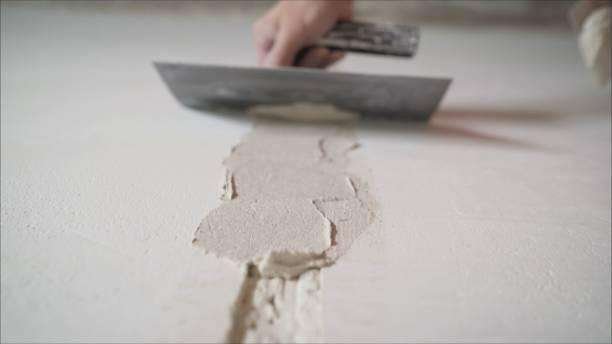
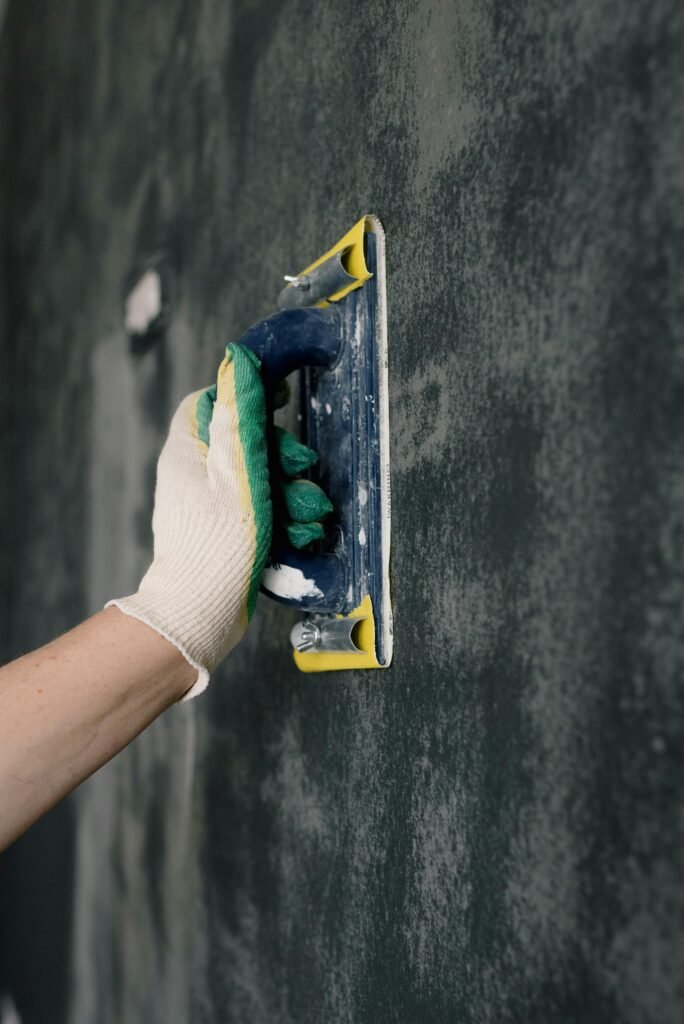
If you are planning a renovation in Wolverhampton and wondering whether you need plastering or skimming, you are not alone. Many homeowners use these terms interchangeably, but they are not the same thing.
Plastering involves building up or repairing a wall surface with multiple layers of plaster. Skimming applies a thin finishing coat over an existing surface to create a smooth, paint-ready finish. The right choice depends on the condition of your walls.
Key differences at a glance:
- Plastering is used on bare brick, damaged walls or new builds
- Skimming is used on plasterboard or stable existing plaster
- Plastering costs more and takes longer
- Skimming is faster and more affordable
- Both require a skilled tradesperson for a quality result
Ready to get started? Contact a local Wolverhampton plastering expert today for a free quote.
What Is Plastering?
Plastering is the process of applying one or more layers of plaster to a wall or ceiling to create a solid, smooth, durable surface. It is used where a surface needs to be built up from scratch or significantly repaired.
Common materials used in plastering:
- Gypsum plaster (most common in modern UK homes)
- Cement render (often used for external walls or damp environments)
- Lime plaster (used in older or period properties)
Plastering typically involves two stages. First, a base or backing coat is applied to create a foundation. Then a finishing coat is added on top. The combined thickness can range from 10mm to 25mm, depending on the surface condition.
Where is plastering used?
- Bare brick or blockwork walls in new builds
- Walls that have been stripped back during renovation
- Heavily damaged surfaces with deep cracks or uneven masonry
- Ceilings that need full structural repair
The main benefits of full plastering include strength, durability, and improved insulation when combined with the right materials. It gives your walls a solid base that lasts for decades when done properly.
[Infographic idea: Cross-section diagram showing layers of a plastered wall, from brick through backing coat to finishing coat]
[Image placeholder: Plasterer applying base coat to a brick wall | Alt text: Professional plasterer applying gypsum backing coat to bare brick wall in Wolverhampton home]
What Is Skimming?
Skimming is a plastering technique where a thin coat of finishing plaster, usually 2 to 5mm thick, is applied over an existing surface. The goal is to create a perfectly smooth finish ready for painting or wallpapering.
Unlike full plastering, skimming does not build up the wall. It refines what is already there.
Ideal surfaces for skimming:
- Plasterboard (used widely in modern UK builds)
- Existing plaster is in good structural condition
- Walls with minor surface imperfections or blemishes
- Ceilings after patch repairs
Skimming is a popular choice for home refurbishments because it is quicker and more cost-effective than a full replaster. It is also the go-to method when preparing walls for decoration in lightly renovated rooms.
One important point: skimming is technically a part of the plastering process, but it is not the full thing. Think of plastering as the foundation and skimming as the final polished layer.
Plastering vs Skimming: The Core Differences
Here is a straightforward comparison to help you decide which one you need:
| Feature | Plastering | Skimming |
| Purpose | Build or repair the surface | Refine existing surface |
| Thickness | 10mm to 25mm | 2mm to 5mm |
| Best for | Bare brick, damaged walls | Plasterboard, stable walls |
| Finish | Strong structural base | Super-smooth decorating finish |
| Time to complete | 2 to 4 days per room | 1 to 2 days per room |
| Average cost | Higher | Lower |
| Skill required | High | Moderate to high |
Commonly asked questions:
Is skimming the same as plastering? No, but skimming is a type of plastering technique. Full plastering involves building up a surface, while skimming only refines it.
Can skimming replace plastering? Only if the wall structure beneath is sound. Skimming over a cracked, damp or unstable surface will fail. In that case, full plastering is essential.
When Should You Choose Plastering?
Full plastering is the right choice when the wall or ceiling needs significant work. Here are the clearest signals:
Choose plastering when:
- You are working on a new build or major extension
- Walls have been stripped back to bare brick or blockwork
- There is significant damage, such as deep cracks, holes or blown plaster
- You are tiling a kitchen or bathroom and need a strong, even base
- Damp has caused the existing plaster to crumble or separate
In Wolverhampton, many older terraced and semi-detached properties have solid brick walls that require proper plastering when renovated. Lime-based plasters may also be recommended for period homes to allow the walls to breathe properly.
When Is Skimming the Right Choice?
Skimming makes sense when the underlying surface is already structurally solid and just needs a smooth, paint-ready finish.
Choose skimming when:
- You have installed new plasterboard and need a smooth finish
- Your walls have minor surface blemishes or old paint that needs a fresh layer
- You are lightly refurbishing a room, and the existing plaster is intact
- You want to prepare walls for painting or wallpapering quickly
- You are freshening up ceilings after minor repairs
Skimming plasterboard in Wolverhampton is extremely common in newer properties and extensions. It is also a popular option for homeowners updating a room without a full strip-back renovation.
How Long Does It Take: Skimming vs Plastering?
Time is one of the clearest practical differences between the two processes.
Skimming: A professional can typically skim an average-sized room in one to two days. Fresh plaster usually takes 3 to 5 days to dry in normal conditions. A thin 2 to 3mm skim coat over plasterboard will dry much faster than a thick backing coat of bonding plaster applied to bare brick.
Plastering: Full plastering takes longer at both the application and drying stages. It will take between 2 and 4 days to plaster a room, depending on its size. For thicker multi-coat work, drying can take longer.
What affects drying time?
- Room temperature: warmer rooms dry faster, but excessive heat causes cracking
- Ventilation: good airflow speeds up drying significantly
- Humidity: high humidity in UK winters slows the process down
- Thickness: Thicker coats always take longer to dry
Ideal drying conditions are a temperature of 18 to 25 degrees Celsius and a humidity level of around 40 to 60%.
Applying paint too early is the number one mistake, as it will almost always end in bubbling, cracking and peeling. Most professionals recommend waiting at least 5 to 7 days before applying a mist coat to freshly skimmed walls.
Cost Comparison: Wolverhampton and UK Market
Cost is often the deciding factor for homeowners. Here is what you can expect to pay in the UK in 2026.
Skimming costs:
The average cost to skim a wall is around £24 per m² in the UK. A simple skimming job in a medium-sized room costs roughly £500-£700.
Plastering costs:
A basic skim coat over existing plasterboard usually costs £15- £25 per m², while a full two-coat replastering ranges from £30- £50 per m². When walls require extra preparation, such as removing old plaster, the rate can increase to £40-£60 per m².
A full plastering job costs around £700 to £1,200 for a medium-sized room.
Quick cost summary:
| Job Type | Approximate Cost (UK) |
| Patch repair | £70 to £130 |
| Single-wall skim | £150 to £200 |
| Room skim (medium) | £430 to £700 |
| Full room plaster (medium) | £700 to £1,200 |
| Full replaster (3-bed house) | £3,500 to £5,500 |
Cost factors that affect your quote:
- Room size and ceiling height
- Wall condition and amount of prep needed
- Type of plaster used (gypsum, lime or specialist finishes)
- Labour rates in your area
Labour rates in Wolverhampton and the West Midlands are generally lower than in London and the South East, which works in your favour. Hourly rates for plasterers in the UK range from £15 to £50, with an average of £25 an hour.
Always get at least three quotes before committing. Our directory of trusted plasterers in Wolverhampton can help you quickly find vetted local tradespeople.
Practical Tips for Best Results: DIY vs Professional
Surface preparation is everything. Even the best plaster will fail on a poorly prepared surface. Here is what good prep looks like:
- Remove all dust, grease and loose material before applying any plaster
- Dampen absorbent surfaces with clean water or a PVA bonding agent to reduce suction
- Fix any cracks in the substrate before skimming over them
- Make sure the surface is structurally sound, especially before skimming
Can you DIY plastering or skimming?
Skimming looks straightforward but requires significant skill to achieve a smooth, even finish without trowel marks. Most homeowners who attempt it end up with patchy walls. Full plastering is even more demanding.
For any room larger than a small bathroom, we strongly recommend hiring a local professional.
Common mistakes to avoid:
- Skimming over damp walls without fixing the underlying cause
- Rushing the drying process with heat guns or excessive heating
- Applying too much or too little water to the plaster mix
- Painting over wet plaster, which causes peeling and bubbling
Local Insights: Wolverhampton Considerations
Wolverhampton has a wide mix of property types, which directly affects the best plastering approach.
Wolverhampton homes come in all shapes and sizes. From quirky period features to newer builds, a good tradesperson will know how to adapt.
Older terraced and Victorian properties in areas like Blakenhall, Whitmore Reans and Bilston are typically built of solid brick. These homes often require full plastering during renovation, particularly if the original lime plaster is crumbling.
Local plasterers understand the diverse local architecture, from the solid-wall construction of period homes to modern timber-frame extensions, ensuring techniques such as specialist lime renders or high-performance dry lining are perfectly suited to each property.
Newer builds and extensions across Penn, Tettenhall and Wombourne are more likely to use plasterboard, making skimming the natural choice.
Building Regulations: If you are replacing more than 50% of the plaster on a thermal element such as an external wall, you may need to upgrade the insulation to meet current Part L regulations. Always check with your plasterer or local authority before starting a large-scale replastering job.
Conclusion: Which Is Best for Your Wolverhampton Home?
The right choice between plastering and skimming comes down to one key question: what condition are your walls in?
Choose full plastering if:
- You have bare brick, blockwork or heavily damaged walls
- You are doing a new build, extension or major renovation
- The existing plaster is crumbling, damp-damaged or blown
Choose skimming if:
- Your walls are structurally sound but need a smooth finish
- You are refurbishing a room with plasterboard already in place
- You want a cost-effective and quicker solution before decorating
Both jobs are best left to a skilled local tradesperson, especially in Wolverhampton, where the mix of period and modern properties means a one-size-fits-all approach does not work.
FAQs:
Do I need plastering or skimming for my Wolverhampton home? It depends on your wall condition. If your walls are bare brick, heavily damaged or stripped back to the substrate, you need full plastering. If the existing surface is solid and you just want a smooth decorating finish, skimming is the better and more affordable option.
Can skimming fix cracks in my walls? Skimming can cover very minor surface cracks, but it will not fix structural or deep cracks. Cracks that recur or are wider than 2mm need to be filled and stabilised properly before any skim coat is applied. Covering them with skim alone will result in the crack reappearing.
What is skim coat thickness? A skim coat is typically 2 to 5mm thick. It is applied in one or two thin passes using a steel finishing trowel. In contrast, a full base coat for plastering is usually 10-15mm, and a backing coat can reach 25mm on rough or uneven surfaces.
Is skimming cheaper than plastering? Yes, skimming is usually more affordable than full plastering. A medium room skim typically costs £430 to £700, while a full plastering job on the same room can reach £700 to £1,200. The difference comes down to the materials used and the extra labour involved in building up the surface.
How long does plastering take to dry before I can paint? For a skim coat, most professionals recommend waiting at least 5 to 7 days before applying a mist coat. For full multi-coat plastering, waiting 7 to 14 days is safer. Plaster should turn from a dark pink colour to an even pale pink before you decorate.