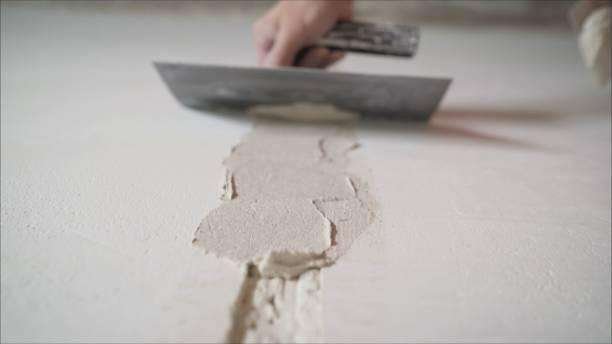
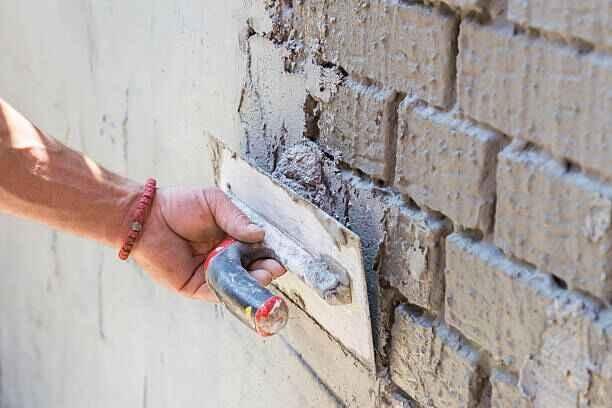
The key signs you need replastering include widening cracks, damp patches, hollow-sounding walls, flaking surfaces, and visible mould. If you spot one or more of these in your Wolverhampton home, acting fast can save you from costly structural repairs further down the line.
Common signs at a glance:
- Spreading or diagonal cracks
- Damp stains or yellow discolouration
- Hollow sound when you tap the wall
- Bubbling, flaking, or peeling paint
- White powdery deposits (efflorescence)
- Persistent mould or mildew
- Plaster is crumbling at the touch
Do you need a full replaster or a simple repair? Contact Besthommes.co.uk for a free inspection in Wolverhampton.
Why Plaster Condition Matters in Wolverhampton Homes
Wolverhampton has a large stock of Victorian and Edwardian terraced houses, many of which were built in the late 1800s and early 1900s. These properties are particularly vulnerable to plaster deterioration caused by age, ground movement, and the damp UK climate.
Plaster is not just decorative. It protects your walls from moisture, provides insulation, and holds the interior structure together. When it starts to fail, problems escalate quickly.
High-quality plaster typically has a lifespan of 20 to 30 years, though environmental factors can significantly shorten it. In older Wolverhampton homes, you may be dealing with plaster that is decades past its best.
Catching the signs early means the difference between a quick skim coat and a full, disruptive replaster. It also means the difference between a £300 patch repair and a £3,000 overhaul.
Repair vs Replaster: What Is the Difference?
Before looking at the signs, it helps to know your options.
Patch repair covers small, isolated damage where the surrounding plaster is solid. It works well for minor cracks or small, damp-damaged areas once the moisture source has been fixed.
Skim coat is a thin finishing layer applied over existing plaster that is structurally sound but visually rough or tired. Skimming is faster and cheaper, but if the wall surface is cracked or uneven, full replastering will produce a longer-lasting result.
Full replaster strips back the old material and starts fresh. This is necessary when plaster has detached from the wall, has widespread damp damage, or has simply reached the end of its life.
12 Signs You Need Replastering: Walls and Ceilings
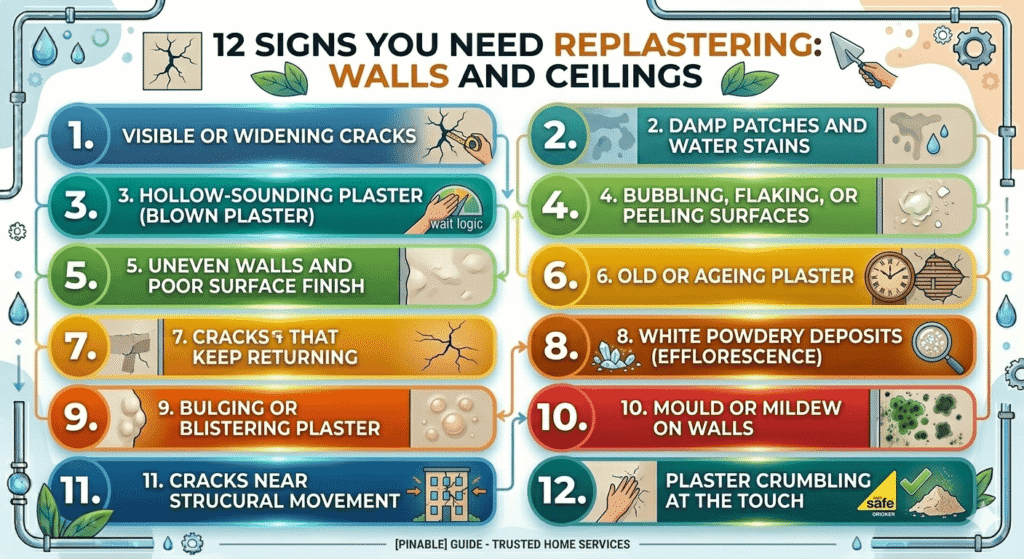
1. Visible or Widening Cracks
Hairline cracks are common in any home. They often appear after a house settles or during seasonal temperature changes. On their own, they may not require replastering.
The real warning signs are:
- Cracks that are spreading or deepening over time
- Diagonal cracks running from the corners of windows or doors
- Stair-step cracks along mortar joints in older brickwork
Diagonal or widening cracks can indicate shifting foundations or settling soil. They will only get worse if ignored.
If you patch a crack and it returns within weeks, this is a strong indicator that the underlying plaster has failed and a full replaster is needed.
2. Damp Patches and Water Stains
Yellow or brown staining on walls or ceilings is a clear sign that moisture has penetrated the plaster. This can come from a leaking pipe, a damaged roof, poor guttering, or rising damp from the ground.
Damp on internal walls is a serious warning sign that often gets overlooked. Yellowish stains, mould patches, or persistent damp areas mean your plaster has become saturated and may no longer function properly.
In Wolverhampton, rising damp is common in pre-1960s terraced homes that lack modern damp-proof courses. Always fix the source of moisture before replastering, or the problem will return.
3. Hollow-Sounding Plaster (Blown Plaster)
This is one of the most reliable tests you can do yourself. Knock gently across different sections of your wall. A solid, dull sound indicates that the plaster is well-bonded. A hollow or drum-like sound means it has detached from the wall behind.
This is called “blown plaster.” It means the bond between plaster and substrate has broken down. The plaster may look intact on the surface, but it is only a matter of time before it cracks, bulges, or falls.
Blown plaster cannot just be painted over. It will keep deteriorating. The affected sections need to be removed, and walls should be replastered to restore a flat, solid finish.
4. Bubbling, Flaking, or Peeling Surfaces
When paint bubbles or peels off your walls repeatedly, it is not a painting problem. It is almost always a plaster problem underneath.
When paint starts bubbling or flaking, it is often due to moisture behind the plaster. This can mean the plaster has lost its bond or there is an active damp issue. Treating it early can save bigger problems later.
Flaking plaster that releases fine powder when touched is also a sign that the material is drying out from the inside, losing its binder, and failing structurally.
5. Uneven Walls and Poor Surface Finish
Sometimes you only notice this when light rakes across the wall at an angle. Shadow lines, lumps, and depressions reveal a wall that has shifted, been poorly repaired, or had decades of layers applied over damaged plaster.
Uneven surfaces make decorating nearly impossible. Paint will highlight every imperfection, and wallpaper will bubble and peel. A full replaster, or at a minimum a skim coat, will resolve this and give you a flat, modern finish, ready for decoration.
6. Old or Ageing Plaster
Many Wolverhampton homes still have original plaster from the 1920s, 1940s, or even earlier. Even if it shows no obvious damage, old plaster eventually loses its mechanical bond with the wall.
Common signs of deteriorating plaster include cracking, loose plaster, staining, crumbling, and mechanical damage. While many problems can be repaired, it is important to hire a specialist experienced with traditional finishes, particularly in period homes.
If your home is over 50 years old and has never been replastered, it is worth having a professional assessment. You may be closer to a failure than the surface suggests.
7. Cracks That Keep Returning
Have you filled the same crack three or four times? If repairs keep reopening, it indicates that the underlying plaster is moving and no longer stable.
Repeat cracking is one of the clearest indicators that a patch repair will not hold over the long term. The only lasting solution is to remove the affected area and replaster properly, addressing the cause of the movement first.
8. White Powdery Deposits (Efflorescence)
A chalky white powder on your walls is called efflorescence. It forms when water moves through masonry and plaster, bringing mineral salts with it. When the water evaporates, the salts crystallise on the surface.
White powdery efflorescence on walls is a sign of moisture issues. It is common in damp areas and can slowly ruin plaster and paint. The fix is to replaster with moisture-resistant materials to protect the walls and prevent recurrence.
In Wolverhampton, this is especially common in basement rooms, the ground-floor walls of older terraces, and in any area prone to ground moisture ingress.
9. Bulging or Blistering Plaster
Large bulges or blisters are a serious warning sign. They mean moisture is trapped behind the plaster, pushing it away from the wall. In some cases, adhesive failure causes whole sections to lift.
Walls that feel weak, have a slight give when pressed, or show patches of plaster coming away from brick or blockwork typically require full or partial replastering.
Do not leave bulging plaster unattended, especially on ceilings. It can collapse without warning and cause injury.
10. Mould or Mildew on Walls
Mould patches are not just a cosmetic issue. According to UK Government guidance on the health risks of damp and mould, prolonged exposure can lead to respiratory infections, skin irritation, and worsened asthma symptoms.
Mould on walls almost always points to damp plaster. Painting over it will not solve the problem. The source of dampness must be identified and treated first. Then the affected plaster should be removed and replaced with moisture-resistant materials.
11. Cracks Near Structural Movement or Subsidence
Cracks that form alongside sloping floors, sticking doors, or warped window frames may indicate subsidence or foundation movement. These go beyond a standard replastering job.
If you suspect structural movement, get a structural engineer to inspect before any plastering work begins. Replastering over an active subsidence problem will not hold.
12. Plaster Crumbling or Powdering at the Touch
Run your hand across the wall. Does the surface feel chalky, soft, or does it leave fine dust on your palm? This is plaster that has chemically broken down and lost its structural integrity.
Crumbling plaster cannot be painted or decorated over with any lasting effect. A full strip and replaster is the only reliable solution.
Repair vs Replaster: A Simple Decision Guide
| Situation | Best Option |
| Small isolated crack, plaster otherwise solid | Patch repair |
| The wall looks rough, but the plaster is sound | Skim coat |
| Hollow sections, widespread cracking | Partial or full replaster |
| Damp damage across multiple walls | Full replaster after damp treatment |
| Plaster crumbling or powdering | Full replaster |
| Recurring cracks after multiple repairs | Full replaster |
The key question to ask is: Is the damage localised? Has the moisture source been fixed? Is the plaster substrate still sound? If any answer is no, lean towards a full replaster.
How Much Does Replastering Cost in Wolverhampton?
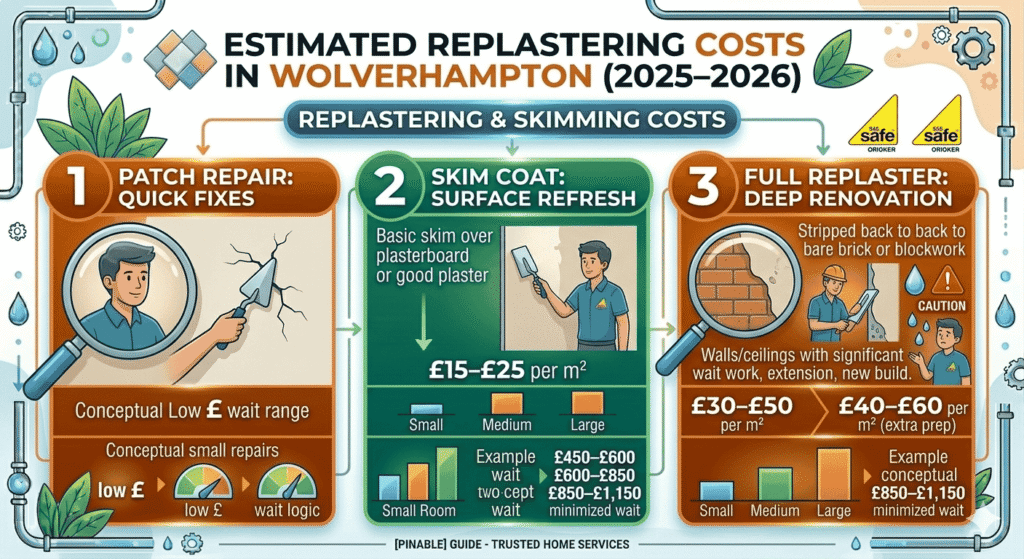
Costs in the West Midlands are generally lower than in London and the South East. Here are the realistic 2025 to 2026 estimates for Wolverhampton:
A basic skim coat over existing plasterboard typically costs £15- £25 per m², while a full two-coat replastering ranges from £30- £50 per m². When walls require extra preparation, such as removing old plaster, the rate can rise to £40-£60 per m².
For complete rooms, a small room typically costs £450 to £600 to plaster, a medium-sized room £600 to £850, and a large room £850 to £1,150.
A standard three-bedroom house often requires between £2,500 and £4,000 for a full replastering job. Costs may rise if old plaster needs to be removed or damp issues need to be resolved first.
Factors that affect your final cost:
- Room size and ceiling height
- Whether damp treatment is required first
- Age and condition of existing plaster
- Type of finish (standard gypsum vs lime plaster for period homes)
- Access and number of rooms
Always get at least three written quotes before proceeding with any work.
Choosing a Plasterer in Wolverhampton: What to Look For
Finding the right plasterer matters. Here is what to check:
- Look for plasterers with verified reviews on platforms like Checkatrade or Rated People
- Ask for a written quote that breaks down labour and materials separately
- Check if they carry public liability insurance
- For Victorian or Edwardian properties, ask if they have experience with lime plaster
- Avoid paying large cash deposits upfront before work begins
Besthommes.co.uk is Wolverhampton’s number-one-rated plastering contractor. With years of local experience across terraced, semi-detached, and period properties, they provide honest assessments, transparent pricing, and a finish that lasts.
Conclusion: Act Early, Save More
Plaster problems rarely fix themselves. What starts as a small crack or a faint damp patch can escalate into blown walls, mould growth, and significant repair bills if left too long.
Wolverhampton’s older housing stock makes regular plaster checks even more important. Whether you live in a Victorian terrace in Penn or a 1960s semi in Tettenhall, these signs apply to your home.
If you have spotted two or more of the signs listed above, it is time to get a professional eye on your walls. A quick inspection now can save you thousands later.
FAQs: Signs You Need Replastering
What are the first signs you need replastering in your home? The earliest signs are hairline cracks that keep reappearing, a hollow sound when you tap the wall, or paint that repeatedly bubbles and peels. These suggest the plaster has lost its bond. Catching these early avoids more extensive and costly work later.
Can I repaint instead of replastering? Repainting can temporarily hide cosmetic issues, but it will not fix structural failure. If your plaster is blown, crumbling, or damp-damaged, paint will not bond properly and will peel again. Replastering gives a lasting result that repainting cannot achieve on a failing surface.
Does replastering fix damp problems? Replastering alone does not fix damp. The moisture source must be identified and treated first, whether that is a leaking roof, a failed damp-proof course, or poor drainage. Once the dampness is resolved, replastering with moisture-resistant materials will properly restore the wall.
How long does replastering take in a standard room? A professional plasterer typically completes a standard bedroom or living room in one to two days. Drying time before decoration is usually five to seven days for new plaster, though this varies depending on room temperature and ventilation.
What is the average cost to replaster a room in Wolverhampton? For a medium-sized room in Wolverhampton, expect to pay between £600 and £900, including labour and materials. A full two-coat replaster on a room with damp damage or old plaster removal will cost more. Always get written quotes from at least two or three local contractors.