
The best kitchen flooring options in Wolverhampton and across the UK are luxury vinyl tile (LVT), porcelain tiles, laminate, engineered wood, and natural stone. Each suits different budgets and lifestyles. For most UK homes, LVT and porcelain tiles lead in durability, water resistance, and low maintenance. Your final choice depends on your budget, whether you have underfloor heating, and the look you want.
Quick comparison at a glance:
| Floor Type | Water Resistance | UFH Compatible | Cost Per m² (Materials) |
| LVT / Vinyl | Fully waterproof | Yes | £20 to £45 |
| Porcelain Tiles | Fully waterproof | Best option | £20 to £40 |
| Laminate | Moderate | Yes (if rated) | £8 to £30 |
| Engineered Wood | Moderate | Yes | £25 to £65 |
| Natural Stone | Good when sealed | Yes | £30 to £80+ |
Ready to upgrade your kitchen floor? Contact a trusted Wolverhampton flooring installer today and get a free quote.
Why Kitchen Flooring Matters More Than You Think
Your kitchen floor takes more daily punishment than almost any other surface in your home. Spills, dropped pots, foot traffic, pet claws, and dragged chair legs all take their toll. A poor choice costs you money and headaches within a few years.
In Wolverhampton homes, the climate adds another layer to consider. Damp conditions from autumn through spring mean moisture resistance is not optional. It is essential.
Getting this decision right means your floor looks great, performs reliably, and adds value to your home. Get it wrong, and you are replacing it sooner than expected.
What to Consider Before Choosing Kitchen Flooring
Before you browse samples or request quotes, ask yourself these questions.
Durability and daily wear. How busy is your kitchen? Families with children or pets need higher wear-rated materials. A couple in a quieter household has more options open to them.
Water resistance. Kitchens deal with spills constantly. You need a floor that handles moisture without warping, swelling, or staining.
Cleaning and maintenance. How much time do you want to spend maintaining your floor? Some materials need regular sealing or special products. Others just need a mop.
Comfort underfoot. If you stand cooking for long periods, hard, cold tiles without underfloor heating can quickly become uncomfortable.
Underfloor heating compatibility. Most floor types can accommodate underfloor heating, provided you consult flooring and system suppliers about insulation and maximum tog values. Tiles, engineered wood, and vinyl work well for both systems.
Budget per square metre. The cost of new flooring in the UK typically ranges from £25 to £160 per square metre installed, depending on the flooring type, product quality, required preparation, and installation method.
Style and design match. Your floor should work with your kitchen units, worktops, and the overall feel of your home.
Top Kitchen Flooring Options Explained
1. Luxury Vinyl Tile (LVT): The Most Popular Choice in 2026
LVT has become the go-to kitchen flooring option for UK homeowners, and it is easy to see why. It combines 100 per cent waterproof performance with realistic wood and stone finishes that look genuinely impressive.
LVT is completely waterproof and perfect for kitchens and bathrooms where real wood would get damaged. The material is softer than ceramic tiles, making it comfortable to stand on.
For Wolverhampton homes, LVT handles the everyday reality of wet footwear from rainy days, cooking spills, and kids running in from the garden with ease.
What makes LVT stand out:
- Fully waterproof surface and core (especially SPC rigid core types)
- Softer and warmer underfoot than tiles
- Wide range of styles, including herringbone, wide plank, and stone effects
- Compatible with underfloor heating systems
Wear layer matters. Investing in a 0.55mm wear layer typically costs an extra £3 to £6 per square metre compared to a 0.3mm domestic-grade wear layer, yet it can double the floor’s lifespan. For a family kitchen, never go below 0.55mm.
Cost guide: Mid-range LVT sits at £25 to £45 per square metre. Most kitchen and hallway projects fall into this category. Premium brands like Amtico and Karndean can reach £50 per square metre or more.
Pros: Fully waterproof, durable, comfortable underfoot, huge design range, and easy to clean.
Cons: Can be scratched by heavy dragging or very sharp objects. Cheaper grades feel hollow underfoot.
2. Porcelain and Ceramic Tiles: The Hardest-Wearing Option
Tiles remain a firm favourite for UK kitchens. They are virtually indestructible when properly fitted and offer the widest design range of any flooring type.
Porcelain and ceramic tiles have a very low tog rating, usually between 0.006 and 0.01. They conduct heat fast, hold it well, and cool down quickly once the system turns off. They are very stable and do not expand or contract greatly with heat changes. This makes them the best performing option for underfloor heating.
Large-format tiles are particularly popular in 2026 for open-plan kitchen-dinners. Fewer grout lines mean a cleaner, more seamless look that suits modern interiors.
Cost guide: Fitting charges for professional tiling run from £25 to £45 per square metre, including adhesive and grout. Large-format tiles cost more to lay. Materials typically add £20-£40 per square metre on top.
Pros: Extremely durable, fully waterproof, superb with underfloor heating, easy to clean, lasting decades with minimal wear.
Cons: Hard and cold underfoot without heating. Professional fitting is essential for a quality result. Grout lines need maintenance over time.
For Wolverhampton homes with underfloor heating already installed, porcelain tiles are genuinely the most efficient long-term choice.
3. Laminate Flooring: The Budget-Friendly Wood Look
Laminate gives you the appearance of real wood at a fraction of the cost. It suits homeowners who want a stylish kitchen floor without stretching the budget.
One important point: not all laminates are the same. For kitchens, you need a product with a good AC rating and sealed edges. For kitchen thresholds and similar risk areas, look for V-groove sealed edges that prevent water ingress.
Laminate ranges from £7 to £13 per square metre installed. Vinyl is more waterproof and better suited to kitchens and bathrooms, while laminate offers good aesthetics and is easier to repair individual planks. For most homes, the choice between them comes down to moisture exposure.
Cost guide: Laminate flooring costs in 2026 range from around £8 to £30 per square metre for materials, and £8 to £15 per square metre for installation labour.
Pros: Very affordable, wide range of wood-effect styles, AC4-rated options handle busy kitchens well, DIY-friendly installation.
Cons: Not fully waterproof. Standing water can cause swelling or edge damage. Not as long-lasting as LVT or tiles in high-moisture zones.
If budget is your main concern and you are careful about mopping up spills quickly, laminate can work well in a kitchen.
4. Engineered Wood: Real Wood Warmth, Better Stability
Engineered wood gives you the look and feel of real timber with far greater dimensional stability. It is constructed in layers, which means it handles the temperature and humidity changes that would cause solid hardwood to warp or gap.
Engineered boards are constructed in layers, which gives them far greater dimensional stability. They work particularly well in living rooms, dining areas, and open-plan spaces where continuity and a premium finish are desired. In 2026, wider, longer planks, along with subtle natural finishes, are especially popular for enhancing a sense of space.
Engineered wood sits at around 0.10 to 0.15 tog, depending on thickness, and feels warmer and softer underfoot than tiles, which suits living areas and open-plan kitchen-diners well.
Cost guide: The average price of engineered wood is between £25 and £65 per square metre. Installation labour adds £8 to £15 per square metre.
Pros: Real wood surface, warm and comfortable underfoot, compatible with underfloor heating, suitable for open-plan kitchen diners, and can be refinished.
Cons: Not fully waterproof. Spills must be wiped up immediately. Requires acclimatisation before fitting. Not ideal for very wet kitchen environments.
5. Natural Stone Flooring: Premium Finish for Premium Kitchens
Marble, slate, limestone, and travertine bring a level of character and luxury that no manufactured material can fully replicate. In the right home, natural stone elevates a kitchen to the next level.
Marble, limestone, slate, travertine, and granite are premium natural materials with unique character. They are extremely long-lasting and provide excellent thermal mass for underfloor heating. However, some types stain easily (particularly limestone and marble) and require sealing. They are heavy, so check your floor structure first.
Sealing is non-negotiable. Unsealed stone absorbs moisture, grease, and food stains quickly in a kitchen environment. Annual resealing keeps natural stone looking its best.
Cost guide: Specialist stone-layer fitting charges range from £30 to £50 per square metre. Materials typically add £30-£80 per square metre, depending on the stone type.
Pros: Unique natural beauty, extremely durable when sealed, excellent thermal mass with underfloor heating, and adds significant property value.
Cons: Most expensive option, requires regular sealing, heavy (structural check needed), some types are porous and prone to staining.
6. SPC and Emerging Floor Types
Stone Plastic Composite (SPC) is the next evolution of LVT. It has a rigid stone-based core that makes it even more dimensionally stable and resistant to subfloor imperfections.
Rigid core SPC floors are 100 per cent waterproof, highly durable, and exceptionally stable. Rigid core constructions offer improved resistance to subfloor imperfections and excellent performance over underfloor heating.
Cork and rubber flooring are also gaining traction among eco-conscious homeowners in 2026. Both offer a softer, quieter underfoot experience and sustainable credentials. They suit lower-traffic kitchens where comfort is a priority.
2026 Kitchen Flooring Cost Guide for UK Homeowners
All prices below are estimates for materials only. Add labour, subfloor preparation, and underlay costs to your budget for the full project.
| Floor Type | Material Cost Per m² | Labour Cost Per m² | Best For |
| LVT (Mid Range) | £25 to £45 | £15 to £25 | Busy family kitchens |
| Porcelain Tiles | £20 to £40 | £25 to £45 | UFH homes, modern kitchens |
| Laminate | £8 to £30 | £8 to £15 | Budget-conscious kitchens |
| Engineered Wood | £25 to £65 | £8 to £15 | Open-plan kitchen diners |
| Natural Stone | £30 to £80+ | £30 to £50 | Premium, traditional kitchens |
| SPC Rigid Core | £25 to £50 | £15 to £25 | Renovation projects |
Do not forget hidden costs. If your old floor is not in good condition, it may need to be removed. Taking up old tiles costs on average between £15 and £20 per hour. Subfloor screeding costs around £14-£21 per square metre. Underlay costs between £4 and £10 per square metre.
Always get at least three quotes from Wolverhampton-based installers before committing. Prices vary between fitters, and the condition of your existing subfloor can significantly change costs.
Design Trends Shaping Kitchen Floors in 2026
Knowing what looks current helps you make a choice you will still love in ten years.
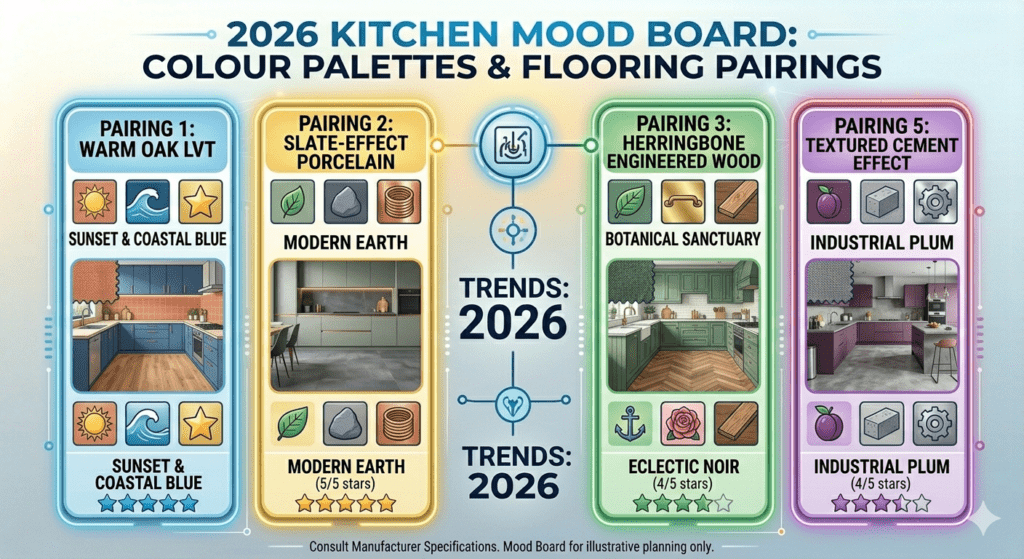
Herringbone and chevron patterns are firmly established as modern classics rather than passing trends. These patterns are being used more strategically. Instead of covering every room, they are often introduced in key areas such as entrance halls and living spaces to add visual interest without overwhelming the home. LVT herringbone is particularly popular in kitchens right now.
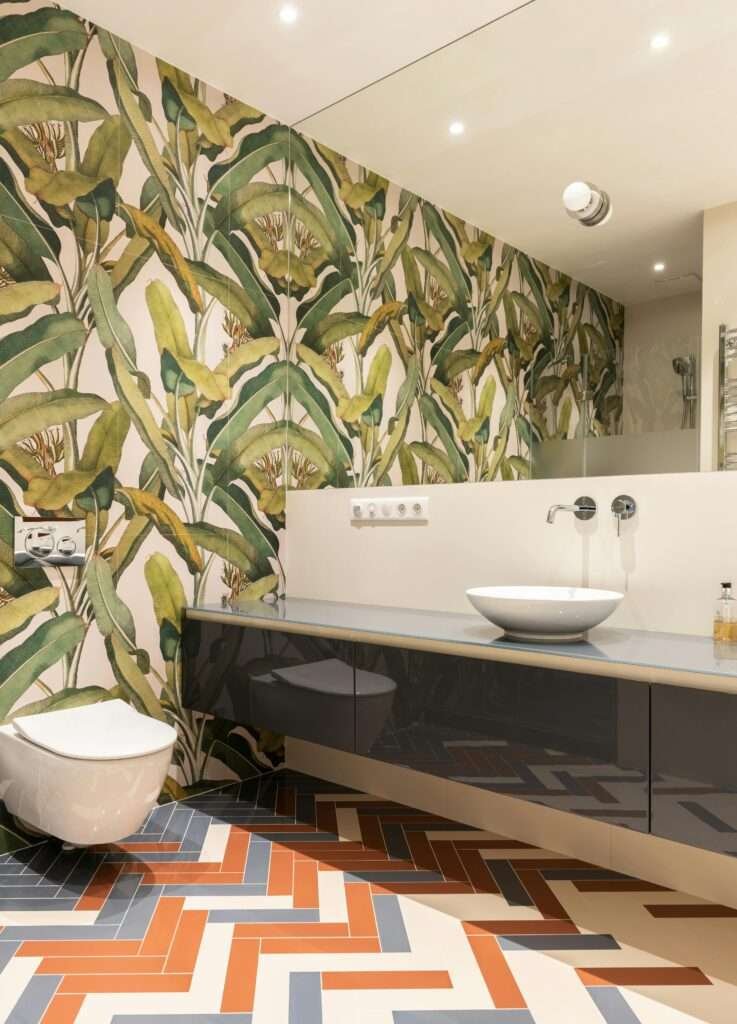
Large-format tiles continue to grow in popularity. Fewer grout lines create a cleaner, more spacious look that suits open-plan kitchen diners perfectly.
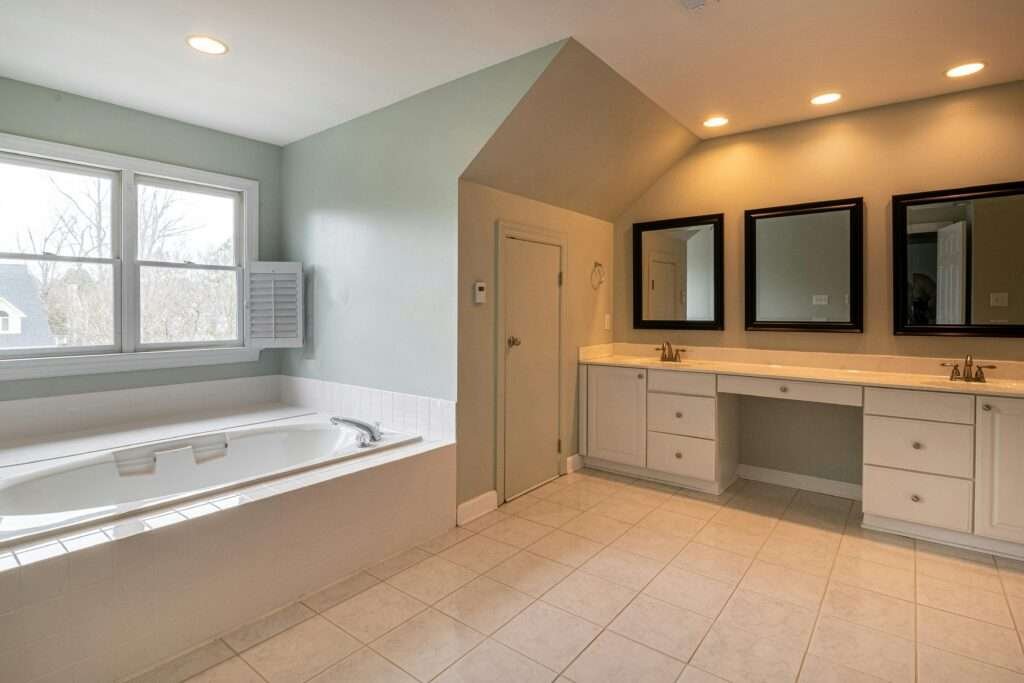
Wood-effect and stone-effect finishes dominate LVT sales. In 2026, homeowners are choosing neutral wood tones such as light oak, ash, and honey walnut to create bright, spacious interiors while retaining warmth.
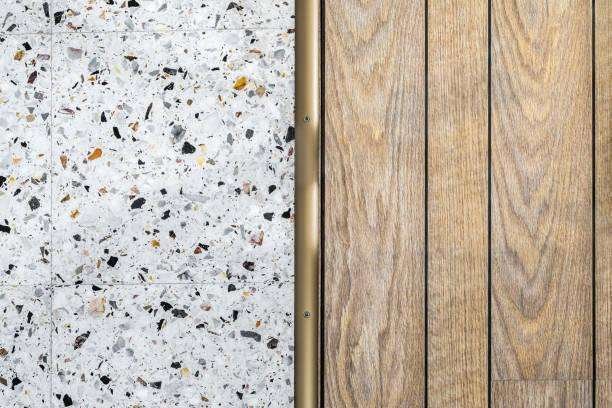
Seamless transitions. Instead of using door bars between the kitchen and living area, the move in 2026 is toward seamless transitions using a consistent material throughout the ground floor, but changing the pattern to zone the space without adding a physical barrier.
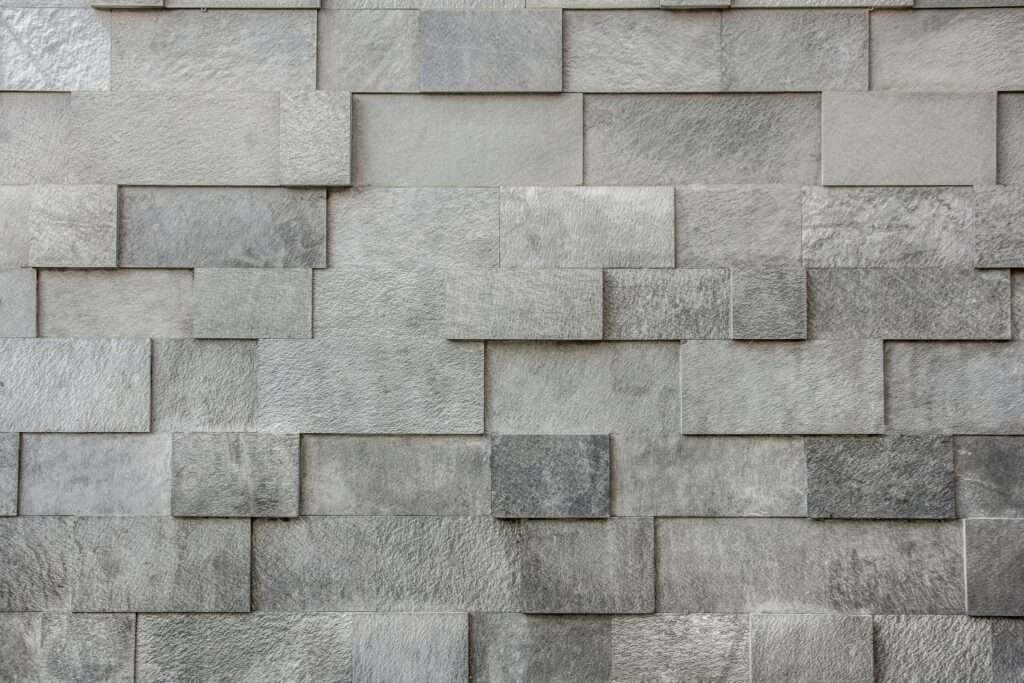
Embossed in Register (EIR) finishes are a growing technical trend. This technology matches the surface texture exactly to the wood grain or stone visual, giving LVT and laminate a genuinely tactile quality that older formats could not achieve.
Underfloor Heating and Kitchen Flooring: What You Need to Know
Underfloor heating (UFH) is becoming increasingly common in Wolverhampton homes and across the UK. Choosing the right floor for it is critical.
UFH turns your entire floor into a large, gentle, radiant heat source. When compared to traditional radiators, UFH systems can reduce heating costs by 15-40 per cent with the right flooring choice.
Here is how each floor type performs with UFH:
Porcelain tiles are the gold standard. Their very low tog rating means heat transfers quickly and efficiently. They are also fully stable under repeated heating and cooling cycles.
LVT works very well. LVT is highly compatible with both electric and water-based underfloor heating systems. Its thin profile of typically 4 to 8mm allows for excellent thermal conductivity, heating your room faster than thick wood. It is vital to ensure the floor temperature does not exceed 27 degrees Celsius.
Engineered wood is compatible but requires care. Correct fitting and acclimatisation matter. The maximum surface temperature must be observed to prevent movement.
Laminate can work if specifically rated for UFH. Laminate flooring, when marked as suitable for underfloor heating, offers an affordable option, but always check the manufacturer’s guidelines on installation temperature and warranty.
Natural stone performs similarly to tiles. It conducts heat very well and holds it for a long time. Sealing remains essential.
Installation Tips and Mistakes to Avoid
Badly fitted flooring will disappoint you. These are the most common issues UK homeowners face.
- Skipping subfloor preparation. This is the most expensive mistake. LVT in particular demands a perfectly flat subfloor. Any lumps or dips will telegraph through over time. Budget for levelling if your existing subfloor is not up to standard.
- Not allowing for acclimatisation. Wood-based products need to sit in your home for at least 48 hours before fitting. This prevents expansion and contraction after installation.
- Ignoring expansion gaps. Every hard floor needs room to move slightly with temperature changes. Fitting too tightly to the walls causes buckling.
- Choosing the wrong grout. For tiled kitchens, standard grout stains and deteriorates. Epoxy grout is stain-resistant and far better for kitchens. It costs an additional £2 to £4 per square metre but is worth it in the long run.
- Matching transitions in open-plan spaces. If your kitchen flows into a dining or living area, plan your flooring transitions carefully. Seamless runs of the same material look far better than mismatched joins with threshold bars.
- Not checking UFH compatibility before buying. Always confirm your chosen flooring is rated for use with your heating system before ordering. This simple step prevents expensive mistakes.
Get Your Kitchen Floor Quote Today
Choosing your floor is the fun part. Getting it fitted well is what makes it last. Wolverhampton homeowners can access experienced local fitters who understand UK building standards and what works in real family homes.
Get a free kitchen flooring quote from a trusted Wolverhampton installer at BestHommes.co.uk.
Frequently Asked Questions
What is the most waterproof kitchen flooring option in the UK?
LVT and SPC rigid core vinyl are fully waterproof kitchen flooring options. Porcelain tiles are also fully waterproof when properly grouted. Both handle spills, steam, and humidity without damage. LVT offers the additional benefit of being softer underfoot, making it a popular choice for busy family kitchens across the UK.
Can engineered wood be used in a kitchen?
Yes, engineered wood works well in kitchens, especially in open-plan kitchen-dinners. It is more moisture-stable than solid hardwood due to its layered construction. However, you must wipe up spills immediately and avoid prolonged exposure to standing water. It performs best in lower-moisture kitchen environments and pairs well with underfloor heating.
What kitchen flooring works best with underfloor heating?
Porcelain tiles are the best option for underfloor heating because they have an extremely low tog rating and conduct heat efficiently. LVT is the second-best choice and also highly compatible. Engineered wood works with care. Always check manufacturer guidance on maximum surface temperatures before fitting any floor over a UFH system.
How much does kitchen flooring installation cost in Wolverhampton?
Kitchen flooring installation costs in Wolverhampton vary depending on the material. LVT fitting typically costs £15 to £25 per square metre for labour. Tile installation runs from £25 to £45 per square metre, including adhesive and grout. Always budget for subfloor preparation, which can add £10-£20 per square metre, depending on the existing subfloor condition.
Is laminate flooring suitable for kitchens in the UK?
Laminate can work in kitchens when you choose a product with an AC4 durability rating and sealed V-groove edges that resist moisture ingress. Standard laminate is not waterproof and can swell if water is left standing on it. For higher moisture kitchens or homes with children and pets, LVT or porcelain tiles are more reliable long-term choices.


