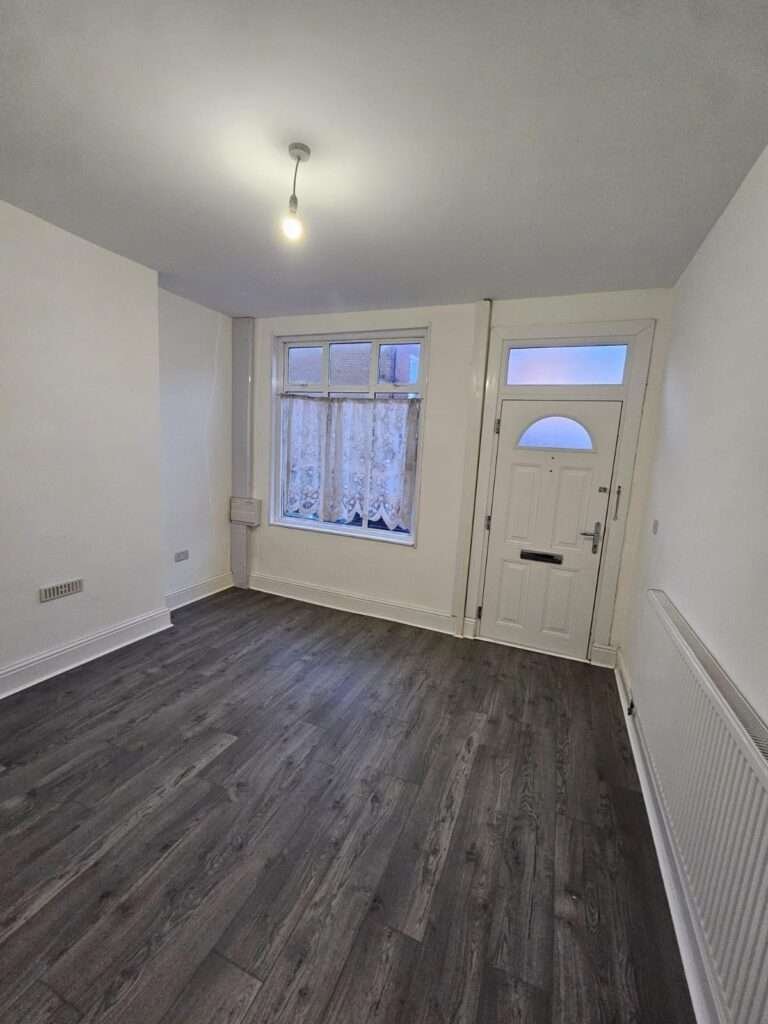
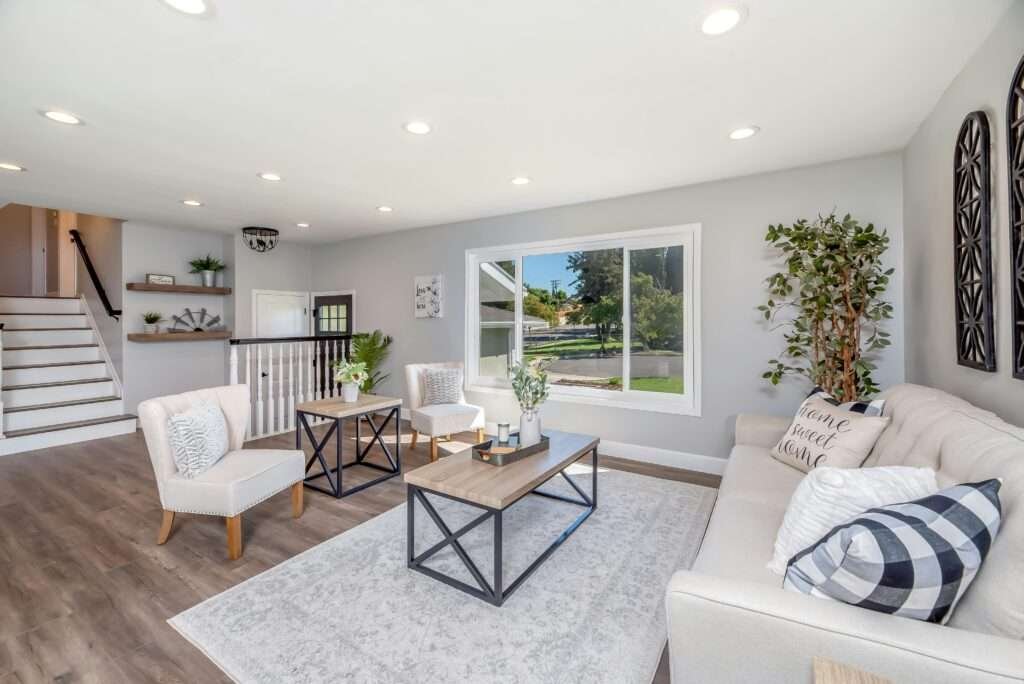
The flooring installation process covers everything from initial site inspection and subfloor preparation to underlay fitting, flooring placement, and finishing. For Wolverhampton homes, which often feature older concrete bases or suspended timber subfloors, getting each step right is what separates a floor that lasts 20 years from one that fails in 20 months.
Whether you are fitting laminate, vinyl, or hardwood, here is exactly what the process involves.
Ready to get started? Request a free flooring consultation today and speak to a local expert who knows Wolverhampton homes inside out.
What Is the Flooring Installation Process?
The flooring installation process is a series of planned steps carried out before, during, and after new flooring is laid. Done correctly, it results in a flat, stable, long-lasting surface. Done poorly, it leads to gaps, creaking, and costly repairs within months.
Here is the process at a glance:
- Site inspection and measurement
- Material selection
- Subfloor preparation
- Moisture barrier and underlay installation
- Flooring installation
- Cutting, fitting, and alignment
- Finishing touches
- Final inspection and cleanup
Step-by-Step Flooring Installation Process
1. Initial Site Inspection and Measurement
Every professional flooring job starts here. A fitter will visit your home, measure each room, and assess the current state of the floor.
They look for:
- Accurate room dimensions (including alcoves and bay windows)
- Existing floor type (concrete slab, chipboard, suspended timber)
- Any visible damage, rot, or movement in the current subfloor
In Wolverhampton, many homes are Victorian terraces or 1930s semi-detached properties. These often have suspended timber floors downstairs, which behave differently from modern concrete slabs. An experienced fitter will spot this immediately and plan accordingly.
Getting the measurement right at this stage also prevents material waste. Most professionals add 10 to 15 percent extra when ordering, to account for cuts and offcuts.
2. Choosing the Right Flooring Material
Your choice of flooring affects how long the installation takes, how much it costs, and how well it performs in your specific space.
Here is a quick comparison for UK homes:
| Flooring Type | Best For | Cost (Supply + Fit, per m²) | Durability |
| Laminate | Living rooms, bedrooms | Around £60 | 10 to 15 years |
| LVT / Vinyl | Kitchens, hallways, bathrooms | £20 to £60+ | 15 to 20 years |
| Engineered Wood | Living rooms, dining rooms | £60 to £100+ | 20 to 30 years |
| Solid Hardwood | Period properties, high-end finishes | £80+ | 40+ years |
Source: MyBuilder and FlooringAround, 2026
By 2026, LVT will have effectively replaced laminate as the go-to choice for modern UK renovations. It works well in damp-prone areas, which is especially relevant for Wolverhampton kitchens and hallways, where moisture can be a real concern during wet winters.
If you are installing over underfloor heating, engineered wood works well with water-based underfloor heating, but you may need specific board thicknesses and installation methods.
3. Subfloor Preparation (The Most Critical Step)
This is where most flooring failures begin. Skipping or rushing subfloor preparation leads to every major problem you see in failed floors: squeaking, lifting, gaps, and uneven surfaces.
What subfloor preparation involves:
- Removing old flooring and adhesive residue
- Checking for structural damage, rot, or loose boards
- Leveling the surface using self-leveling compound or screed
Subfloors must be flat to within a maximum of 3mm under a 22-meter straight edge. If yours is not, leveling compound must be applied before any flooring goes down.
Floor leveling with screed costs around £15 per m², which adds to your overall budget but is non-negotiable for a long-lasting result.
British Standard BS 8203 governs flooring installation practices in the UK and requires site surveys to identify subfloor issues before installation begins, including levelness assessment and contamination checks.
4. Moisture Testing
Inexperienced fitters often skip this step. In Wolverhampton, older properties are particularly prone to rising damp, especially those with solid concrete ground floors and no damp-proof membrane installed below the floor.
Moisture content above 75% relative humidity will almost certainly result in flooring failure. The options are to allow the subfloor to dry further or to apply a surface damp-proof membrane, depending on the moisture reading.
British Standard BS 8201:2011 recommends using relative humidity testing of concrete subfloors. The target moisture content of a wood subfloor should not exceed 12%.
If excess moisture is detected, a liquid damp-proof membrane is applied and allowed to cure before any flooring work continues.
5. Moisture Barrier and Underlay Installation
Once the subfloor passes moisture testing, the underlay is fitted. This layer is thin but essential. It provides:
- Thermal insulation underfoot
- Sound dampening (important in Wolverhampton terraced houses with shared walls)
- A cushioned base that reduces joint stress on the flooring above
The average cost of underlay is about £7.50 per m². Foam underlay suits most laminate installations. Rubber underlay is better for soundproofing. If you have underfloor heating, use a low-tog underlay recommended by your fitter.
Always check that your underlay choice complies with Part E of UK Building Regulations, which covers sound transmission between floors in multi-occupancy homes.
6. Flooring Installation (The Core Step)
Now the actual floor goes down. The method used depends on the material chosen.
Click system (floating floor): Used for laminate and most LVT. Planks click together and float over the underlay without being fixed to the subfloor—fastest method. A skilled fitter can complete a 25m² room in a single day.
Glue-down method: Used for LVT dry-back planks and some engineered wood. Glue-down requires a perfectly flat subfloor and specialist pressure-sensitive adhesive, making it better suited to professional installation, as adhesive mistakes are costly to fix.
Nail-down method: Used for solid hardwood on timber subfloors. Requires specialist tools and is the most time-consuming method.
Planks should always be staggered, with joints running in different positions row by row. This creates a stronger, more natural appearance and prevents weak points along a single line.
7. Cutting, Fitting, and Alignment
This is where a professional earns their fee. Getting neat cuts around door frames, radiator pipes, hearths, and corners takes skill and patience.
Key things done at this stage:
- Expansion gaps left around the perimeter (typically 8 to 12mm) to allow the floor to move with seasonal temperature changes
- Undercuts made to door frames so planks slide underneath cleanly
- Careful fitting around awkward shapes and obstacles
Ignoring floor tolerances and failing to leave adequate expansion gaps creates uneven pressure points. Over time, this leads to flexing, hollow sounds, joint stress, and creaking.
8. Finishing Touches
Once the floor is laid, the fitter completes the job with:
- Trims and beading: Cover the expansion gap around the edges
- Door bar trims: Bridge the join between your new floor and adjacent rooms
- Skirting boards: Replaced or re-fitted if removed during installation. Replacing or fitting new skirting boards costs around £22 per meter on average.
- Door trimming: If your new floor sits higher than the old one, doors may need to be planed or trimmed. This typically costs around £30 per door.
9. Final Inspection and Cleanup
A professional fitter will do a thorough walkthrough once the job is complete. They check for:
- Visible gaps or lifted edges
- Hollow sections that indicate an unbonded area underneath
- Any debris or adhesive marks on the surface
Waste materials are removed, and the new floor is swept clean. You should receive information on how to care for your specific type of flooring to protect it in the long term.
Flooring Installation Timeline: How Long Does It Take?
Timelines vary based on material and room size. Here is a realistic guide for a typical Wolverhampton home:
| Flooring Type | One Room | Full 3-Bed House |
| LVT / Vinyl | 1 day | 3 to 4 days |
| Laminate | 1 to 2 days | 4 to 5 days |
| Engineered Wood | 1 to 2 days | 5 to 7 days |
| Solid Hardwood | 3 to 5 days (+ 5 to 7 days acclimation) | Up to 2 weeks |
If you are replacing all the floors in your home, you can expect the installation process to take about two weeks.
Subfloor repair adds extra time to any job. Unexpected subfloor complications can add 1 to 2 days to the installation timeline.
Tools and Materials Required for Flooring Installation
A professional fitter arrives with the right tools for the job. If you are comparing quotes or planning, here is what is typically involved:
Tools:
- Tape measure and chalk line
- Jigsaw and miter saw for accurate cuts
- Rubber mallet and pull bar for click systems
- Flooring spacers for expansion gaps
- Moisture meter for subfloor testing
- Notched trowel for adhesive application
Materials:
- Flooring boards or planks
- Underlay (foam, rubber, or acoustic, depending on use)
- Adhesive or bonding agent (glue-down only)
- Self-leveling compound (if needed)
- Damp-proof membrane (if moisture is present)
- Trims, beading, and skirting
Common Flooring Installation Mistakes to Avoid
These mistakes account for the vast majority of flooring failures in UK homes.
Skipping subfloor preparation. The most common and costly error. Laying flooring over an uneven or damp subfloor leads to lifting, creaking, and early failure.
No expansion gap. All hard floors expand in warm weather and contract in cold weather. Without a perimeter gap, your floor will buckle. This is especially relevant in older Wolverhampton homes with uneven wall lines.
Wrong underlay choice. Not all underlays suit all situations. Using the wrong type of underfloor heating in high-moisture areas can cause expensive-to-fix problems.
Poor moisture control. When moisture levels in the subfloor or timber are not measured and recorded, there is no baseline. If problems appear later, warranties are often void, and responsibility becomes difficult to prove.
Failing to acclimate materials. Wood-based floors need time to adjust to your home’s temperature and humidity before fitting. Skipping this step causes warping after installation.
The most common flooring installation mistake is inadequate subfloor preparation. It causes uneven surfaces, joint stress, and long-term structural damage that no amount of finishing can fix.
DIY vs Professional Flooring Installation in Wolverhampton
| Factor | DIY | Professional |
| Cost | Lower upfront | Higher, but protected |
| Speed | Slower | Faster |
| Warranty | Void on many products | Retained |
| Subfloor expertise | Limited | Full assessment |
| Risk of mistakes | High | Low |
DIY fitting can save money on labor, but it comes with real risk. DIY installation can save on labor costs, but you need the tools, time, and precision to achieve a high-quality, long-lasting finish.
For most Wolverhampton homeowners, professional installation is the better investment. A local fitter understands the property types in this area, knows how to handle older subfloors, and ensures your manufacturer’s warranty stays valid.
Get in touch with our Wolverhampton flooring team for an honest quote and a proper site assessment before any work begins.
Cost of Flooring Installation in Wolverhampton (2026 Guide)
Professional flooring installers in the UK charge between £150 and £300 per day, or £25 and £40 per hour.
Here is a breakdown by material for a mid-sized room (approximately 20m²):
| Flooring Type | Materials per m² | Labour per m² | Estimated Room Total |
| Laminate | £3 to £8 | £15 to £40 | £360 to £960 |
| LVT | £10 to £25 | £15 to £40 | £500 to £1,300 |
| Engineered Wood | £20 to £50 | £15 to £25 | £700 to £1,500 |
| Solid Hardwood | £50+ | £25 to £40 | £1,500+ |
Source: MyBuilder, Checkatrade, 2026
Regional variations are significant. London costs 20 to 25% more than northern areas. Wolverhampton sits in the West Midlands, so labor costs are generally lower than in London and the South East, which is good news for local homeowners.
Additional costs to budget for:
- Underlay: around £7.50 per m²
- Floor leveling screed: around £15 per m²
- Carpet or old flooring removal: around £7 per m²
- Door trimming: around £30 per door
- New skirting boards: around £22 per meter
Best Flooring Types for Wolverhampton Homes
Wolverhampton’s climate is typically damp for much of the year, and the city’s housing stock ranges from Victorian terraces to modern new builds. That combination shapes which flooring materials perform best here.
LVT (Luxury Vinyl Tile): The top recommendation for Wolverhampton kitchens and hallways. Fully waterproof, easy to clean, and available in designs that mimic wood or stone. Handles damp conditions far better than real wood.
Laminate: A strong budget option for bedrooms and living rooms. Keep it away from areas prone to splashing or humidity. Modern AC4- and AC5-rated boards offer good durability.
Engineered Wood: Best for Wolverhampton period properties where homeowners want the warmth of real wood but need something more stable in variable conditions. More resistant to moisture movement than solid wood.
Solid Hardwood: Best reserved for rooms with stable temperature and humidity, or for homes with properly managed underfloor heating. A long-term investment that adds real property value.
Carpet: Still popular in bedrooms and lounges. Fastest to install and warm underfoot, which makes it appealing in older properties with draughty floors.
Why Subfloor Preparation Is the Foundation of Long-Lasting Floors
It is worth spending more time on this point because it is where most flooring failures start.
Wolverhampton has a significant number of pre-1960 properties. Many of these have concrete ground floors that were never designed with modern flooring in mind. They may have:
- No damp-proof membrane below the slab
- Uneven surfaces from decades of movement and settlement
- Old adhesive or debris from previous flooring jobs
Inadequate damp-proofing leads to adhesive failure and lifting of the flooring. Poor joint sealing in wet areas allows water to penetrate, creating slip hazards.
A professional will test, level, prime, and prepare the subfloor correctly before a single plank goes down. This preparation phase can feel slow and expensive, but it is the most valuable part of the whole job.
Final Thoughts: Getting the Flooring Installation Right in Wolverhampton
The flooring installation process is more involved than most homeowners expect. The materials you see are only part of what makes a great floor. What lies beneath, how well it was prepared, and how carefully each step was followed, determine whether your floor lasts a decade or a generation.
For Wolverhampton homes specifically, working with a local professional who understands older property types, local building standards, and the challenges of the West Midlands climate makes a genuine difference.
Do not rush the process. Do not skip the subfloor. And do not accept a quote that does not include a proper site visit before any work begins.
Contact our Wolverhampton flooring specialists today for a free consultation, honest advice, and a transparent quote with no hidden costs.
FAQs About the Flooring Installation Process
How is flooring installed step by step?
Professional flooring installation follows a clear order. The fitter starts with a site inspection and measurement, then prepares the subfloor by leveling and moisture testing. Next, the underlay is fitted, followed by the flooring itself using click, glue-down, or nail-down methods. The job finishes with trims, skirting, and a final quality check.
How long does flooring installation take in Wolverhampton?
For a single room with laminate or LVT, expect one to two days, including preparation. A full three-bedroom house typically takes four to seven working days, depending on the flooring type and subfloor condition. Solid hardwood takes longer due to the acclimation period required before fitting.
Can flooring be installed over existing floors?
In some cases, yes. LVT and laminate can be laid over existing hard floors if the surface is flat, dry, and in good condition. However, adding height can cause issues with door clearance and transitions. A professional site assessment will confirm whether this is a viable option for your home.
How much does flooring installation cost in Wolverhampton?
Costs vary by material and room size. As a guide, expect to pay around £60 per m² for laminate supply and installation, and up to £100 per m² for engineered wood. Labor rates in the West Midlands are generally lower than in London, making Wolverhampton a more affordable area for flooring work.
Do I need an underlay for laminate or LVT flooring?
Yes for laminate, always. It cushions the floor, improves insulation, and reduces noise. For LVT, it depends on the product. Glue-down LVT requires no underlay, but click-lock LVT usually benefits from a thin acoustic underlay. Always check the manufacturer’s guidance, as using the wrong underlay can void the product warranty.